

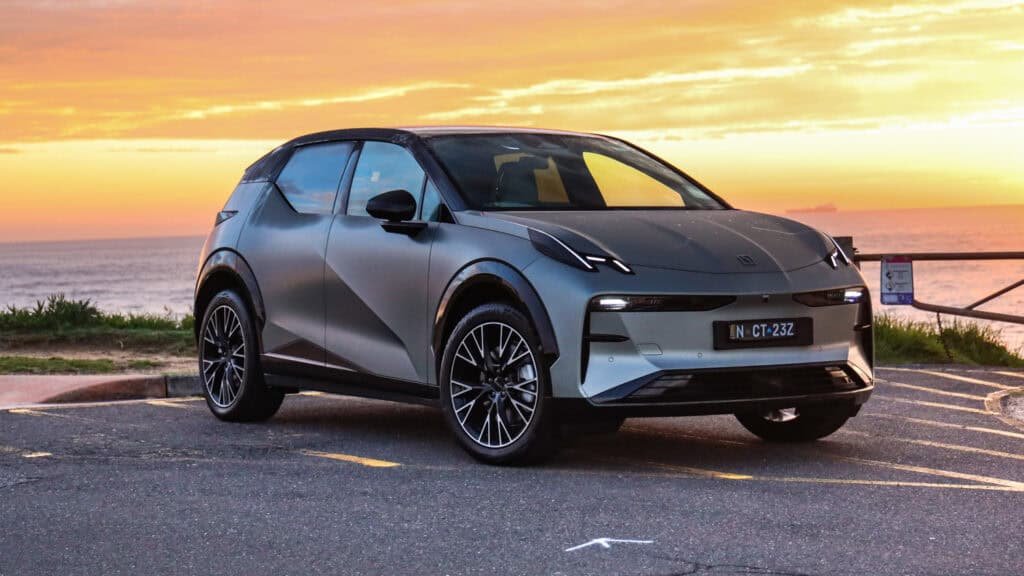
2026 Zeekr X Review: A Sharper, Better Value Compact EV
The MY26 updates transform the Zeekr X into a genuinely desirable premium EV.
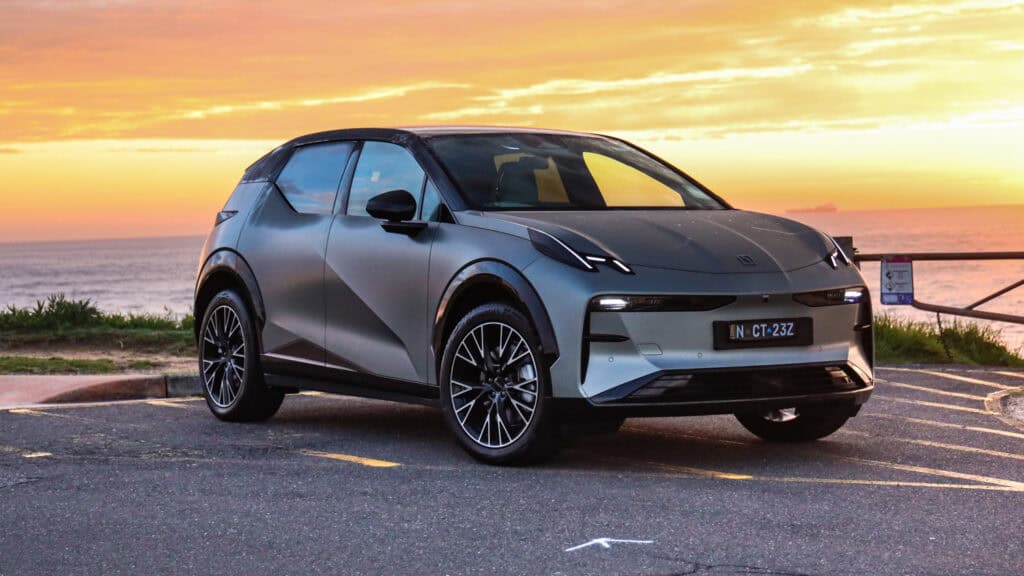
2026 Zeekr X AWD exterior three-quarter in matte khaki green
Price
$57,900
0-100 km/h
3.7 s
Battery
66 kWh (NMC)
Power
365 kW
⚡ Quick Verdict
The 2026 update fixes what was broken and sharpens what was already good. With prices starting at $48,900 drive-away, the Zeekr X now combines proper performance, a polished ride, and a genuinely premium cabin. The AWD’s 3.7-second sprint is wild, and the RWD’s 230kW charging is a game-changer for the segment. It’s moved from a stylish oddball to a car we’d seriously recommend.
## What’s New for MY26
This isn’t just a facelift; it’s a fundamental reworking. The headline act is a price drop of up to $10,000, which changes the conversation entirely. The rear-driver now starts at $48,900 DA, and the all-wheel drive model sits at $57,900 DA. That makes them proper competitors in a crowded field.
✓ The Good
- +Significant price cuts and boosted equipment enhance value
- +Dramatically improved ride quality and cabin refinement
- +Blistering 3.7-second 0-100 km/h performance in AWD form
- +High-quality, characterful interior with premium tech
- +Rapid DC charging, especially for the RWD model
✗ The Trade-offs
- −Infotainment system exhibited lag on our test car
- −Climate control struggles in extreme Australian heat
- −Some frustrating and overly sensitive driver-assistance systems
- −Loss of some quirky, unique interior design elements
📑 In This Review
The 2026 update fixes what was broken and sharpens what was already good. With prices starting at $48,900 drive-away, the Zeekr X now combines proper performance, a polished ride, and a genuinely premium cabin. The AWD’s 3.7-second sprint is wild, and the RWD’s 230kW charging is a game-changer for the segment. It’s moved from a stylish oddball to a car we’d seriously recommend.
What’s New for MY26
This isn’t just a facelift; it’s a fundamental reworking. The headline act is a price drop of up to $10,000, which changes the conversation entirely. The rear-driver now starts at $48,900 DA, and the all-wheel drive model sits at $57,900 DA. That makes them proper competitors in a crowded field.
Both powertrains get a solid kick up the backside. The RWD now pushes 250 kW and 373 Nm, slicing its 0-100 time to 5.6 seconds. The AWD’s dual motors are now good for 365 kW and 573 Nm, translating to that explosive 3.7-second dash. The tech shift to oil-cooling for the rear motor helped unlock that extra shove.
Battery tech now differs by model. The RWD gets a new 61 kWh LFP "Golden Battery" with a 405 km WLTP range. Its party trick is a 230 kW DC charging peak—10 to 80 percent in about 18 minutes is seriously quick. The AWD keeps its 66 kWh NMC pack, offering 415 km and a 150 kW DC peak for a 10-80% time of roughly half an hour. AC charging is better across the board, with the RWD now at 11 kW and the AWD at a class-leading 22 kW.
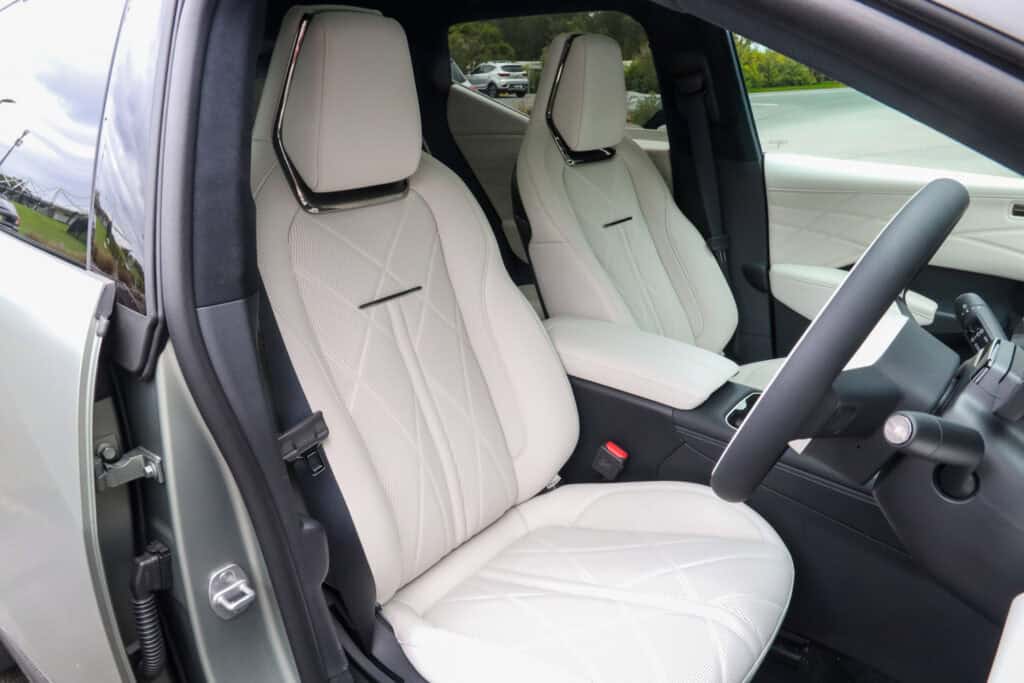
Inside, the changes are extensive. You can now get a white-on-white interior, the cracking 13-speaker Yamaha stereo is standard, and equipment like heated and ventilated front seats is now fitted to both. The AWD exclusively adds massaging seats and a centre console that chills to -6°C or heats to 58°C. A new 50W cooled wireless charger and haptic steering wheel buttons are useful. We do miss some of the original’s quirky charm, though—it’s traded a bit of personality for a more polished, European feel.
Design and Exterior
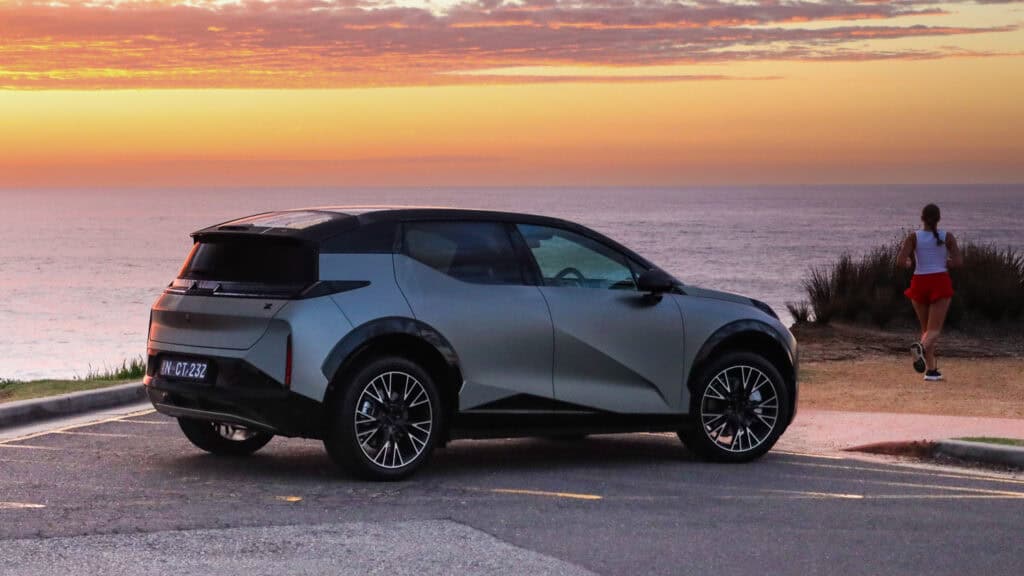
The design was already a head-turner, and the MY26 tweaks just sharpen it up. The big news is a matte khaki green colour, exclusive to the AWD model, which looks a million bucks, especially paired with the standard 20-inch forged alloys. Our test car had the optional flush electric doors (borrowed from the Zeekr 7X) for a perfectly smooth side profile. They’re cool, but we’d question if they’re worth the extra cost and complexity.
The compact 4.4-metre length stays, but that 100mm wheelbase advantage over its Volvo XC40 cousin still pays dividends for interior space and stance. The clever B-pillar with its little animated character and the welcome lighting sequence are still there—nice touches that give the car its own personality.
Interior, Tech and Comfort
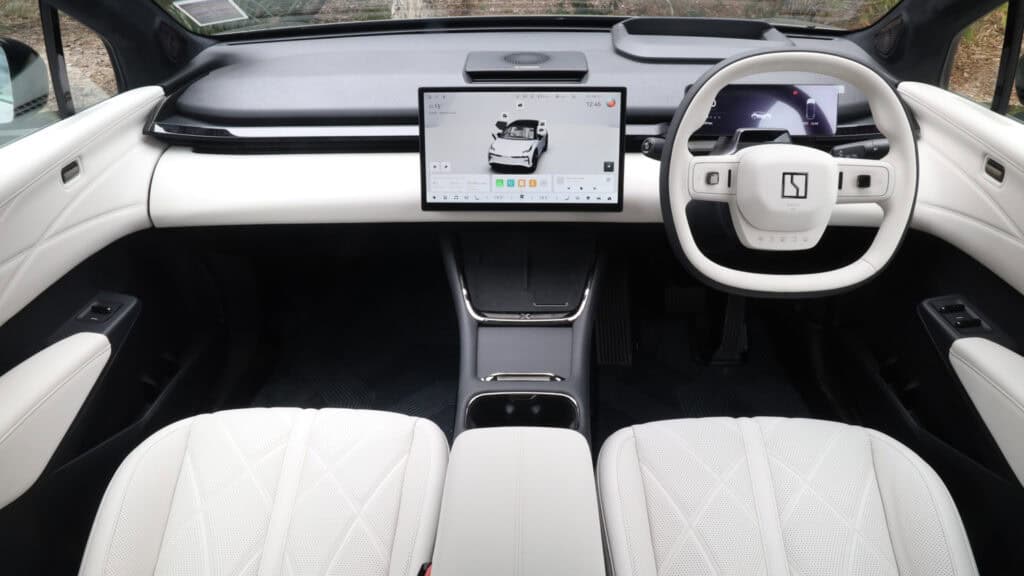
Inside, the cabin’s had a serious glow-up. Our AWD test car’s white-on-white theme, with its new quilting, looks and feels a step up in luxury. The fluffy "cat headlining" is now black, and the hotel-stripe carpet is still a fun touch. Material quality is strong for the price, with soft-touch plastics and some convincing shadow chrome trim replacing the old rose-gold.
Tech centres on a 14.6-inch touchscreen with a Snapdragon 8155 chip. The layout is sensible, but our car had noticeable lag, which got annoying. The standard Yamaha audio system is a standout—properly crisp and immersive. The new 50W cooled dual wireless charging pad is a win, though the redesigned cup holders are a bit small.
Comfort is where the biggest gains are made. Both models now get heated and ventilated front seats, heated rear seats, and a heated wheel. The AWD adds massaging fronts and that clever fridge/freezer in the centre console. The increased privacy glass tinting makes the cabin feel more premium, especially in the back, where legroom is still generous. The elephant in the room remains the air-con, which still struggles when the mercury really climbs.
Driving Experience and Performance
This is where the Zeekr X comes good. Zeekr won’t say exactly what they did to the suspension, but the result is night and day. The crashiness and road noise that plagued the old model are gone. Even on 20-inch wheels, the ride is now composed and comfortable, striking a better balance than its firmer Volvo sibling. It’s a car you can live with daily.
The performance in the AWD is just savage. With 365 kW and 573 Nm, that 3.7-second claim feels utterly real. The acceleration is instant and relentless. The rear-biased AWD system gives it a sense of fun, and it feels planted through bends. The steering is sharp off-centre, but it goes a bit numb around the straight-ahead, which takes the edge off engagement.
A couple of quirks remain. The regen braking sometimes drops out under hard acceleration, so you don’t get the expected engine braking straight away. Also, the driver-attention monitor is way too sensitive, often shouting at you during brisk cornering. Refinement is otherwise much better—the cabin is quieter and more relaxed.
Range, Battery and Charging
You’ve got two distinct flavours here. The RWD’s new 61 kWh LFP battery claims 405 km. Its headline is that 230 kW DC charging—10-80% in roughly 18 minutes is outstanding. The AWD’s 66 kWh NMC battery offers 415 km, but its DC charging peaks at 150 kW, meaning about 30 minutes for the same top-up.
In our mixed real-world testing of the AWD, we saw 19.1 kWh/100 km. That works out to a very usable real-world range of about 346 km. It’s not a range champion, but the AWD’s 22 kW AC charging is a massive plus if you’ve got the right wallbox or destination charger.
Practicality and Boot Space
Practicality has seen a genuine boost. The boot’s grown by over 60 litres to a now-competitive 404 litres, thanks to some clever repackaging of the motor and underfloor storage. That makes weekend trips for two far less of a puzzle.
That extra wheelbase length continues to pay off in the rear, where legroom is properly generous for a small SUV. Cabin storage is fine, with great door bins, but the centre console has ditched its old open-floor design and quirky bag hook for something more conventional.
Safety and Driver Assistance
It keeps its 5-star ANCAP rating, with a full suite of gear including AEB, lane-keep assist, and adaptive cruise control, backed by a sharp 360-degree camera.
The calibration of some systems is our main bugbear. The speed-sign warning, which you can’t permanently switch off, chimes at just 1km/h over. It doesn’t understand variable zones and becomes a constant irritation. That overly sensitive driver-attention monitor we mentioned doesn’t help matters either.
Zeekr X vs BYD Atto 3: Which Is Better?
The BYD Atto 3 is the value king, so it’s the Zeekr’s natural rival. Starting at around $39,990 for the Essential, it’s cheaper to get into. But the Zeekr X’s $48,900 entry point gets you a heap more power, and the gap widens at the top end.
Performance is where they’re worlds apart. The Atto 3’s 150 kW motor does the job with a 7.3-second 0-100. The Zeekr X AWD, with its 365 kW, absolutely demolishes that with a 3.7-second time. It’s hot hatch pace versus city SUV. The Zeekr also rides on the more sophisticated Geely SEA platform, shared with the Volvo, which gives it a more refined, premium feel.
Charging is another big win for the Zeekr. The RWD’s 230 kW DC peak makes the Atto 3’s 88-100 kW look slow, saving serious time on trips. The Atto 3 fights back with range; its updated EVO model can do up to 470 km WLTP, beating the Zeekr’s 405-415 km claims. Inside, the Atto 3 is quirky with its guitar-string door cards, but the Zeekr counters with a more conventionally premium cabin, better audio, and luxuries like massaging seats.
| Specification | Zeekr X AWD | BYD Atto 3 Premium |
|---|---|---|
| Price (DA) | $57,900 | ~$44,990 + ORC |
| Power | 365 kW | 150 kW |
| Torque | 573 Nm | 310 Nm |
| 0-100 km/h | 3.7 s | 7.3 s |
| Battery | 66 kWh (NMC) | 60.48 kWh (LFP) |
| WLTP Range | 415 km | ~470 km |
| DC Peak | 150 kW | 88-100 kW |
| AC Peak | 22 kW | 7 kW |
| Warranty | 5yr / 8yr (battery) | 6yr |
WHICH-ONE-IS-BETTER:
Buy the Zeekr X if: You prioritise driving performance, premium cabin ambience, and the fastest possible charging in the segment. Buy the BYD Atto 3 if: Maximum value and longest possible range are your primary purchase drivers. Our pick: The Zeekr X. While the Atto 3 is a fantastic value proposition, the Zeekr X’s vastly superior dynamics, premium interior, and game-changing charging speed (in RWD form) justify its price premium for those wanting a truly engaging and upmarket small EV.
END-WHICH
How It Compares to Other Rivals
Beyond the BYD, it’s a busy segment. The Volvo EX30, on the same platform, has minimalist Scandi-cool and badge cachet from $49,990, but its cabin is spartan and the back seat is tight. The Kia EV3, from $47,600, is the new kid with incredible range (up to 600 km) and a huge dealer network, but it can’t match the Zeekr’s punch or interior flair.
At the budget end, the Geely EX5 (from ~$40,990) shares DNA with the Zeekr but targets buyers wanting more for less, with less power and a simpler finish. So the Zeekr X slots in as the premium, performance-focused pick of this new Chinese EV wave.
| Model | Starting Price (DA/ +ORC) | Power (kW) | WLTP Range (km) | Key Strength |
|---|---|---|---|---|
| 2026 Zeekr X RWD | $48,900 DA | 250 | 405 | Ultra-fast 230kW DC charging |
| Kia EV3 Air | $47,600 +ORC | 150 | 600 | Longest range in class |
| Volvo EX30 | $49,990 +ORC | 200 | 462 | Premium badge, minimalist design |
| Geely EX5 | ~$40,990 +ORC | 160 | 430 | Strong value proposition |
⚡ Our Verdict
The MY26 updates transform the Zeekr X into a genuinely desirable premium EV.
The 2026 Zeekr X is a story of rapid, meaningful improvement. The old one was a stylish but flawed debutant—something we might have recommended with caveats, but not a car we’d rush to buy. The new one? It’s been refined into something we genuinely want. The suspension fix alone transforms the experience from tiresome to terrific. With prices starting at $48,900 DA, a much-improved interior, and serious pace (3.7s in the AWD), the value proposition is now huge. It feels like a cohesive, premium product that punches above its weight, offering a slice of Volvo-like quality with its own distinct personality and, in RWD form, charging speed that leads the class. It’s not perfect—the laggy infotainment and annoying driver-assist nannies need work, and the air-con still sweats in our climate. But these are now minor nits on an otherwise polished package. The Zeekr X has gone from a promising newcomer to a fully-fledged contender that deserves a top spot on your shortlist. It earns its score.
FAQ
How much does the 2026 Zeekr X cost in Australia?
The 2026 Zeekr X starts at $48,900 drive-away for the RWD model. The more powerful AWD variant is priced at $57,900 drive-away, representing a significant price cut over the previous model year.
How fast is the Zeekr X AWD?
The all-wheel drive version of the 2026 Zeekr X is exceptionally quick. It produces 365 kW and 573 Nm, enabling a 0-100 km/h sprint in a claimed 3.7 seconds.
What is the real-world range of the 2026 Zeekr X?
In our testing of the AWD model, we achieved an average energy consumption of 19.1 kWh/100 km. Based on its 66 kWh usable battery, this equates to a real-world range of approximately 346 km.
Is the Zeekr X a good alternative to the BYD Atto 3?
Yes, it serves as a premium alternative. While the BYD Atto 3 is cheaper and offers more range, the Zeekr X provides vastly superior performance, a more upscale interior, faster charging (especially the RWD), and more engaging driving dynamics.
What’s new for the MY26 Zeekr X?
Key updates include lower prices, more powerful motors, a new LFP battery for the RWD with 230kW DC charging, significantly improved ride quality, a refreshed interior with more standard equipment (Yamaha audio, heated seats), and a 60L increase in boot space.
What is the warranty on the Zeekr X in Australia?
Zeekr offers a 5-year unlimited km vehicle warranty, 5 years of complimentary roadside assistance, and an 8-year/160,000 km warranty for the high-voltage battery.
How quickly can the Zeekr X charge?
Charging speed depends on the model. The RWD variant can DC fast charge at a peak rate of 230 kW, allowing a 10-80% top-up in approximately 18 minutes. The AWD variant peaks at 150 kW, taking about 30 minutes for the same charge.
