

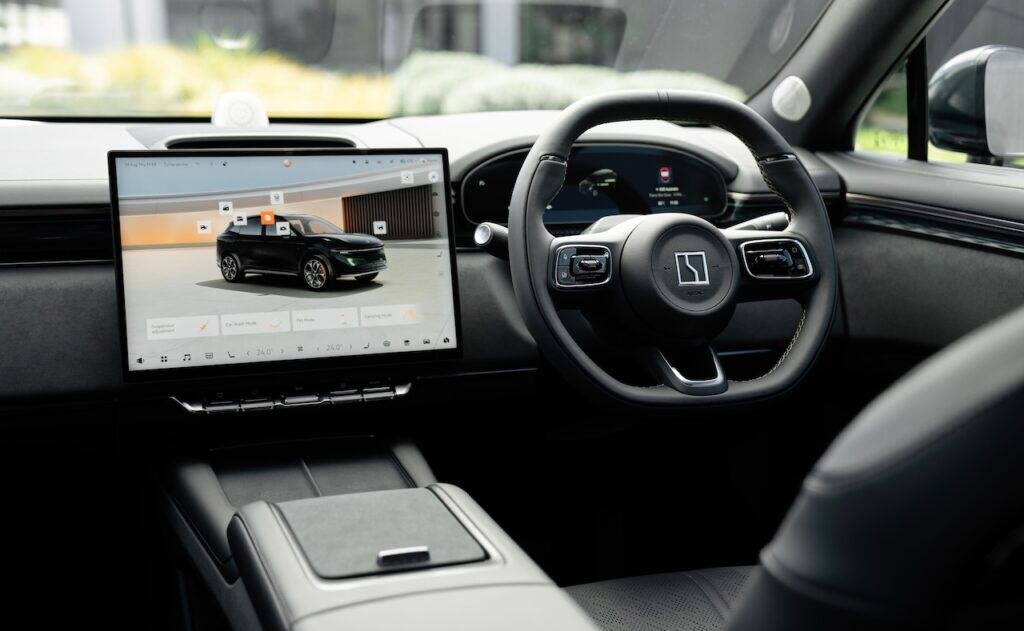
2026 Zeekr 7X Review: Premium Electric SUV Redefined
Luxury-class EV SUV with game-changing 800V charging speed
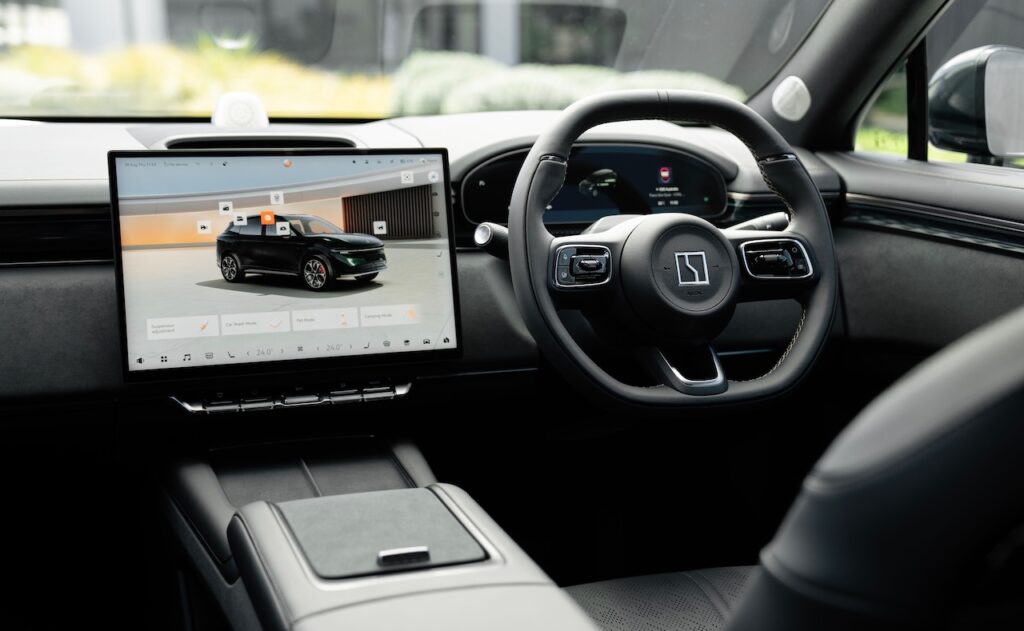
2026 Zeekr 7X Performance AWD electric SUV in Aurora Green
Price
A$63,900
0-100 km/h
6.0 s
Battery
100 kWh NMC
Power
310 kW
⚡ Quick Verdict
The 2026 Zeekr 7X is a mid-size electric SUV that wraps genuinely premium interior quality around 800V charging tech that leaves most competitors behind. Prices in Australia start at A$57,900 and stretch to A$72,900, putting it head-to-head with the Tesla Model Y, BYD Sealion 7 and Xpeng G6. Step inside, though, and it feels a class above. If you want a family EV that charges in minutes on road trips and wraps you in a cabin that wouldn’t embarrass a European badge, the 7X deserves a spot on your shortlist.
—
## Design and First Impressions
✓ The Good
- +Blistering 13-minute 10-80% DC fast charging thanks to 800V architecture
- +Cabin quality rivals Audi and BMW with premium materials throughout
- +Up to 615 km WLTP range on the Long Range variant impresses for touring
- +5-star ANCAP and Euro NCAP safety ratings with comprehensive standard kit
- +Generous 539-litre boot and 62-litre frunk for practical family duty
✗ The Trade-offs
- −No air suspension means the ride can’t adapt to varying road conditions
- −Starting price of $57,900 positions it above several strong value-focused rivals
- −The 2,300 kg kerb weight is noticeable in tight, dynamic driving
- −Zeekr’s Australian dealer and service network is still in its infancy
- −—
📑 In This Review
The 2026 Zeekr 7X is a mid-size electric SUV that wraps genuinely premium interior quality around 800V charging tech that leaves most competitors behind. Prices in Australia start at A$57,900 and stretch to A$72,900, putting it head-to-head with the Tesla Model Y, BYD Sealion 7 and Xpeng G6. Step inside, though, and it feels a class above. If you want a family EV that charges in minutes on road trips and wraps you in a cabin that wouldn’t embarrass a European badge, the 7X deserves a spot on your shortlist. —
Design and First Impressions
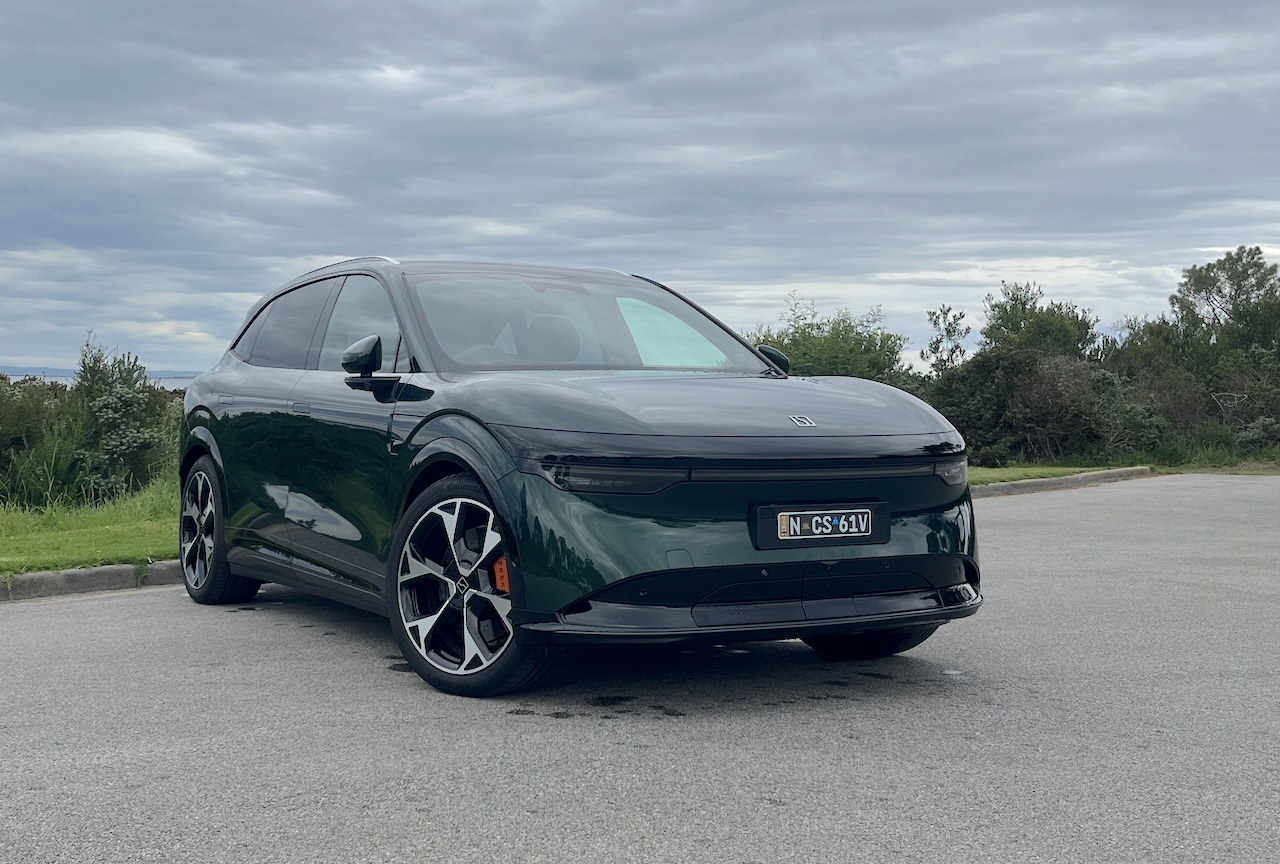
You won’t mistake the Zeekr 7X for another generic Chinese EV. The design is confident and cohesive, with its own distinct personality rather than borrowing heavily from parent company Geely’s broader line-up. It’s a handsome thing, and one that looks more expensive than the sticker price suggests.
At 4.82 metres long, 1.66 metres tall and riding on a 2.92-metre wheelbase, it sits right in the mid-size SUV sweet spot. Big enough to feel substantial, small enough to park without stress at the local shops. The proportions work well: a relatively low roofline gives it a sportier profile than boxier rivals, and the wide track (1.93 metres front and rear) delivers a planted, confident stance out on the road.
Up front, a full-width LED lighting strip runs across the nose, housing functional daytime running lights, LED low and high beams and the brand’s illuminated badge. There’s an actual working grille — not a blanked-off panel — which gives the front end a sense of mechanical purpose that many EVs miss. A 360-degree camera is neatly tucked into the nose, and the bumper incorporates multiple parking sensors for low-speed manoeuvring.
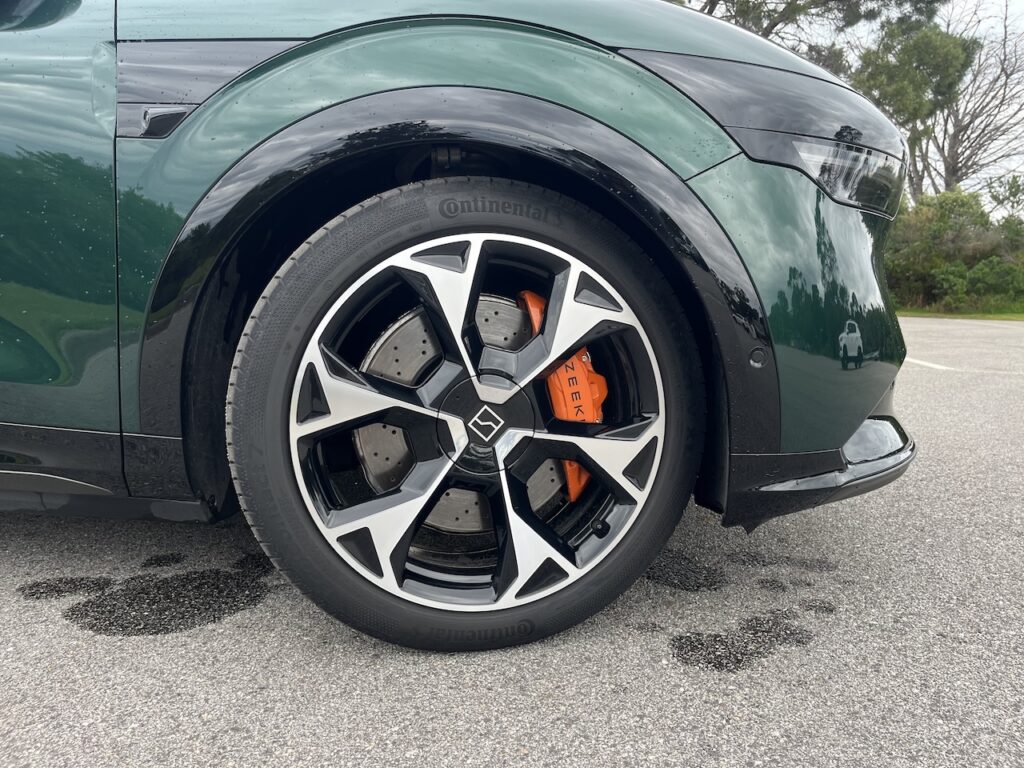
The side profile is clean and uncluttered, with flush door handles and, on higher trims, frameless doors that add a coupe-like touch. Our test car ran 20-inch alloys wrapped in Michelin 265/45 R20 rubber — a sensible size that balances ride comfort with visual presence. Out back, full-width LED tail lights are linked by a subtle light bar for a contemporary finish. Colour choices include Aurora Green, which photographs brilliantly and gives the 7X real road presence. White, grey and black are also on the menu if you’d rather fly under the radar.
The overall impression is one of modern sophistication. It doesn’t shout; it suggests. That’s exactly the right tone for a premium EV targeting buyers stepping up from mainstream metal or cross-shopping with entry-level European SUVs.
—
Powertrain, Range and Charging
Zeekr sells the 7X in three powertrain configurations, all built on an 800-volt electrical architecture — a detail with real, tangible benefits every time you plug into a high-power charger.
The entry point is the **Core RWD**, pairing a single rear electric motor with a 75 kWh lithium-iron-phosphate (LFP) battery. Output is 310 kW (421 hp), the 0–100 km/h dash takes roughly 6.0 seconds, and the WLTP range sits at around 480 km. Under the more generous CLTC standard, that stretches to 620 km. For city commuters and short-range tourers, it’s a capable and cost-effective package.
Most Australian buyers will gravitate toward the **Long Range RWD**. It keeps the same 310 kW motor but swaps in a 100 kWh NMC (nickel-manganese-cobalt) battery using CATL’s Qilin cell-to-pack tech. The payoff is a WLTP range of 615 km — enough, in practice, for a comfortable Sydney-to-Melbourne run with a single top-up. CLTC range is an eye-catching 802 km. The crucial bit: this variant keeps the 800V architecture and accepts peak DC charging speeds of up to 450 kW. Based on our observations and independent testing by Chasing Cars and EV Central, a 10–80% charge takes just 13 to 16 minutes on an appropriate high-power charger. That genuinely changes how you think about long-distance EV ownership. You pull in, grab a coffee, and you’re back on the road with hundreds of kilometres of added range.
For anyone who wants to embarrass sports cars at the lights, the **Performance AWD** adds a front motor to the 100 kWh battery. Combined output is 580 kW (630 hp) and 812 Nm. The 0–100 km/h sprint drops to 3.8 seconds on the WLTP test, with some Chinese-market runs suggesting times as quick as 2.9 seconds in ideal conditions. Top speed is 255 km/h. WLTP range is estimated at 530–550 km — a fair trade for that kind of punch.
Every variant gets vehicle-to-load (V2L) capability, a 14-hour full charge on a standard AC wallbox, and dual charging ports. The 800V architecture isn’t just a spec-sheet headline. It means lower current for the same power output, which translates to thinner, lighter cables and cooler-running hardware during sustained high-speed charging.
—
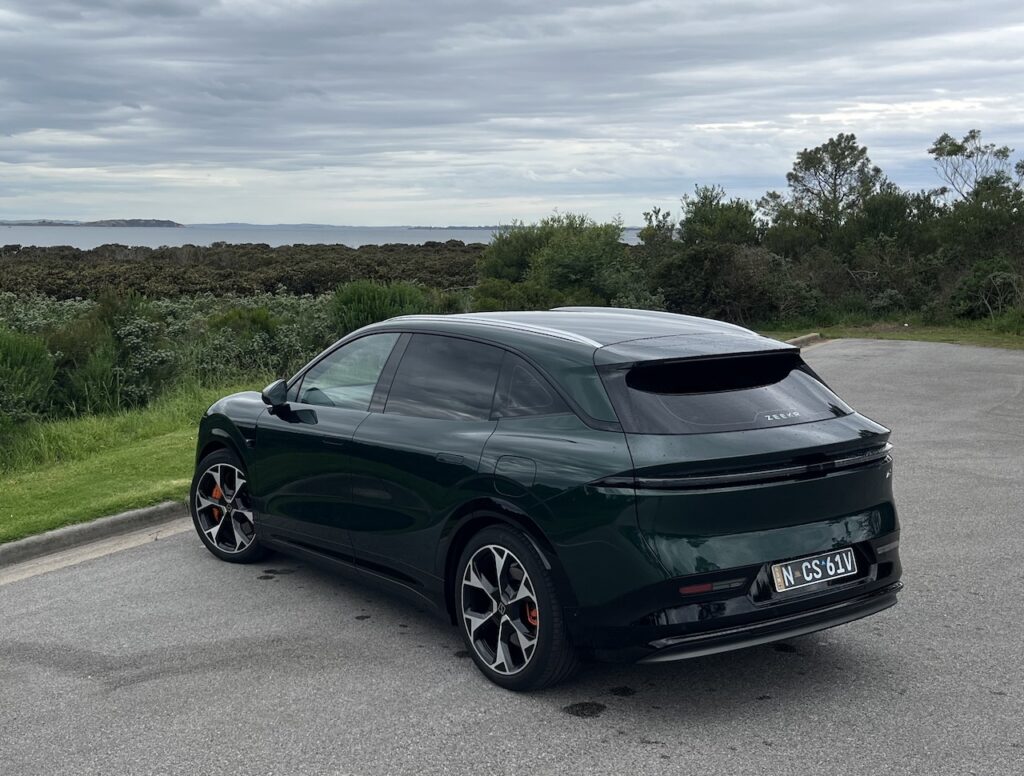
Interior, Tech and Comfort
Climb inside the Zeekr 7X and the material quality hits you straight away. This is a cabin that wouldn’t feel out of place in an Audi or BMW costing considerably more. Soft-touch surfaces cover the dashboard and door cards, textures are well-chosen, and everything you touch feels substantial. The leather-wrapped steering wheel is power-adjustable and heated, and higher trims add heated and ventilated seats.
The centrepiece is a 16-inch landscape-oriented touchscreen that handles virtually every vehicle function. It’s responsive, sharp and reasonably intuitive, though the software ecosystem still has some catching up to do compared to Tesla’s slick interface. A head-up display projects key driving info onto the windscreen, cutting down the need to glance at the screen mid-drive. There’s also a secondary driver display behind the steering wheel for essential vitals.
Overhead, a panoramic glass roof spans both rows and floods the cabin with natural light. An electric sunshade — absolutely essential during an Australian summer — deploys at the touch of a button. Rear passengers are well looked after: the 2.92-metre wheelbase delivers generous legroom, and an optional rear entertainment screen can keep occupants occupied on longer drives. On higher-spec models, electric doors add a futuristic touch, letting you open and close them via the touchscreen or a button rather than a traditional handle.
Storage is excellent. The boot holds 539 litres with all seats up — competitive for the class — and expands to a cavernous 1,978 litres with the 60/40 split-folding rear bench dropped. Up front, a 62-litre frunk provides handy extra space for charging cables, a gym bag or the weekly shop. Two cupholders, a sizeable centre console bin and a glovebox round things out.
Ambient lighting, a 360-degree camera system, multiple parking sensors and L2+ advanced driver assistance (ADAS) complete a tech package that leaves little on the table. During our time with the car, fit and finish consistently impressed — panel gaps are tight, switchgear feels solid, and there’s a sense that Zeekr has sweated the small stuff. It’s a cabin that makes you feel like you’ve spent more than you did, and that kind of value wins buyers over every time.
—

On the Road — How It Drives
Our time behind the wheel of the Zeekr 7X revealed a character that puts comfort and composure ahead of outright sportiness — and that’s no bad thing for a family SUV.
The steering is well-weighted, with enough feedback to place the car confidently on a winding road without feeling heavy or artificial at parking speeds. It’s a natural setup that inspires trust. Body roll is present but well-managed; the 7X leans into corners a bit more than a Tesla Model Y, but it’s progressive and predictable rather than sloppy. It feels like engineers tuned this for people who want a relaxed, confident cruiser rather than a canyon-carving weapon.
Ride quality is a real strong point. The standard steel-sprung suspension (there’s no air suspension option) does an admirable job soaking up Australian road imperfections, from suburban speed bumps to coarse-chip country highways. The 20 cm of ground clearance is generous for a mid-size SUV and gives you confidence on gravel driveways or unsealed roads. The Michelin 265/45 R20 tyres strike a sensible balance between grip, comfort and rolling resistance.
Out on the highway, the 7X is quiet and composed. Wind noise is well-suppressed for a vehicle this size, and road noise from the Michelins stays in check even on rougher surfaces. You can hold a conversation at highway speeds without raising your voice — a proper marker of premium intent.
Where the 7X most clearly departs from the Tesla Model Y is in its driving attitude. Where the Tesla feels taut, alert and a touch frenetic, the Zeekr settles into a more relaxed rhythm. It doesn’t attack corners with the same aggression, but it doesn’t punish you for driving on imperfect roads, either. For the vast majority of buyers — people who spend 90% of their time commuting, doing errands and cruising highways — the Zeekr’s approach is arguably the more pleasant one.
The 2,300 kg kerb weight shows up when you push hard, especially in tight switchbacks, and the brakes, while adequate, don’t have the sharp initial bite of some rivals. But these are minor notes in the context of a car that’s fundamentally very easy and pleasant to live with.
—
At a Glance — Zeekr 7X vs Rivals
| Spec | Zeekr 7X LR RWD | Tesla Model Y LR | BYD Sealion 7 Premium | Xpeng G6 LR |
|---|---|---|---|---|
| Price (AU) | A$63,900 | A$58,900 | A$54,990 | A$54,990 |
| Power | 310 kW | 378 kW (dual) | 230 kW | 210 kW |
| 0-100 km/h | 6.0 s | 4.3 s | 6.7 s | 5.9 s |
| Battery | 100 kWh NMC | 78 kWh | 82 kWh | 87 kWh |
| WLTP range | 615 km | 551 km | 482 km | 570 km |
| Peak DC charge | 450 kW | 250 kW | 150 kW | 280 kW |
| Architecture | 800 V | 400 V | 400 V | 800 V |
| Boot (L) | 539 / 1,978 | 854 / 2,041 | 500 / 1,820 | 571 / 1,374 |
Tesla Model Y Long Range
Sharper acceleration and bigger boot but slower charging and less premium cabin than the Zeekr.
BYD Sealion 7 Premium
Cheapest of the trio with comfy ride but lags badly on charging speed and outright range.
Xpeng G6 Long Range
800V tech at a lower price but smaller cabin and less polished materials than the 7X.
Zeekr 7X LR RWD BYD Sealion 7 Premium ————————————— A$63,900 A$54,990 310 kW 230 kW 6.0 s 6.7 s 100 kWh NMC 82 kWh 615 km 482 km 450 kW 150 kW 800 V 400 V 539 / 1,978 500 / 1,820 **Tesla Model Y Long Range** — The global best-seller and the car most buyers will cross-shop first. Quicker in a straight line with dual-motor AWD standard, a bigger boot and the unrivalled Supercharger network. Cabin materials and ride comfort trail the Zeekr, though. **BYD Sealion 7 Premium** — The value play. Cheaper to buy, softer to ride and backed by BYD’s rapidly growing Australian presence. It can’t match the Zeekr’s range, charging speed or cabin polish, but it’s hard to argue with the price. **Xpeng G6 Long Range** — The tech-focused alternative. Also sits on 800V architecture with competitive range and a slightly sharper driving character. The rear seat is tighter and brand awareness in Australia is lower, but the G6 is a genuine contender for tech-first buyers. —
Zeekr 7X vs Tesla Model Y: Which Is Better?
This is the comparison most Australian buyers will want answered, because the Zeekr 7X and Tesla Model Y occupy almost exactly the same space in the market: mid-size electric SUVs priced in the high-$50,000s to mid-$60,000s, aimed at families who want range, practicality and modern tech.
**Price.** On paper, the Tesla Model Y Long Range starts at A$58,900 — roughly $5,000 less than the Zeekr 7X Long Range RWD at A$63,900. That’s a meaningful gap, and it narrows to about $4,000 when you line up the entry-level Zeekr Core (A$57,900) against the base Model Y. Tesla also runs frequent promotions that can close the difference further. On price alone, the Tesla has the edge.
**Performance.** The Model Y Long Range hits 100 km/h in 4.3 seconds versus the Zeekr’s 6.0 seconds, thanks to its dual-motor all-wheel-drive layout against the Zeekr’s single-motor rear-drive setup. That said, the Zeekr’s 310 kW motor produces 421 hp — more than enough to feel effortlessly brisk in daily driving, even if it can’t match the Tesla’s off-the-line punch. If straight-line speed is your priority, the Tesla wins. For most real-world driving, the Zeekr is plenty quick.
**Charging and Range.** This is where the Zeekr pulls decisively ahead. Its 800V architecture allows peak DC charging speeds of up to 450 kW, compared to the Tesla’s 250 kW maximum. In practice, a 10–80% charge takes roughly 13 minutes in the Zeekr against around 27 minutes in the Model Y. On a road trip, that’s the difference between a quick espresso and waiting around in a servo carpark. The Zeekr also offers a longer WLTP range of 615 km versus 551 km, giving you more breathing room between stops.
**Interior Quality and Tech.** Sit in both cars back-to-back and the Zeekr feels like the more premium product. Soft-touch materials, ambient lighting, a panoramic glass roof with an electric sunshade, and a general sense of solidity lift it above the Model Y’s minimalist (and, in places, cost-reduced) cabin. Tesla counters with a cleaner, more intuitive software interface, a superior mobile app ecosystem and over-the-air updates that have steadily improved the ownership experience. Both offer excellent 360-degree cameras, head-up displays and advanced driver assistance.
**On-Road Feel.** These two drive quite differently. The Model Y is taut, responsive and slightly firm — it rewards attentive driving but can feel fidgety on rough surfaces. The Zeekr is softer, more relaxed and more natural in its responses. It leans a touch more in corners but rides more comfortably over bumps and imperfections. For the average Australian family doing school runs, commuting and weekend road trips, the Zeekr’s approach is arguably the more agreeable one day to day.
**Charging Network Access.** Tesla’s Supercharger network remains a genuine competitive advantage — it’s reliable, widespread and integrated into the car’s navigation system. The Zeekr relies on third-party public chargers, which in Australia can be hit-or-miss for reliability and availability. The rollout of NACS (North American Charging Standard) compatibility and increasing cross-brand charger access is gradually narrowing this gap. For now, though, Tesla owners have it easier on the charging front.
| Spec | Zeekr 7X Long Range RWD | Tesla Model Y Long Range |
|---|---|---|
| Starting price (AU) | A$63,900 | A$58,900 |
| Power | 310 kW (421 hp) | 378 kW combined |
| 0-100 km/h | 6.0 s | 4.3 s |
| Battery (usable) | ~94 kWh | ~75 kWh |
| WLTP range | 615 km | 551 km |
| Architecture | 800 V | 400 V |
| Peak DC charging | 450 kW | 250 kW |
| 10-80% time | ~13 min | ~27 min |
| Boot space | 539 L | 854 L |
> **WHICH ONE IS BETTER?** > > **Buy the Zeekr 7X if** you want a more premium-feeling cabin, faster real-world charging, longer touring range, and standout 800V tech. > > **Buy the Tesla Model Y if** you need a bigger boot, faster 0-100, better software/app integration, and access to the Supercharger network at lower cost. > > **Our pick** is the Zeekr 7X Long Range RWD for buyers who charge on the road regularly — that 13-minute 10-80% charge changes how you live with an EV.
—
Safety and Warranty
Safety credentials are a genuine strength for the Zeekr 7X. It’s earned a **5-star Euro NCAP rating** (2024), with individual scores of 91% for adult occupant protection, 90% for child occupant protection and 83% for safety assist. Locally, the 7X has also achieved a **5-star ANCAP rating** (2025), confirming its crashworthiness for Australian conditions.
Standard safety equipment runs deep. Every variant gets autonomous emergency braking (AEB), lane-keeping assist and lane-departure warning, speed-sign recognition, a centre airbag between the front occupants, a 360-degree camera, front and rear parking sensors, and L2+ advanced driver assistance (ADAS) with adaptive cruise control and lane centring.
Warranty coverage in Australia follows the pattern we’ve seen from other Chinese EV brands entering the market: **5 years for the vehicle** and **8 years for the high-voltage battery**. That provides reasonable peace of mind, though Zeekr’s Australian dealer and service network is still taking shape. We’d recommend confirming your nearest service point before signing on the dotted line.
—

Should You Buy the 2026 Zeekr 7X? (Buy / Skip Block)
Buy this if…
– You’re a road-tripper who values ultra-fast charging — the 800V architecture and 450 kW peak charge rate mean fewer and shorter stops between capital cities. – You prioritise cabin quality and want a premium interior experience without paying European luxury-brand prices. – You need a practical, family-sized electric SUV with a 615 km WLTP range that comfortably handles daily duties and longer touring.
Skip this if…
– You want the lowest possible entry price — the BYD Sealion 7 and Xpeng G6 undercut the Zeekr by thousands while offering competitive range and features. – You need a proven, mature dealer and service network — Zeekr’s Australian footprint is still small compared to Tesla, BYD or legacy brands. – You demand sharp, sporty handling and a taut ride — the Zeekr’s comfort-first character won’t suit buyers who prioritise driving dynamics above all else.
—
⚡ Our Verdict
Luxury-class EV SUV with game-changing 800V charging speed
The 2026 Zeekr 7X is one of the most convincing premium electric SUVs to land in Australia this year. It pairs genuinely Audi-grade interior quality with 800V charging tech that most European and American rivals can’t match, all wrapped in a handsome, well-proportioned body backed by strong safety credentials. Its weaknesses — no air suspension, a still-developing dealer network and a price that sits above some very capable competitors — are real but far from deal-breaking. For buyers who prioritise cabin experience, charging speed and touring range, the Zeekr 7X delivers serious value in the premium EV space. We rate it **8.4 out of 10** — a confident, polished electric SUV that belongs on every mid-size EV shopping list in Australia. —
FAQ
How much does the 2026 Zeekr 7X cost in Australia?
**A:** The 2026 Zeekr 7X starts at A$57,900 for the Core RWD (75 kWh), steps up to A$63,900 for the Long Range RWD (100 kWh) and tops out at A$72,900 for the Performance AWD (100 kWh). These are drive-away estimates at launch and may vary by state and dealer.
What is the Zeekr 7X’s real-world range?
**A:** The Long Range RWD is rated at 615 km on the WLTP cycle. In real-world Australian driving — factoring in highway speeds, air-con use and varied terrain — you’re looking at roughly 480–530 km. That’s still excellent for the segment.
Is the Zeekr 7X faster than the Tesla Model Y?
**A:** In standard Long Range RWD form, no — the Zeekr hits 100 km/h in 6.0 seconds, while the dual-motor Tesla Model Y Long Range does it in 4.3 seconds. The Performance AWD variant of the Zeekr 7X, however, reaches 0–100 km/h in 3.8 seconds, making it quicker than the Model Y Long Range.
How fast does the Zeekr 7X charge?
**A:** Thanks to its 800V architecture, the Zeekr 7X accepts peak DC charging speeds of up to 450 kW. A 10–80% charge takes roughly 13 to 16 minutes on a suitable high-power charger, as verified by independent testing from Chasing Cars and EV Central.
How safe is the Zeekr 7X?
**A:** Very safe. It holds a 5-star Euro NCAP rating (91% adult, 90% child, 83% safety assist) and a 5-star ANCAP rating in Australia. Standard kit includes AEB, lane support, speed-sign recognition, a centre airbag, a 360-degree camera, parking sensors and L2+ ADAS.
Does the Zeekr 7X have air suspension?
**A:** No, the Zeekr 7X runs conventional steel-sprung suspension across the range. Ground clearance is a generous 20 cm, which handles most driving scenarios including light gravel roads. The ride is still comfortable, though it can’t adapt to different driving modes the way air suspension can.
When does the Zeekr 7X arrive in the UK?
**A:** Zeekr has confirmed UK and European availability for the 7X, with right-hand-drive deliveries expected in late 2025 or early 2026. Exact UK pricing hasn’t been locked in yet, but the brand has signalled competitive positioning against the Tesla Model Y and other rivals in that market. — This review draws on hands-on observations and independent publications including ANCAP, Euro NCAP, Chasing Cars and EV Central.
