

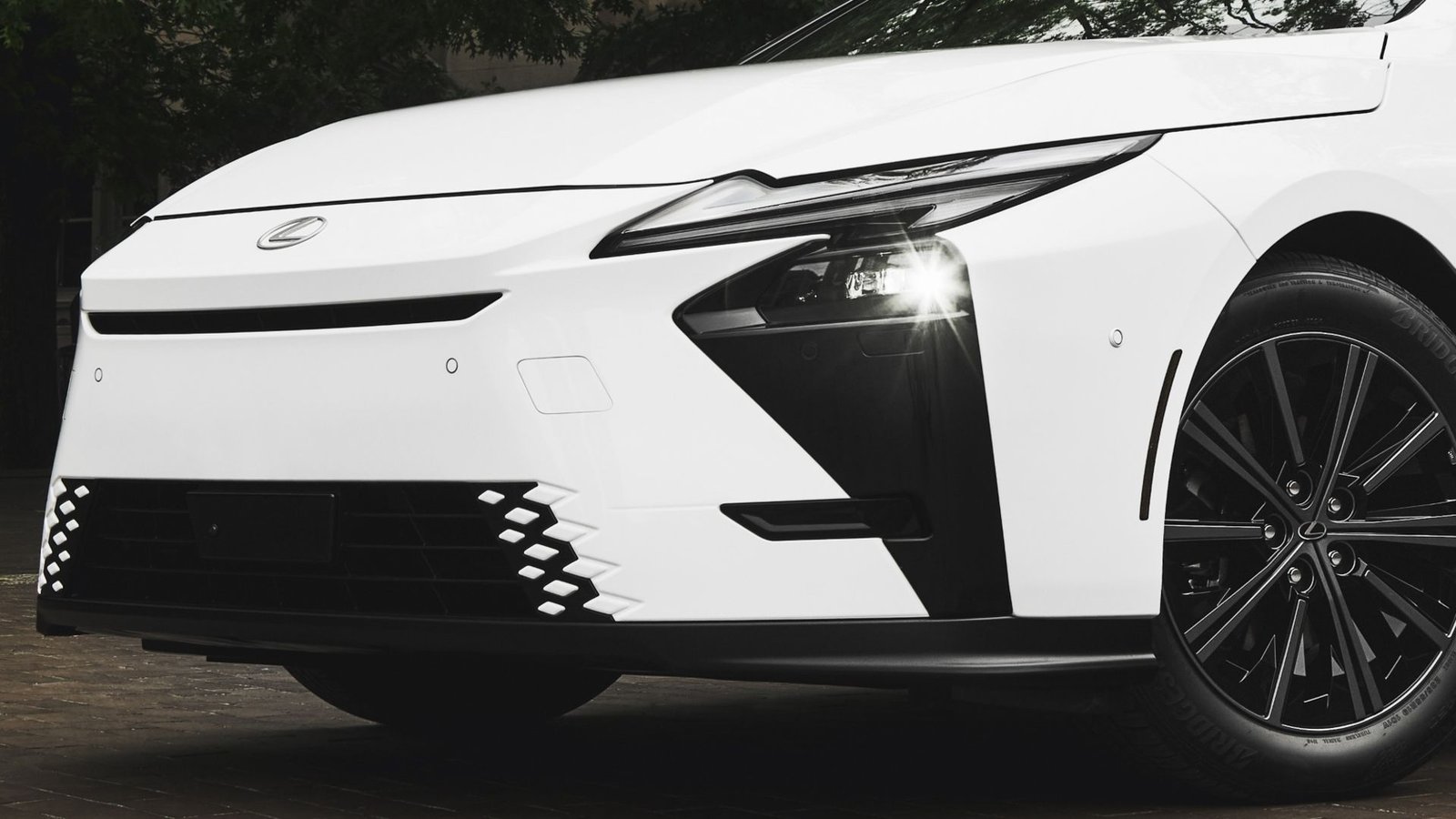
2026 Lexus ES 350h Review: The Quiet Champion of Luxury Sedans
A refined, ultra-efficient luxury sedan that’s a value powerhouse.
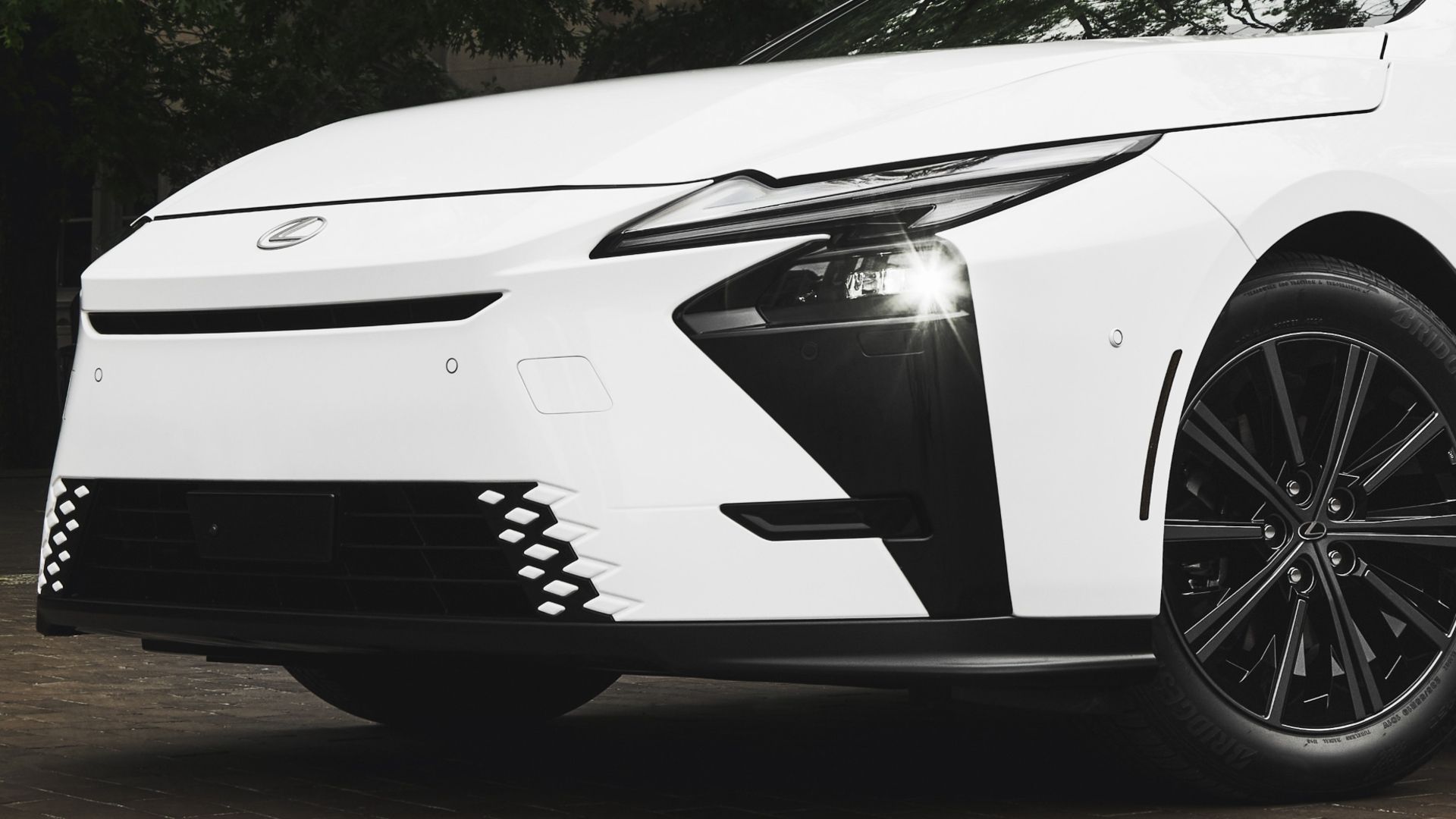
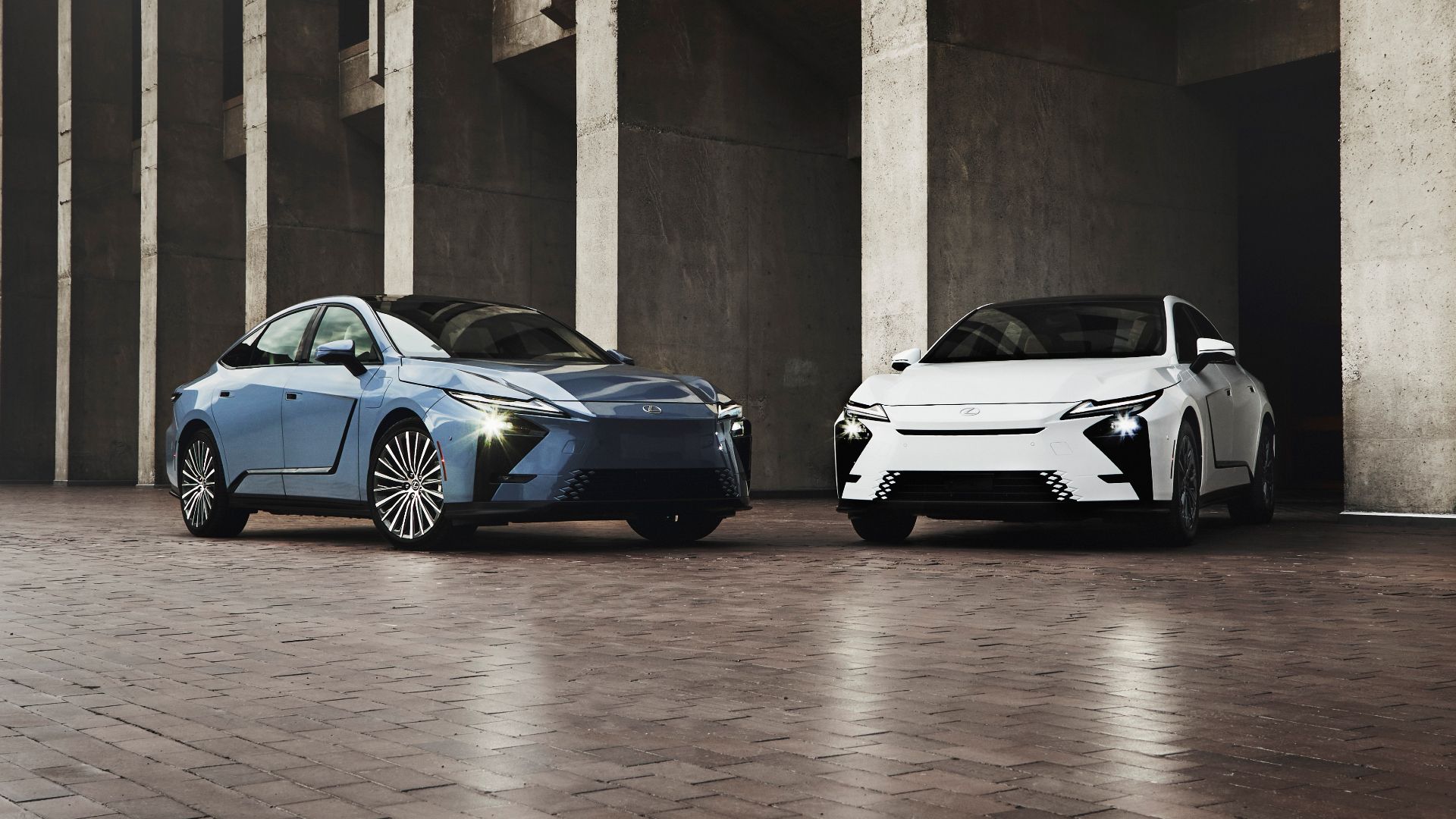
2026 Lexus ES 350h front three-quarter exterior
Price
$49,700
Powertrain
2.5L I4 + electric motor, CVT
⚡ Quick Verdict
Lexus’s best-selling sedan has been completely rethought. The 2026 ES 350h arrives as a hybrid-only model in the U.S., posting 46 mpg combined, riding on a completely new multi-link rear suspension, and starting at a price that leaves German rivals thousands behind. It’s not designed to thrill you on a back road. It’s engineered to be a silent, fuel-sipping sanctuary that makes ownership effortless. If you prioritize serenity, efficiency, and long-term value over driving excitement, this car makes an exceptional case for itself.
## Introduction
✓ The Good
- +Exceptional fuel economy of 46 mpg combined without sacrificing luxury
- +Whisper-quiet cabin with near-silent hybrid transitions
- +All-new multi-link rear suspension transforms ride quality and composure
- +Generous standard equipment including heated/ventilated seats and 14-inch touchscreen
- +Dramatically lower ownership costs than any German rival
✗ The Trade-offs
- −Not a sports sedan; steering lacks feedback for enthusiastic drivers
- −No plug-in hybrid or full-EV option in the lineup
- −Acceleration is adequate, not thrilling, at 7.3 seconds to 60 mph
- −Interior materials, while improved, still trail the best German benchmarks
📑 In This Review
- Introduction
- Design and Exterior
- Interior and Cabin Quality
- Hybrid Powertrain and Performance
- On the Road — Ride, Handling, and Refinement
- Fuel Economy and Running Costs
- 2026 Lexus ES 350h vs Mercedes-Benz E-Class: Which Is Better?
- At a Glance: How It Compares to Rivals
- Safety and Warranty
- Who Should Buy the 2026 Lexus ES 350h?
- Verdict
- Frequently Asked Questions
Lexus’s best-selling sedan has been completely rethought. The 2026 ES 350h arrives as a hybrid-only model in the U.S., posting 46 mpg combined, riding on a completely new multi-link rear suspension, and starting at a price that leaves German rivals thousands behind. It’s not designed to thrill you on a back road. It’s engineered to be a silent, fuel-sipping sanctuary that makes ownership effortless. If you prioritize serenity, efficiency, and long-term value over driving excitement, this car makes an exceptional case for itself.
Introduction
The Lexus ES has long been the quiet achiever in the luxury sedan world. It sells in huge numbers, earns top owner satisfaction marks, yet rarely gets the spotlight its German competitors enjoy. For 2026, Lexus is doubling down on that identity. The eighth-generation ES is now a hybrid-only offering in the United States—a confident move from the brand that helped mainstream electrification over two decades ago with the original RX 400h.
This new ES targets buyers wanting a midsize luxury car that’s comfortable for the daily grind, capable on long highway trips, and kind to your wallet at the pump. It competes directly with the Mercedes-Benz E-Class, BMW 5 Series, Genesis G80, and Audi A6—all excellent, all significantly more expensive. You can get into an ES 350h Premium for $49,700 (plus $1,395 destination), with the loaded Premium+ at $54,500. Its combined 46 mpg fuel economy (roughly 5.1 L/100 km) for the front-wheel-drive model puts it in a class of one among traditional luxury sedans, making the ES genuinely efficient by any measure.
Design and Exterior
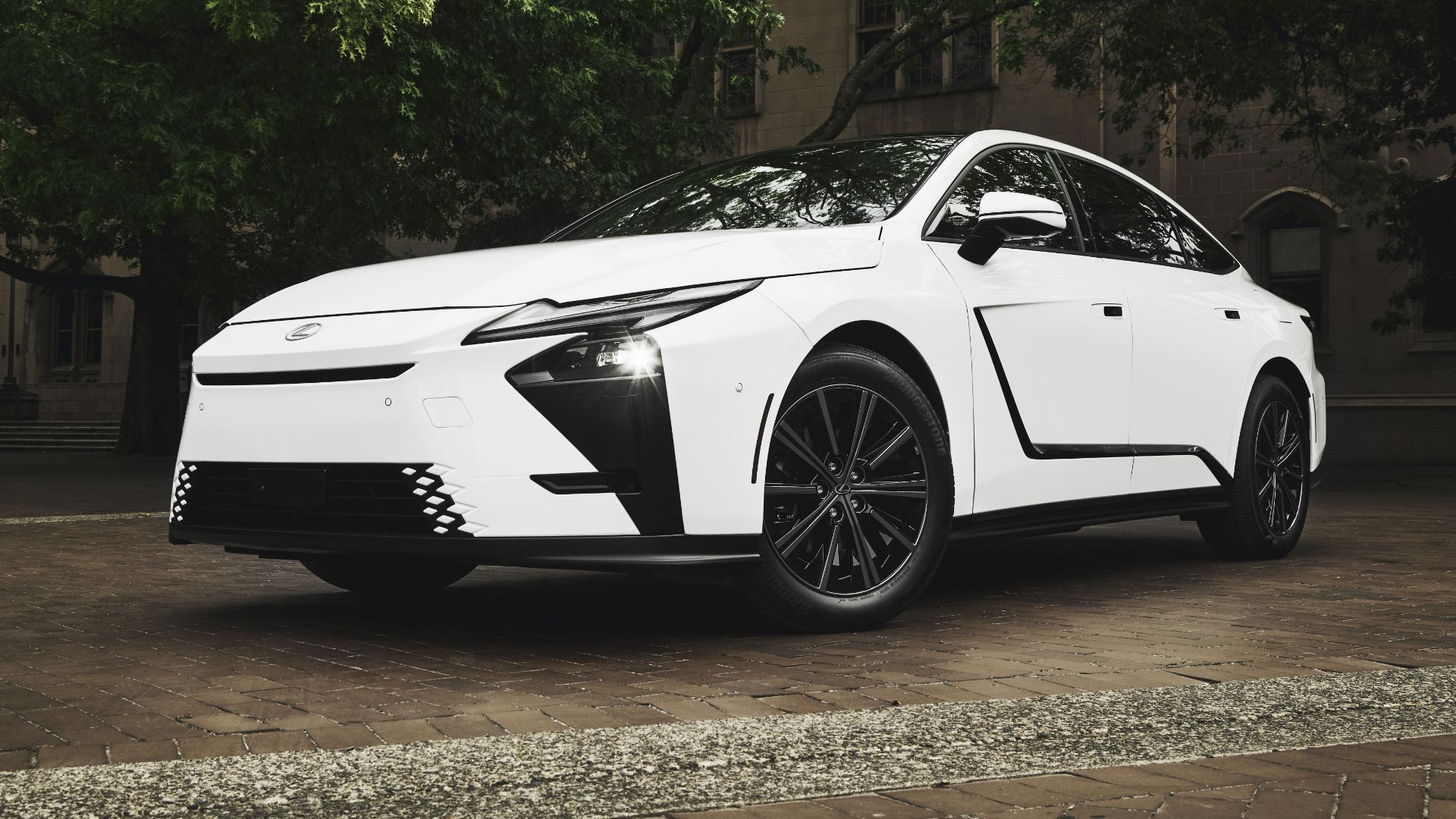
The eighth-generation ES is the most dramatic-looking Lexus sedan we’ve seen in a long time. It’s 6.5 inches longer and 4.5 inches taller than the car it replaces, stretching to 202.3 inches overall on a 116.1-inch wheelbase. That places it firmly in full-size sedan territory. At 75.6 inches wide, it has a planted, wide-track stance the previous model lacked.
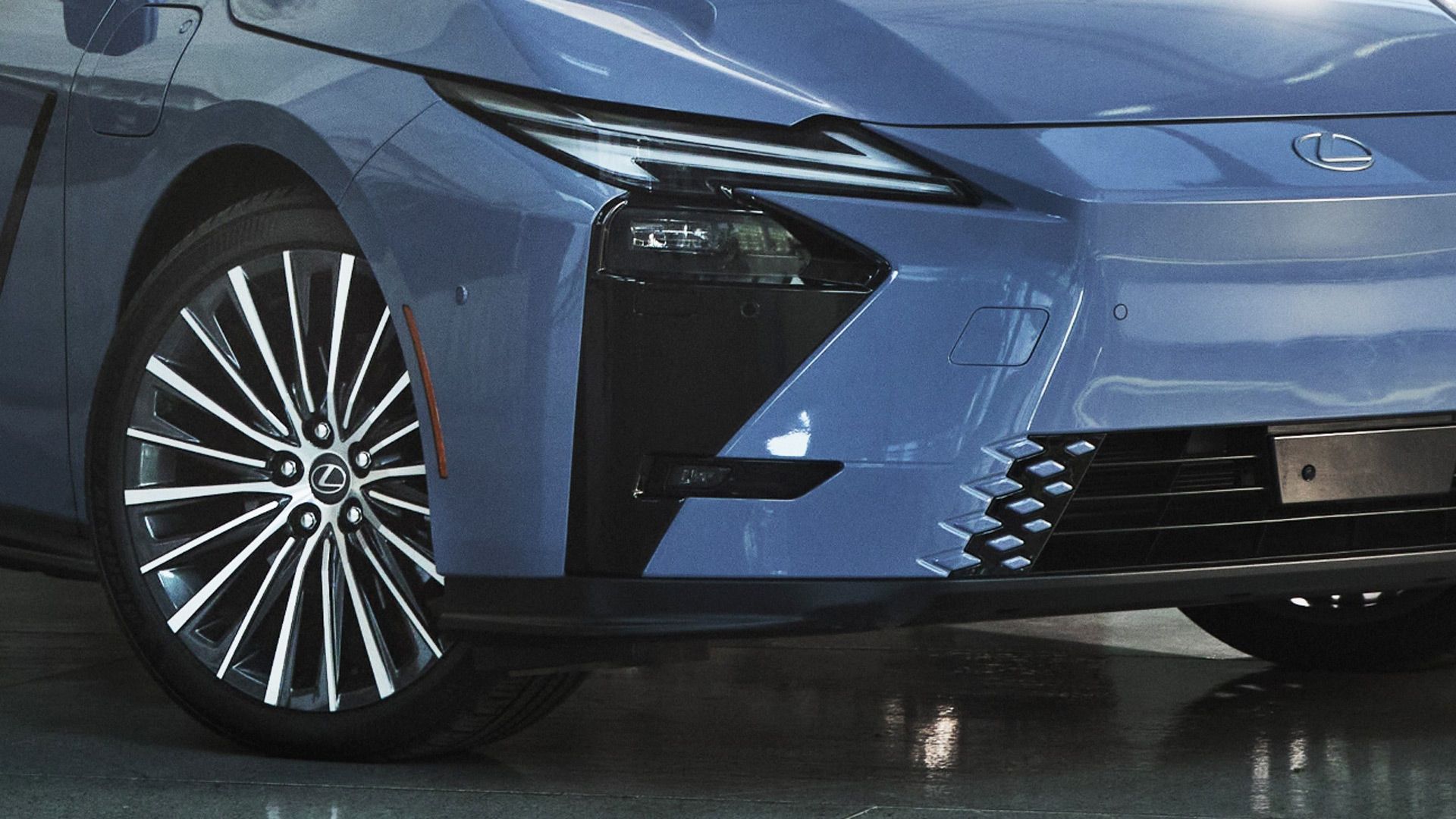
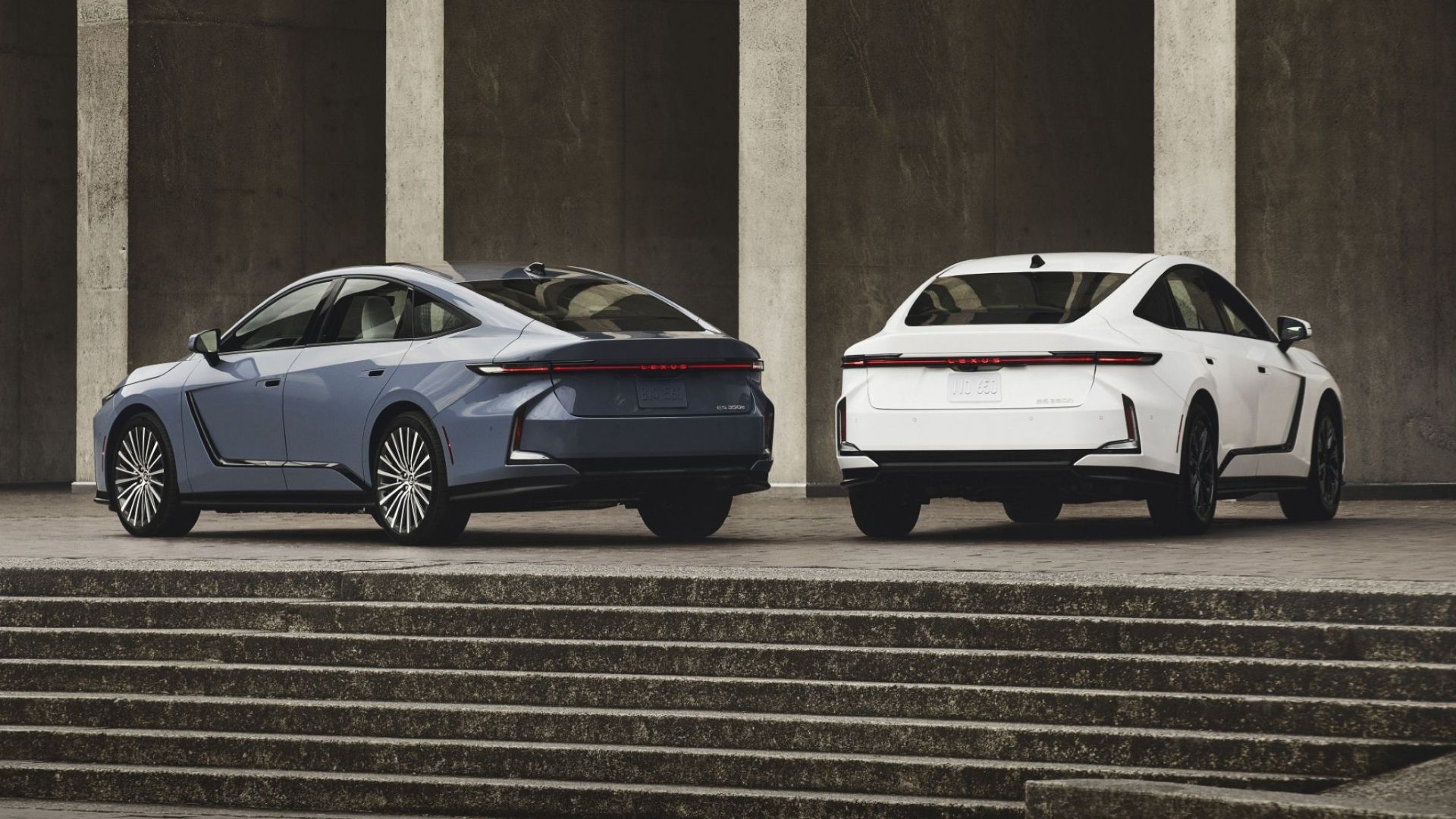
Up front, the familiar spindle grille is now what Lexus calls a "spindle body"—a design that flows into the bodywork instead of sitting as a separate opening. It’s a cleaner, more cohesive look. Slim LED headlamps sweep into the front fenders, and a full-width light bar connects the taillights at the rear. Viewed from the side, the longer greenhouse and gently sloping roofline give it a sleeker, almost fastback silhouette that hides its substantial length. Standard 18-inch wheels are fitted across the range, with 19-inch rims available on the Premium+. During our time with the car, these new proportions gave it a road presence it hasn’t had before. It looks more expensive than it is, and not every rival can make that claim.
Interior and Cabin Quality
Step inside and the screen grabs your attention first. A 12.3-inch digital gauge cluster sits behind the wheel, while a 14.0-inch central touchscreen dominates the dash. The latest Lexus Interface system is responsive, logically organized, and includes wireless Apple CarPlay and Android Auto as standard. There’s a physical home button below the screen, a welcome tactile shortcut when you’d rather not prod at glass. It’s a massive improvement over the old, frustrating touchpad interface.
Material quality has taken a real step up. Standard NuLuxe synthetic leather is convincing—soft, durable, and more sustainable than traditional hides. Real leather and a semi-aniline upgrade are options on higher trims. The dashboard features dense, soft-touch plastics with consistent graining, and every switch and dial has a damped, precise feel. Heated and ventilated front seats, a heated steering wheel, and dual-zone climate control come standard. The Premium+ adds a 17-speaker Mark Levinson system that fills the hushed cabin with rich, detailed sound.
The new dimensions pay off in passenger space. Rear legroom has improved noticeably, and taller adults will find the back seat comfortable for long trips. Headroom is fine despite the lower roofline, thanks to a reshaped headliner. The trunk is generous, and the flat load floor makes loading luggage easy. Overall, the interior represents a quiet revolution for Lexus—it doesn’t shout about its luxury, but it delivers it everywhere you look and touch.
Hybrid Powertrain and Performance
Power comes from Lexus’s sixth-generation hybrid system: a 2.5-liter naturally aspirated four-cylinder paired with an electric starter-generator and a motor-generator in the electronically controlled CVT. Total system output is 244 horsepower. Front-wheel drive is standard; all-wheel drive is optional, adding a 54-hp electric motor to the rear axle.
The powertrain is beautifully calibrated. The switch between electric and petrol power is nearly invisible; we watched the energy-flow display to catch the engine firing up. The CVT, once a weak point, has been thoroughly revised. It no longer drones or holds revs awkwardly—the simulated gear steps feel natural, and power delivery is smooth. Lexus quotes 0-60 mph in 7.3 seconds for the FWD car and 7.1 for the AWD. These aren’t blistering times, but the ES never feels slow. The electric motor fills the low-end torque gap, so pulling away from lights or merging onto highways happens without drama. If you’re used to a turbocharged German sedan, this will feel less urgent but also less stressed—it goes about its work with quiet competence.

On the Road — Ride, Handling, and Refinement
The biggest dynamic change is the new multi-link rear suspension—a first for the ES. The old trailing-arm setup was comfortable but let the rear feel unsettled over sharp bumps. The multi-link design, plus the wider track and longer wheelbase, gives the ES 350h a composure we found genuinely impressive. Body roll is controlled through bends, and it absorbs potholes and expansion joints with a muted, premium feel. This isn’t a sports sedan—Lexus makes no such claim—but it’s a supremely comfortable one.
The steering is light and accurate, ideal for low-speed maneuvers and relaxed highway cruising. Feedback is minimal, which enthusiasts will miss but the target buyer will likely appreciate as part of the refinement. At highway speeds, the cabin is near-silent; wind noise is well-suppressed, and tire noise over coarse surfaces is impressively low. The ES also has meaningful EV-mode capability at low speeds—parking lots, residential streets, and slow traffic let it run on electricity alone for short stretches, enhancing the sense of hushed luxury. During our drive, we were struck by how relaxing it is over distance. You arrive feeling fresher than when you left, arguably the highest praise for a luxury sedan.
Fuel Economy and Running Costs
The headline figure is 46 mpg combined for the front-drive model—48 mpg in the city, 44 on the highway. The all-wheel-drive version returns 47 city / 42 highway / 44 combined mpg. That’s roughly 5.1 L/100 km for the FWD variant, a number that simply doesn’t exist elsewhere in the traditional luxury sedan class. A Mercedes-Benz E 350e plug-in can match or beat that when its battery is full, but once charge is depleted, its economy drops significantly. The Lexus hits its number every single day, because you never plug it in. There’s no charging hassle, no range anxiety, no efficiency drop on a cold morning. It just works.
Lexus sweetens the deal with complimentary maintenance for the first year or 10,000 miles. The brand’s reputation for low running costs and reliability gives the ES 350h a total cost of ownership advantage that’s hard to quantify but impossible to ignore. Over five years, the fuel savings alone versus a non-hybrid luxury sedan can amount to thousands.

2026 Lexus ES 350h vs Mercedes-Benz E-Class: Which Is Better?
The Mercedes-Benz E-Class is the benchmark executive sedan—the car every rival tries to beat. It’s beautiful, tech-rich, and engaging to drive. But the 2026 Lexus ES 350h isn’t trying to beat the E-Class at its own game. It offers a different proposition: comparable luxury, better efficiency, and a price that undercuts the Mercedes by a huge margin.
**Price.** This is where the comparison starts and, for many, ends. The ES 350h Premium begins at $49,700; the equivalent E-Class PHEV, the E 350e, stickers from about $66,000 with similar equipment. That’s a $16,000-plus gap—enough to cover years of fuel, maintenance, and insurance.
**Powertrain and feel.** The Lexus hybrid is smoother in its transitions and much cheaper to run. The Mercedes plug-in offers more outright performance—it’s quicker and more responsive. But the ES’s powertrain better suits the relaxed, luxury-first mission most buyers in this segment actually want.
**Efficiency.** The Lexus returns 46 mpg combined, every day, without plugging in. The E 350e can match that with a full battery but falls to the mid-to-high 30s when depleted. For buyers without reliable charger access, the Lexus is the more efficient car by a wide margin.
**Interior quality and technology.** The Mercedes still holds the edge here. The E-Class cabin is a masterclass in materials and ambient lighting, and its MBUX infotainment remains among the best. But the gap is closing. The ES’s 14-inch touchscreen, premium NuLuxe upholstery, and Mark Levinson audio deliver genuine luxury that doesn’t feel like a compromise.
**Reliability and resale value.** The Lexus dominates. Toyota and Lexus hybrid systems have a track record over two decades and are among the most reliable powertrains made. The E-Class is well-built but can’t match the Lexus’s long-term ownership confidence or resale value.
**On-road character.** The E-Class is sharper, more communicative, and more involving in corners. Its steering tells you more, and its chassis is more willing to be hustled. The ES 350h is quieter, more relaxed, and more comfortable. It doesn’t want to be hustled—it wants to glide.
| Specification | 2026 Lexus ES 350h (Premium) | 2025 Mercedes-Benz E 350e |
|---|---|---|
| Starting Price | $49,700 | ~$66,000 |
| Powertrain | 2.5L I4 + electric motor, CVT | 2.0L turbo I4 + electric motor, 9-speed auto |
| System Power | 244 hp | 303 hp |
| 0–60 mph | 7.3 sec (FWD) | ~5.8 sec |
| Combined MPG | 46 mpg | ~30 mpg (charge-depleted) |
| Length | 202.3 in | 195.0 in |
| Wheelbase | 116.1 in | 116.6 in |
| Infotainment | 14.0-in touchscreen | 14.6-in touchscreen |
| Warranty | 4yr/50k basic; 6yr/70k powertrain | 4yr/50k basic; 4yr/50k powertrain |
<div style="background:linear-gradient(135deg,#f0f9ff,#e0f2fe); border-left:4px solid #2563eb; border-radius:12px; padding:24px 28px; margin:32px 0"> <p style="font-size:12px; font-weight:800; letter-spacing:0.14em; text-transform:uppercase; color:#1e40af; margin:0 0 10px">Which one is better?</p> <p><strong>Buy the Lexus ES 350h if</strong> you want unmatched fuel economy, lower running costs, bulletproof reliability, and a serene cabin for $15,000+ less.</p> <p><strong>Buy the Mercedes E-Class if</strong> you want sharper handling, a more prestigious badge, and a more involving driving experience – and the higher price doesn’t bother you.</p> <p><strong>Our pick</strong> is the Lexus ES 350h. The Mercedes is the more desirable object, but the Lexus is the better car for the money – and it’s not close.</p> </div>
At a Glance: How It Compares to Rivals
| Specification | 2026 Lexus ES 350h (Premium) | 2025 Mercedes-Benz E 350e |
|---|---|---|
| Starting Price | $49,700 | ~$66,000 |
| Powertrain | 2.5L I4 + electric motor, CVT | 2.0L turbo I4 + electric motor, 9-speed auto |
| System Power | 244 hp | 303 hp |
| 0–60 mph | 7.3 sec (FWD) | ~5.8 sec |
| Combined MPG | 46 mpg | ~30 mpg (charge-depleted) |
| Length | 202.3 in | 195.0 in |
| Wheelbase | 116.1 in | 116.6 in |
| Infotainment | 14.0-in touchscreen | 14.6-in touchscreen |
| Warranty | 4yr/50k basic; 6yr/70k powertrain | 4yr/50k basic; 4yr/50k powertrain |
Mercedes-Benz E-Class
Sharper to drive and more prestigious, but $16,000+ more and far thirstier off-charge.
BMW 5 Series (530i)
More engaging to drive and rear-drive purity, but materially less efficient than the ES.
Genesis G80
Longer warranty and bolder design, but no hybrid option and lower resale value.
Audi A6
Slick cabin and Quattro grip, but only a mild hybrid and pricier to service.
The executive sedan segment is crowded, and the ES 350h faces stiff competition. Here’s how it stacks up on the metrics that matter. Starting Price Combined Economy —— $49,700 46 mpg ~$66,000 ~30 mpg (CD) ~$58,000 ~28 mpg ~$58,000 ~27 mpg ~$60,000 ~29 mpg The Lexus stands alone on fuel economy. The Genesis offers a longer warranty and more power for the money, but it lacks a hybrid and can’t match the ES’s efficiency. The BMW and Audi are engaging to drive but thirstier and costlier to run. The Mercedes is the prestige play, but its pricing puts it in a different consideration set.
Safety and Warranty
Every 2026 ES 350h comes standard with Lexus Safety System+ 4.0, the brand’s most advanced driver-assistance suite. It includes adaptive cruise control with stop-and-go, lane-keeping assist, pre-collision braking with pedestrian and cyclist detection, traffic-sign recognition, and automatic high beams. Lexus describes the system’s interventions as "human-like," aiming for smooth, natural corrections instead of the abruptness of earlier systems. Blind-spot monitoring and rear cross-traffic alert are also standard on all trims—features some rivals still charge extra for.
Warranty coverage is solid: four years or 50,000 miles basic, six years or 70,000 miles powertrain, and eight years or 100,000 miles on hybrid components including the battery. That hybrid warranty is especially reassuring for buyers new to electrified powertrains. Full IIHS and NHTSA crash-test ratings for the new ES hadn’t been published at launch; we’ll update this review when they’re available. Based on Lexus’s strong safety record, we expect good results.
Who Should Buy the 2026 Lexus ES 350h?
The ideal ES 350h buyer sees a car as a tool for comfortable, stress-free transportation, not a source of weekend thrills. It’s for the mid-50s commuter who spends an hour each way on the highway and wants to arrive relaxed. It’s for the retiree who values a quiet cabin, easy tech, and the peace of mind from a Toyota-hybrid powertrain that will likely outlast their need for a new car. It’s for the executive who’s owned several German sedans and is tired of rising service costs, complex infotainment, and steep depreciation.
It’s also for anyone who’s owned a Lexus before. The brand’s loyalty rates are among the industry’s highest, and for good reason—owners keep their cars a long time, enjoy minimal unexpected repairs, and report high satisfaction. The 2026 ES gives them every reason to return. If you value reliability, efficiency, and refinement over outright performance and badge prestige, this is the luxury sedan that makes the most sense.
⚡ Our Verdict
A refined, ultra-efficient luxury sedan that’s a value powerhouse.
The 2026 Lexus ES 350h isn’t for everyone. It’s not fast, not sporty, and doesn’t deliver a visceral driving experience. But for the audience it’s built for—and that audience is huge—it’s close to flawless. The new multi-link rear suspension has transformed its ride. The sixth-generation hybrid system delivers remarkable fuel economy without the compromises of older CVT hybrids. The cabin is quiet, comfortable, and packed with intuitive technology. And the price, starting just under $50,000, makes it a genuine value in a segment where $60,000 is the entry point for most rivals. We rate the 2026 Lexus ES 350h at 4.3 out of 5. It loses points for its lack of driving excitement and the absence of a plug-in hybrid or EV option for those wanting more electric range. But those are the only meaningful criticisms we can level at a car that does everything else superbly. If you’re shopping for a midsize luxury sedan and your priorities are comfort, efficiency, and long-term ownership satisfaction, the ES 350h should be at the top of your list. **BUY:** The 2026 Lexus ES 350h if you want a serene, efficient, and beautifully built luxury sedan that costs less to own than anything in its class. **SKIP:** The ES 350h if you prioritize driving engagement, outright performance, or want a plug-in hybrid powertrain — the BMW 5 Series and Mercedes E-Class will serve you better in those areas.
Frequently Asked Questions
How much is the 2026 Lexus ES 350h?
The ES 350h starts at $49,700 for the Premium trim and $54,500 for the Premium+ trim, before the $1,395 destination charge.
What is the fuel economy of the 2026 Lexus ES 350h?
The front-wheel-drive model gets an EPA-estimated 48 city / 44 highway / 46 combined mpg. The all-wheel-drive version is rated at 47 city / 42 highway / 44 combined mpg. Both figures translate to roughly 5.1 L/100 km.
How fast is the 2026 Lexus ES 350h?
It accelerates from 0 to 60 mph in 7.3 seconds with front-wheel drive and 7.1 seconds with all-wheel drive. It’s adequate for daily driving but not built to be a performance car.
Is the 2026 Lexus ES 350h all-wheel drive?
All-wheel drive is an option. It uses a dedicated 54-horsepower electric motor on the rear axle without a mechanical driveshaft. Front-wheel drive is standard.
What is the warranty on the 2026 Lexus ES 350h hybrid battery?
Lexus covers hybrid components, including the battery, for eight years or 100,000 miles. The basic warranty is four years or 50,000 miles, and the powertrain warranty extends to six years or 70,000 miles.
Is the 2026 Lexus ES 350h better than the Mercedes E-Class?
It depends on your priorities. The Lexus offers much better fuel economy, lower running costs, superior reliability, and a significantly lower price. The Mercedes E-Class is faster, more engaging to drive, and has a more prestigious interior. For value and long-term ownership, the Lexus wins convincingly.
How big is the 2026 Lexus ES 350h infotainment screen?
The central touchscreen measures 14.0 inches diagonally. It’s paired with a 12.3-inch digital instrument cluster. The system supports wireless Apple CarPlay and Android Auto.
