

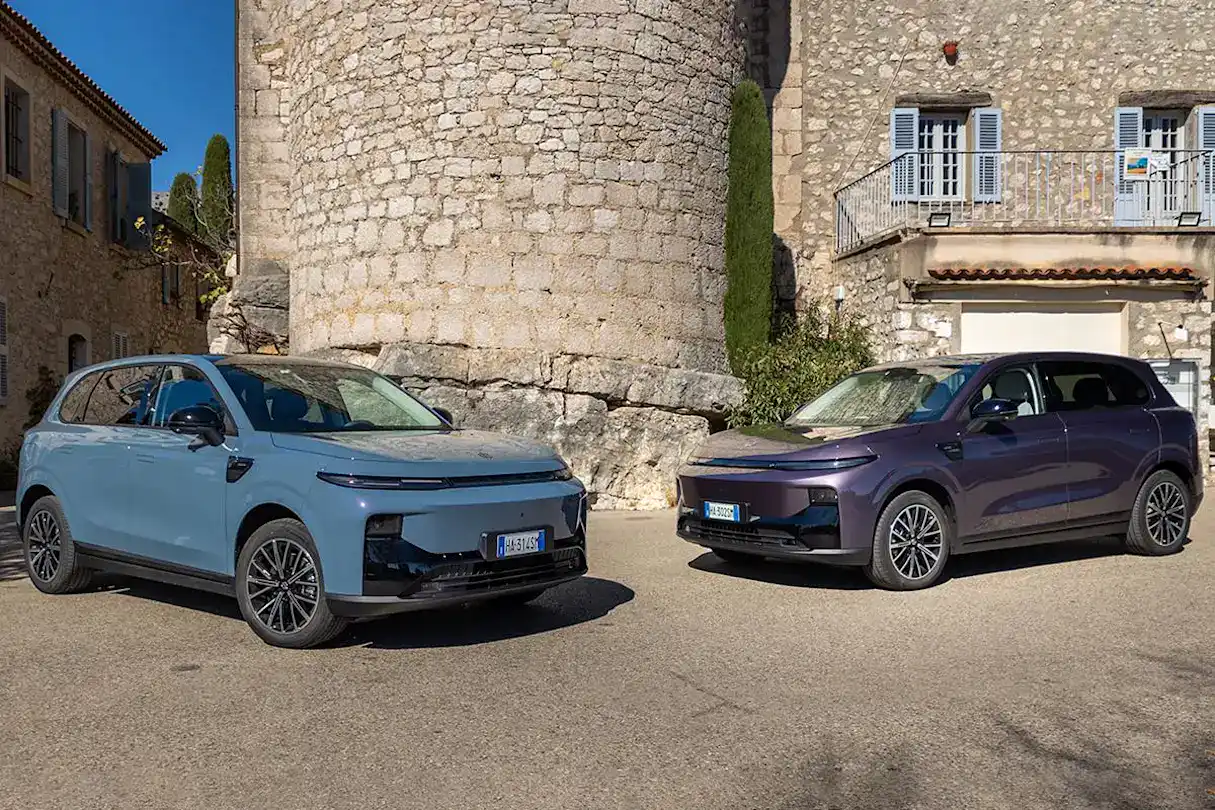
2026 Leapmotor B10 Review: Australia’s Sharpest Budget Electric SUV?
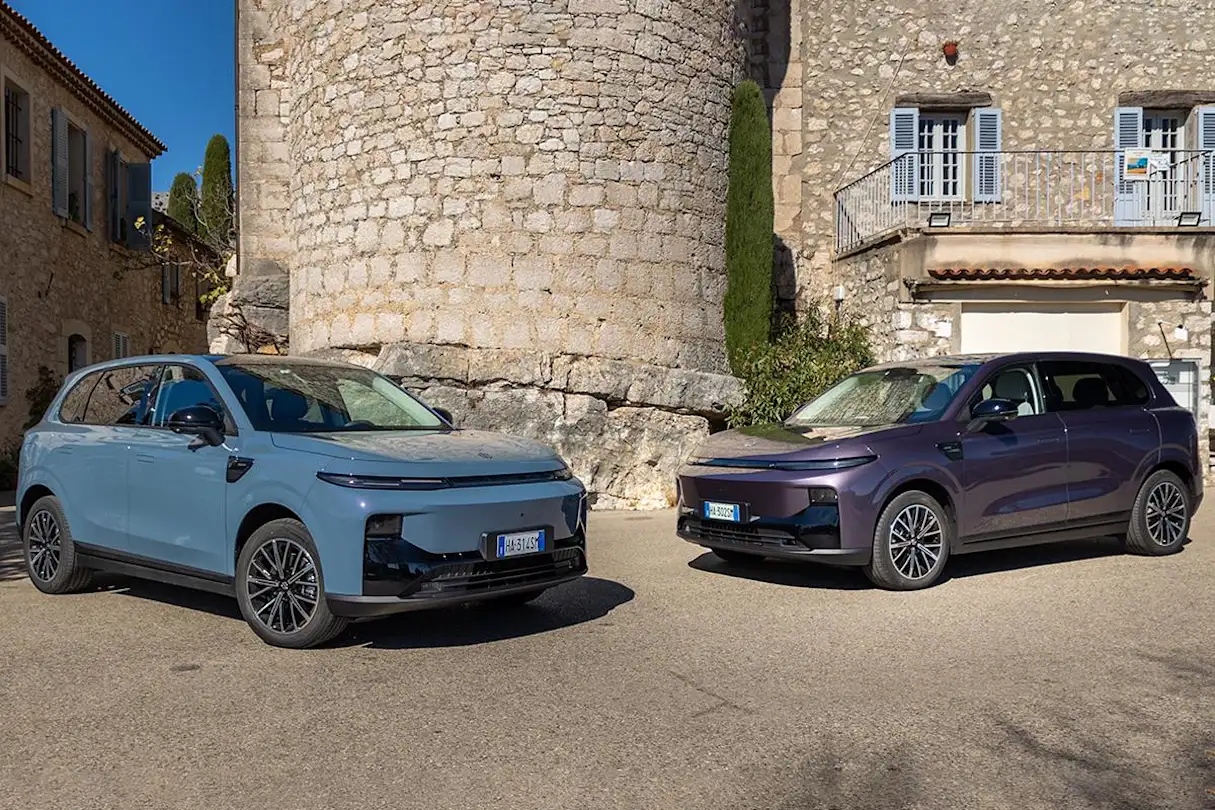
2026 Leapmotor B10 electric compact SUV front three-quarter studio shot
⚡ Quick Verdict
The 2026 Leapmotor B10 has landed in Australia with a rear-drive platform that genuinely impressed us, class-leading charging speeds, and a cabin so spacious it makes most sub-$45,000 electric SUV rivals look stingy. It’s not perfect. Budget tyres, overly chatty safety alerts, and front seats that need better bolstering hold it back, but none of those are deal-breakers and most can be sorted after purchase or via an over-the-air update. Spend the extra $3,000 on the Design Long Range and you’re looking at one of the strongest value plays in the Australian EV market right now.
## What Is the 2026 Leapmotor B10?
✓ The Good
- +Impressive rear-drive chassis with multi-link suspension
- +Design LR offers 434 km WLTP range for just $41,990
- +168 kW DC charging doubles the BYD Atto 3’s peak rate
- +Spacious cabin with 515 L boot and huge panoramic roof
- +Wireless Apple CarPlay, 12-speaker audio, 14.6" 2.5K screen
- +Linglong tyres badly underserve the chassis’s potential
- +Overly intrusive safety-system chimes need software tuning
- +Front seats lack under-thigh support for taller occupants
- +Manual mirror adjustment feels out of place in 2026
✗ The Trade-offs
- −Linglong tyres badly underserve the chassis’s potential
- −Overly intrusive safety-system chimes need software tuning
- −Front seats lack under-thigh support for taller occupants
- −Manual mirror adjustment feels out of place in 2026
📑 In This Review
- What Is the 2026 Leapmotor B10?
- Design and Exterior
- Interior, Tech and Practicality
- Performance and Driving
- Range, Battery and Charging
- How the 2026 Leapmotor B10 Compares to Rivals
- 2026 Leapmotor B10 vs BYD Atto 3: Which Is Better?
- Which one suits you best?
- Safety and Warranty
- Who Should Buy the 2026 Leapmotor B10?
- Verdict
The 2026 Leapmotor B10 has landed in Australia with a rear-drive platform that genuinely impressed us, class-leading charging speeds, and a cabin so spacious it makes most sub-$45,000 electric SUV rivals look stingy. It’s not perfect. Budget tyres, overly chatty safety alerts, and front seats that need better bolstering hold it back, but none of those are deal-breakers and most can be sorted after purchase or via an over-the-air update. Spend the extra $3,000 on the Design Long Range and you’re looking at one of the strongest value plays in the Australian EV market right now.
What Is the 2026 Leapmotor B10?
Leapmotor probably isn’t a name you recognise yet, but the brand has grown rapidly since selling its first vehicle in China in 2019. It’s backed by a joint venture with Stellantis — the multinational behind Jeep, Peugeot, Citroën, and Alfa Romeo — which gives Leapmotor something most Chinese start-ups don’t have: a genuine global distribution channel. Australia is one of the first right-hand-drive Western markets to receive its products, and that Stellantis relationship means there’s an established dealer and service network you can walk into today.
The B10 is the second Leapmotor model to launch here, following the larger C10 SUV that arrived earlier and received a mixed reception, largely because of its undercooked infotainment software. The B10 sits beneath it in the range as a compact electric SUV aimed squarely at the BYD Atto 3, MG ZS EV, and the incoming Jaecoo J5 EV. It’s built on the newer LEAP 3.5 architecture, which brings noticeable improvements in weight distribution, suspension sophistication, and software maturity. Pricing starts at $37,888 (MRLP) or an introductory $38,990 drive-away for the Style, climbing to $40,888 MRLP ($41,990 drive-away) for the Design Long Range. That slots the B10 into one of the most fiercely contested price bands in the Australian new-car market. A range-extender hybrid variant is also on the way from $37,888 with a claimed combined range of around 900 km, broadening the B10’s appeal for buyers not yet ready to go fully electric.
Design and Exterior
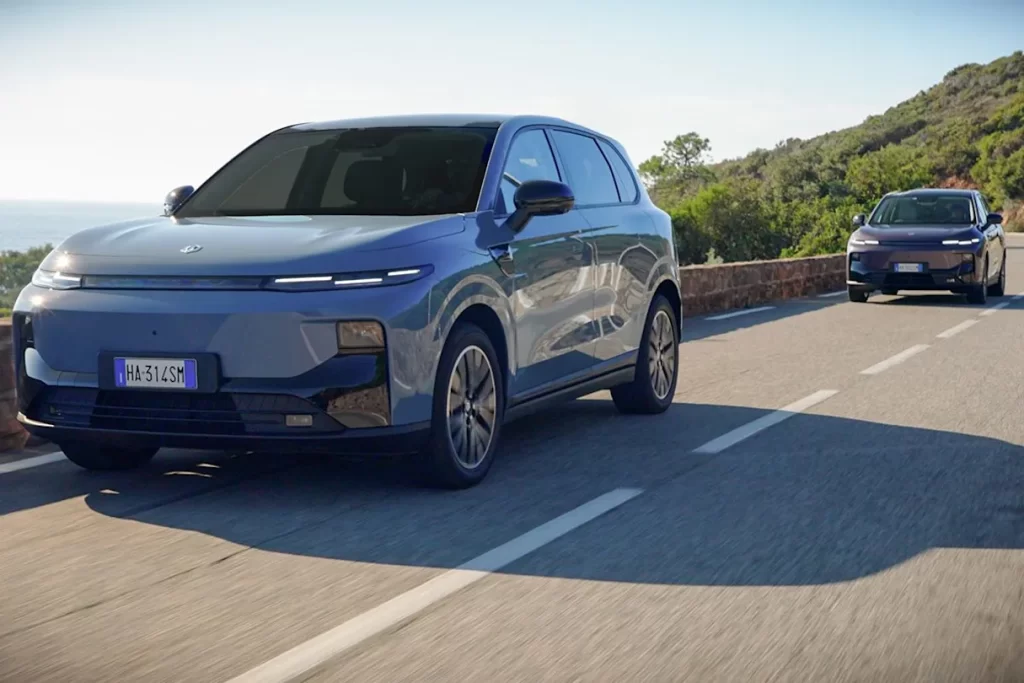
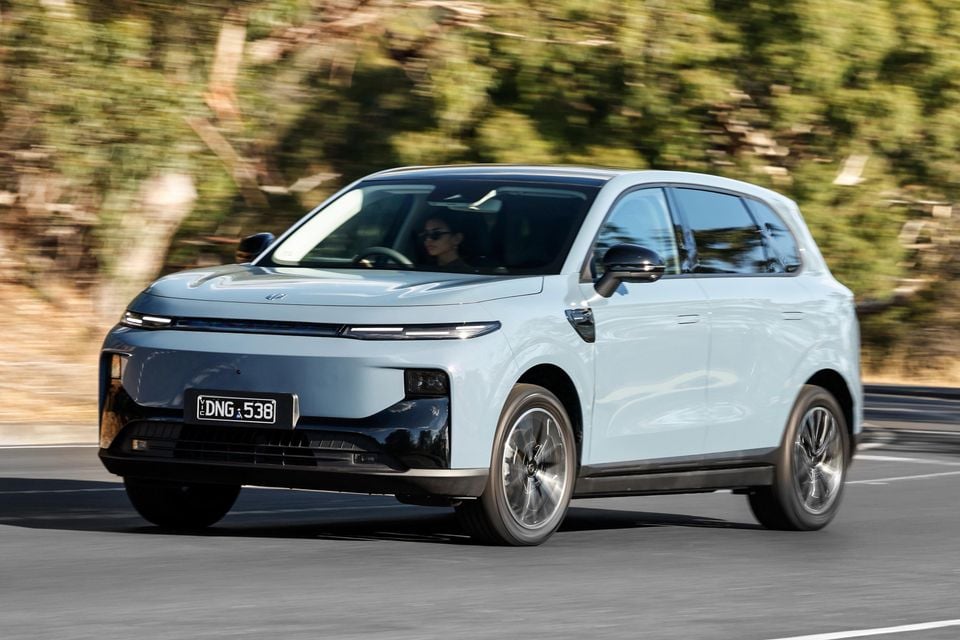
At 4,515 mm long, 1,885 mm wide, and 1,655 mm tall, the B10 sits on the larger end of what most people would call a "compact" SUV. It’s got genuine road presence, helped by a clean design language that avoids the overwrought styling cues some Chinese manufacturers go for. Slim LED headlamps flow into a closed-off grille panel up front, while a full-width light bar at the rear gives the B10 a distinctive night-time signature. The proportions are balanced and modern. In our eyes, it looks more expensive than its price tag suggests.
The Design Long Range rides on staggered 19-inch alloys: 225/50 R19 at the front and 235/50 R19 at the rear. That 10 mm increase in rear tyre width nods to the B10’s rear-drive layout and near 50:50 weight distribution, a configuration more commonly associated with premium European performance cars than a $42,000 Chinese EV. Colour options span a range of muted metallics and whites, all of which suit the understated design. The flush-fitting door handles are a nice touch for aerodynamics and aesthetics, though they rely on an NFC card or phone-as-key to unlock, which takes some getting used to.
Interior, Tech and Practicality
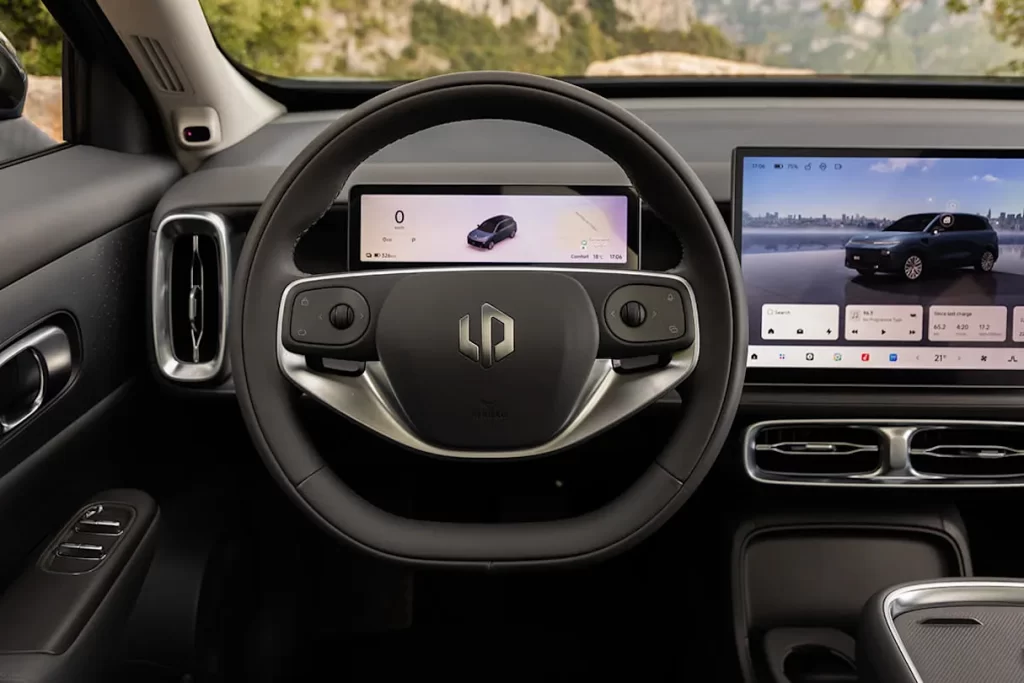
Step inside and the B10 immediately impresses with its sense of space. The 2,735 mm wheelbase translates to genuinely generous rear legroom; even at 180 cm tall, there’s ample headroom and toe room despite the floor-mounted battery pack. The rear bench is, oddly enough, one of the most comfortable spots in the car — the slightly elevated seating position and well-judged cushion angle mean passengers settle in naturally. You get two rear air vents (mounted on the same vertical axis but independently adjustable), a USB-C port, a USB-A port, map pockets, and a fold-down centre armrest with cupholders. There’s even a clever suction-plate insert that holds a small bowl for young children — a thoughtful detail that speaks to the B10’s family-friendly brief. The panoramic glass roof is a standout feature that floods the cabin with light. It doesn’t open, but an electric blind can block harsh sun. Activating it requires digging through multiple touchscreen menu layers or using a voice command, though.
The dashboard is dominated by a 14.6-inch floating touchscreen running Leapmotor OS 4.0+. It’s a genuinely good display — crisp 2.5K resolution, responsive touch inputs, and well-organised menus. Wireless Apple CarPlay is supported from launch, with Android Auto promised via a future over-the-air update. An 8.8-inch digital instrument cluster sits ahead of the driver and does its job without fuss. The 12-speaker audio system in the Design Long Range sounds surprisingly full and well-separated for a vehicle at this price. Material quality is a mixed bag: the upper dashboard and door cards get soft-touch synthetic leather, but harder, scratchier plastics appear lower down. Overall, though, it’s a cabin that feels a class above what you’d expect for the money.
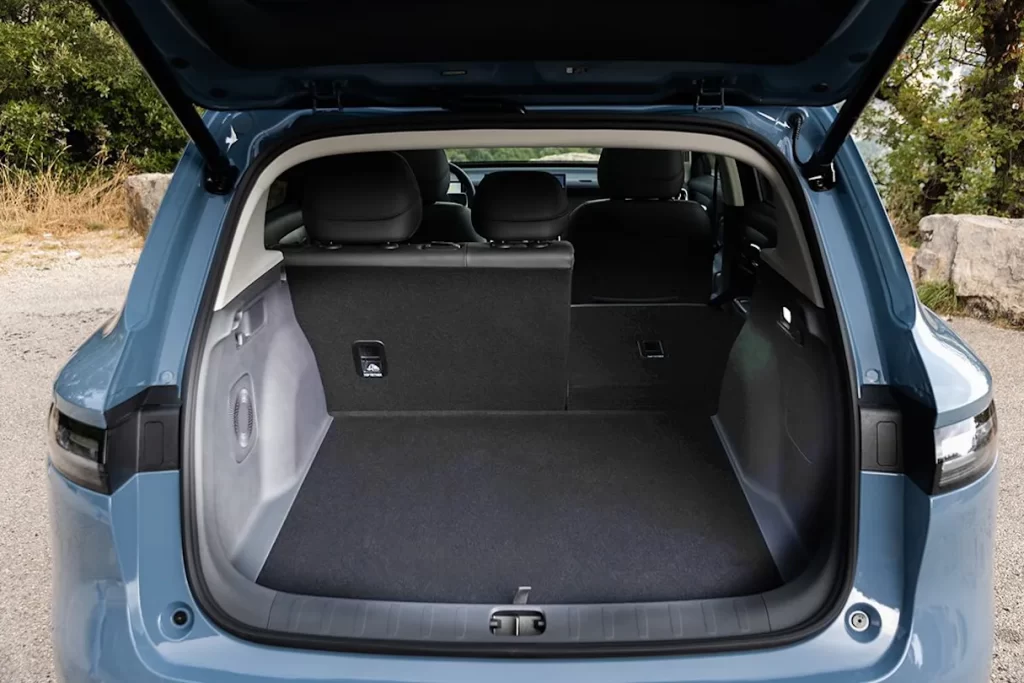
Practicality is a strong suit. The boot measures 515 litres with the rear seats up and expands to 1,310 litres when folded — numbers that embarrass most compact SUV rivals. There’s under-floor storage too. Up front, the centre console offers a wireless charging pad, a pair of nifty hidden cupholders that stow flush into the dash, and a 12-volt outlet alongside USB-A and USB-C ports. The USB-A port can double as a dash-cam recording input, which is a small but welcome touch. Less welcome is the manual adjustment for the door mirrors — an odd cost-cutting decision on an otherwise well-equipped vehicle. The front seats, trimmed in synthetic leather with heating and ventilation on the Design grade, look the part but lack under-thigh support. Taller drivers in particular will notice the short squab and may struggle to get comfortable over longer stints.

Performance and Driving
Under the skin, the B10 is more technically ambitious than its price tag suggests. A single rear-mounted electric motor produces 160 kW and 240 Nm, driving the rear wheels exclusively. The motor itself weighs just 60 kg. The 0–100 km/h sprint takes 8.0 seconds, which is adequate rather than thrilling, but the way the B10 delivers its power feels smooth and linear. Unlike many Chinese EVs that default to a soft, disconnected driving experience, the rear-drive layout and near 50:50 weight distribution give it a fundamentally well-balanced platform.
The suspension is a genuine highlight. Rather than the torsion-beam rear axle common at this price point, Leapmotor has fitted a multi-link independent rear setup that delivers a more controlled, composed ride. Over bumps and undulations, the B10 soaks up imperfections with a suppleness that feels almost European. It rides softly, yet it never feels floaty or disconnected — a difficult balance that many more expensive vehicles fail to strike. Body roll is present through corners, as you’d expect from a softly sprung compact SUV, but the chassis communicates enough to let you place the car with confidence.
There’s a significant caveat, though: the tyres. The B10 ships on Linglong Sport Master rubber, and they’re the weakest link in what is otherwise an impressive chassis package. The tyres lack the grip to exploit the rear-drive balance, inducing understeer — the one thing a rear-wheel-drive car shouldn’t do. Budgeting for quality replacement tyres after purchase would unlock a meaningfully better driving experience. On the positive side, the steering is well-weighted and the regenerative braking offers multiple levels of adjustment, allowing one-pedal driving in its strongest setting. One persistent annoyance: the B10 always starts in Comfort mode, which caps power and torque, meaning you have to switch to a sportier setting every single ignition cycle. The safety systems, while thorough, are calibrated with overly enthusiastic chimes and warnings that trigger far too frequently during normal driving. It’s a software issue that could likely be resolved via an OTA update, but right now it detracts from the ownership experience.
Range, Battery and Charging
The B10 is offered in Australia with two battery options, both using lithium iron phosphate (LFP) chemistry that can be safely charged to 100 per cent regularly without the degradation concerns of nickel-based cells. The entry-level Style pairs a 56.2 kWh pack with a 361 km WLTP range — adequate for urban duties but limiting on longer regional trips. The Design Long Range is the smarter buy, lifting capacity to 67.1 kWh and WLTP range to 434 km. In our real-world driving on a 38°C day, energy consumption stayed impressively frugal, sitting under 14 kWh/100 km on a predominantly highway route.
Charging is where the B10 pulls well clear of its closest rival. DC fast-charging peaks at 168 kW on the Design Long Range (around 84 kW on the Style), enabling a 30–80 per cent top-up in roughly 20 minutes under ideal conditions. That’s approximately double the peak DC rate of the BYD Atto 3, and it makes a tangible difference on road trips. AC charging is handled at 11 kW via a three-phase connection, translating to an overnight charge from empty. Vehicle-to-load (V2L) capability is also included, letting the B10 power external appliances — useful for camping, tailgating, or as a backup power source during outages.
How the 2026 Leapmotor B10 Compares to Rivals
The compact electric SUV segment in Australia is heating up fast, and the B10 enters the fray with a compelling blend of range, charging speed, and value. Here’s how it stacks up against the key players on paper.
| Model | Price (from, MRLP) | Power | Range (WLTP) | 0–100 km/h | Boot |
|---|---|---|---|---|---|
| 2026 Leapmotor B10 Design LR | $40,888 | 160 kW RWD | 434 km | 8.0 s | 515 L |
| BYD Atto 3 Essential | $39,990 | 150 kW FWD | 410 km | 7.3 s | 440 L |
| BYD Atto 3 Premium | $44,990 | 150 kW FWD | 480 km | 7.3 s | 440 L |
| Jaecoo J5 EV | $36,990 (est.) | 155 kW FWD | 370 km | ~7.5 s | 420 L |
| MG ZS EV Long Range | $39,990 | 130 kW FWD | 440 km | 8.2 s | 448 L |
The B10 Design Long Range lands in the sweet spot. It undercuts the BYD Atto 3 Premium by over $4,000 while offering comparable range, vastly superior charging speeds, more boot space, and a rear-drive layout that’s fundamentally more engaging to drive. The MG ZS EV Long Range matches it on range but gives away 30 kW of power and can’t match the Leapmotor’s charging rate or cabin tech. The Jaecoo J5 EV is cheaper still, but its shorter range and unknown local warranty provisions make it a harder recommendation at this stage.
For buyers prioritising outright range at the lowest possible cost, the BYD Atto 3 Premium remains king of the segment with its 480 km WLTP figure. But if you value fast charging, a spacious boot, and a more engaging rear-drive chassis, the B10 Design Long Range is arguably the better all-rounder.
2026 Leapmotor B10 vs BYD Atto 3: Which Is Better?
This is the head-to-head that matters most to Australian EV shoppers right now. The Leapmotor B10 and BYD Atto 3 occupy almost identical price bands and target the same buyer: a family or individual looking for their first affordable electric SUV. Let’s break it down across the key categories.
**Price and positioning.** The B10 Style starts at $37,888 (introductory $38,990 drive-away), putting it a couple of thousand below the BYD Atto 3 Essential at $39,990. Step up to the B10 Design Long Range at $40,888 ($41,990 drive-away) and you’re still comfortably undercutting the Atto 3 Premium’s $44,990. On sticker price alone, the Leapmotor wins.
**Performance and drivetrain.** The B10 sends 160 kW and 240 Nm to the rear wheels; the Atto 3 sends 150 kW and 310 Nm to the front. Despite the BYD’s torque advantage, both reach 100 km/h in a similar timeframe — 8.0 seconds for the Leapmotor, 7.3 for the BYD. Where the B10 scores is its rear-drive layout, near 50:50 weight distribution, and multi-link independent rear suspension. The Atto 3 runs a torsion-beam rear axle, and its front-drive configuration means torque steer under hard acceleration. The Leapmotor’s underpinnings are simply more sophisticated.
**Charging and efficiency.** This is the B10’s strongest differentiator. The Design Long Range charges at up to 168 kW DC — roughly double the Atto 3’s peak rate. A 30–80 per cent session takes around 20 minutes in the Leapmotor versus closer to 45 minutes in the BYD. On a road trip, that difference compounds quickly. Both charge at 11 kW on AC.
**Battery and real-world range.** The Atto 3 Premium edges ahead with its 60.48 kWh BYD Blade battery delivering 480 km WLTP, compared to the B10 Design LR’s 67.1 kWh LFP pack at 434 km. That said, our real-world testing suggests the Leapmotor is remarkably efficient — consumption under 14 kWh/100 km on a highway run in 38°C heat narrows the gap considerably. Both use LFP chemistry and can be charged to 100 per cent daily.
**Interior space and tech.** The B10 is the larger vehicle and it shows. Its 515-litre boot trumps the Atto 3’s 440 litres, and rear legroom is noticeably more generous. The 14.6-inch 2.5K touchscreen is sharper and more responsive than the BYD’s 12.8-inch rotating unit, and the 12-speaker audio in the Design grade sounds richer. The Atto 3 counters with a more supportive driver’s seat and physical air-conditioning controls. Wireless Apple CarPlay is standard on the B10; the Atto 3 offers wired only.
**Ride, handling and on-road feel.** The B10 rides with a composure and suppleness the Atto 3 can’t quite match, thanks in large part to its multi-link rear end. The Atto 3 can feel a little busy over sharp bumps where its torsion beam is exposed. Both are quiet at a cruise, but the Leapmotor’s rear-drive layout gives it a more balanced, predictable cornering stance — when the tyres cooperate, which the factory Linglongs often don’t.
| Spec | Leapmotor B10 Design LR | BYD Atto 3 Premium |
|---|---|---|
| Price from (MRLP) | $40,888 | $44,990 |
| Battery | 67.1 kWh LFP | 60.48 kWh Blade LFP |
| WLTP range | 434 km | 480 km |
| Drive | Rear-wheel drive | Front-wheel drive |
| Motor power | 160 kW | 150 kW |
| Motor torque | 240 Nm | 310 Nm |
| 0–100 km/h | 8.0 s | 7.3 s |
| DC charging peak | 168 kW | 88 kW |
| Boot | 515 L | 440 L |

Which one suits you best?
– **Grab the Leapmotor B10 if** fast DC charging, a larger boot, rear-drive dynamics, and a lower purchase price matter to you — especially in Design Long Range trim. – **Go for the BYD Atto 3 if** you’d prefer a proven ownership track record in Australia, longer WLTP range, more supportive front seats, and you’re OK with slower DC charging. – **Our pick** is the Leapmotor B10 Design Long Range. The charging speed advantage alone makes road trips far more practical, and the price premium over the base Atto 3 Essential is minimal.
Safety and Warranty
The Leapmotor B10 has earned a full five-star Euro NCAP safety rating, with individual scores of 93 per cent for adult occupant protection, 93 per cent for child occupant protection, 84 per cent for vulnerable road users, and 85 per cent for safety assist. ANCAP certification for Australia and New Zealand is expected to follow with a five-star result when the vehicle is formally rated at its November 2025 local launch. Standard safety equipment includes seven airbags, ISOFIX child-seat mounts on the outer rear seats, and a driver monitoring camera.
The active safety suite is extensive: autonomous emergency braking (AEB), lane-keep assist, adaptive cruise control, blind-spot monitoring, rear cross-traffic alert, and a 360-degree camera system with a surprisingly unobtrusive surround-view display. The problem, as we found during testing, isn’t the hardware but the calibration. The systems chime and alert far too frequently during normal driving, to the point where most drivers will be tempted to switch them off. It’s a software calibration issue that Leapmotor can and should address via an over-the-air update.
Warranty coverage is competitive. The vehicle is covered by a six-year or 150,000 km warranty (whichever comes first), while the battery gets an eight-year or 160,000 km guarantee. Servicing is handled through the Stellantis dealer network, which provides a level of after-sales infrastructure that many newer Chinese brands simply can’t match. Complimentary roadside assistance is included for the duration of the warranty period, provided the vehicle is serviced through the Leapmotor network.
Who Should Buy the 2026 Leapmotor B10?
The ideal B10 buyer is an urban or suburban family looking for a well-priced first electric SUV that doesn’t compromise on space, technology, or charging convenience. It suits second-car downsizers stepping out of a mid-size petrol SUV into something more efficient, as well as value-led EV switchers who want the best possible specification for under $42,000. The Design Long Range, in particular, offers a compelling combination of 434 km of range, rapid DC charging, and a spacious, tech-laden cabin that makes it an excellent daily driver and weekend runabout.
Those who should look elsewhere include buyers who regularly tow — the B10 has no rated towing capacity in Australia — those who need a truly cavernous boot for bulky sports equipment or prams without folding seats, and long-distance commuters who genuinely need more than 450 km of real-world range between charges. If you prioritise a plush, well-bolstered driver’s seat for extended highway stints, the BYD Atto 3 or MG ZS EV may suit you better out of the box.
⚡ Our Verdict
Final Take
The 2026 Leapmotor B10 earns a rating of 4.3 out of 5. It arrives in Australia as one of the most convincing affordable electric SUVs we’ve tested — a vehicle that nails the fundamentals of space, range, charging speed, and chassis sophistication while undercutting its closest rivals on price. The LEAP 3.5 platform, with its rear-drive layout, multi-link independent rear suspension, and near 50:50 weight distribution, delivers a driving experience that feels more mature and composed than anything else at this price. It’s not without its flaws. The Linglong factory tyres are the single biggest weak point and should be swapped out as soon as budget allows. The overzealous safety-system chimes, the always-on Comfort mode default, the manual mirrors, and the under-supportive front seats are all niggles — but they’re the kind that can be fixed through software updates or simple aftermarket solutions. At this price, with this level of equipment and this charging speed, the B10 makes a strong case for itself. The BYD Atto 3 still holds an edge in range on the top-spec model and has a more established local presence, but the Leapmotor is the more exciting, more capable vehicle to drive — and that counts for a lot.
FAQs
How much does the 2026 Leapmotor B10 cost in Australia?
The B10 Style kicks off at $37,888 MRLP, or $38,990 on introductory drive-away pricing. Step up to the B10 Design Long Range and you’re looking at $40,888 MRLP ($41,990 drive-away). There’s also a range-extender hybrid variant coming from $37,888.
What is the WLTP range of the Leapmotor B10?
The Style uses a 56.2 kWh LFP battery for a 361 km WLTP range. The Design Long Range ups that to 434 km WLTP with a larger 67.1 kWh LFP pack.
How fast does the Leapmotor B10 charge?
DC fast-charging peaks at 168 kW on the Design Long Range (roughly 84 kW on the Style), which means a 30–80 per cent top-up in around 20 minutes under ideal conditions. AC charging runs at 11 kW through a three-phase connection, good for an overnight charge from empty.
Is the Leapmotor B10 safe?
Absolutely. The B10 has earned a five-star Euro NCAP rating — 93% for adult occupant protection, 93% for child protection, 84% for vulnerable road users, and 85% for safety assist. An ANCAP five-star result is expected at its Australian launch. Standard kit includes seven airbags, AEB, lane-keep assist, adaptive cruise control, and a 360-degree camera.
What is the warranty on the Leapmotor B10?
The vehicle is covered for six years or 150,000 km, whichever comes first. The battery gets an eight-year or 160,000 km warranty. Servicing runs through the Stellantis dealer network with complimentary roadside assistance included.
Is the Leapmotor B10 better than the BYD Atto 3?
The B10 Design Long Range charges at nearly double the DC rate of the Atto 3, offers a larger boot, and costs less. The Atto 3 Premium fights back with longer WLTP range (480 km vs 434 km), more supportive seats, and a stronger local track record. For most buyers, the Leapmotor’s charging advantage and lower price tip the scales in its favour.
When can I buy the Leapmotor B10 in Australia?
You can order one now through Leapmotor’s Stellantis-backed dealer network, with introductory drive-away pricing running from the November 2025 launch. Check with your nearest dealer for stock availability and test-drive bookings.
