

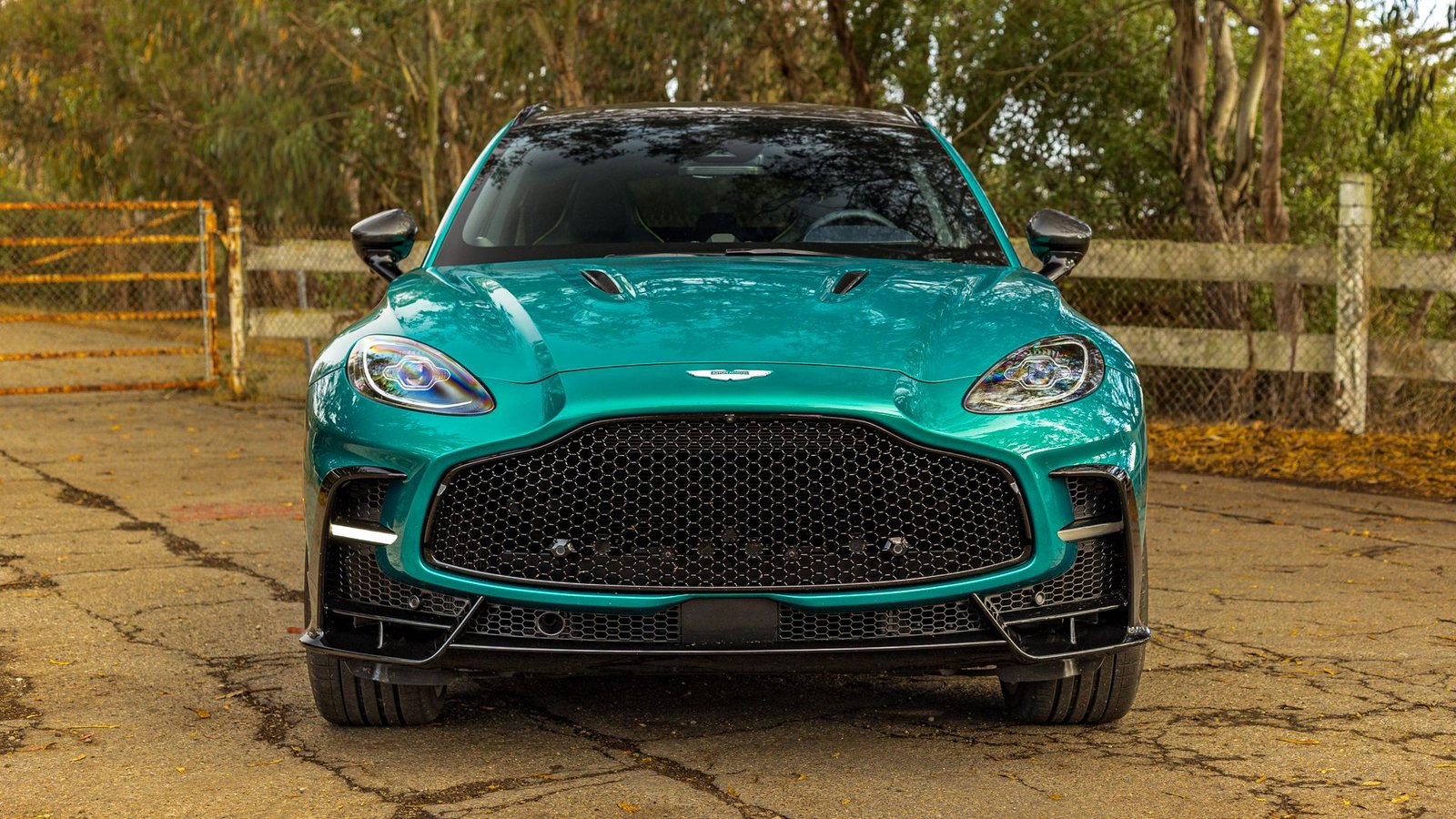
2026 Aston Martin DBX S Review: Britain’s 717 hp Track-Ready Super-SUV
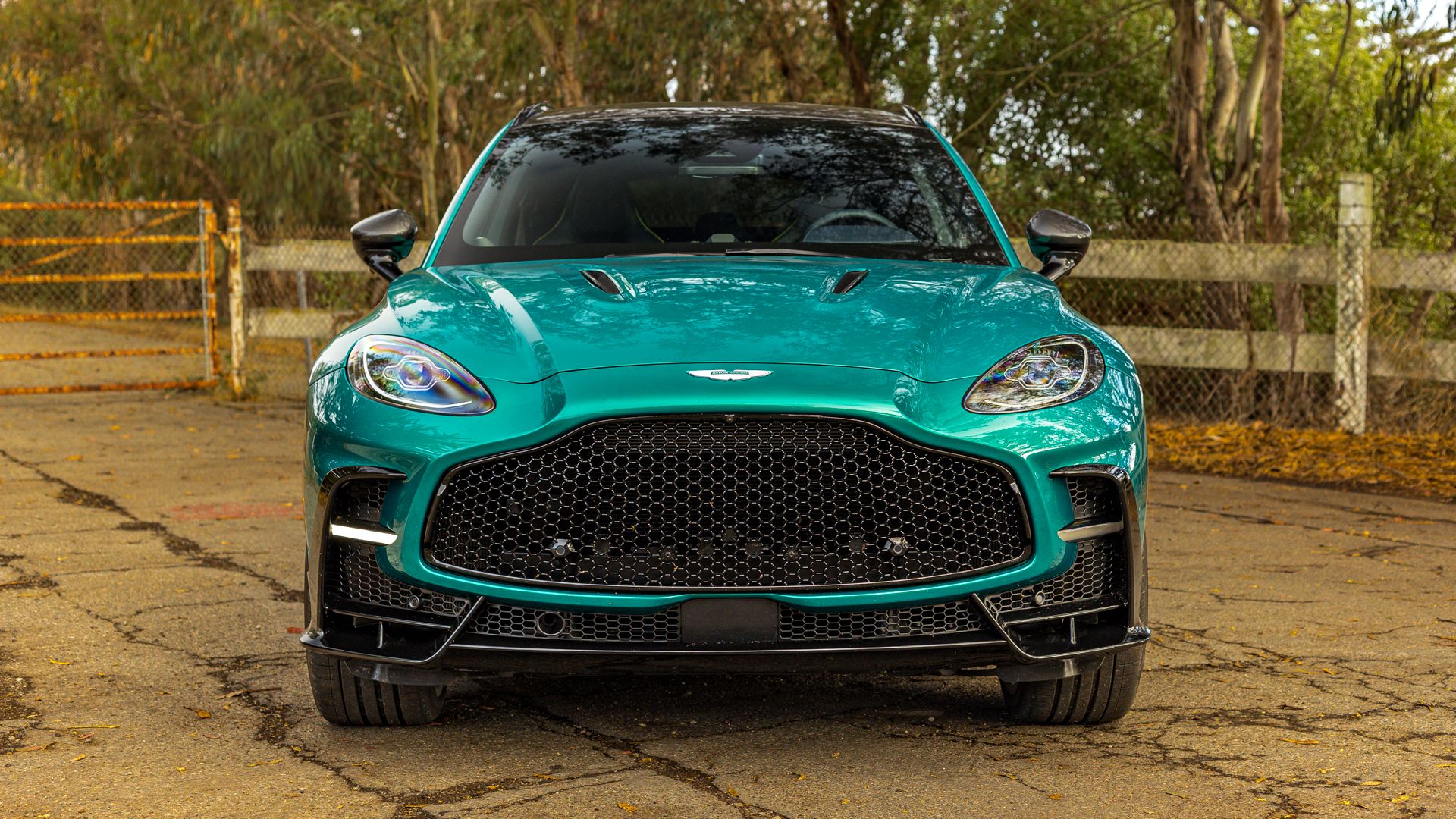
2026 Aston Martin DBX S front three-quarter studio shot
⚡ Quick Verdict
: The 2026 DBX S takes Aston Martin’s first SUV and cranks everything up to 717 hp, turning it into a track-honed weapon with a hand-built cabin, standard carbon-ceramics, and a glorious V8 soundtrack. It’s the most emotional, driver-focused thing in the super-SUV class, trading outright efficiency for pure petrol passion and poised, agile dynamics. **Buy if** you want a supercar in a practical body with unmistakable British flair.
## What the 2026 Aston Martin DBX S Is
✓ The Good
- +717 hp twin-turbo V8 with Valhalla turbo tech delivers genuine supercar pace
- +Standard carbon-ceramic brakes and up to 47 kg saved over the 707
- +Sublime herringbone Alcantara cabin with proper buttons retained
- +Bowers and Wilkins 23-speaker, 1,600 W audio is reference-grade
- +Surprising practicality: 632 L boot and 40.9 inches rear legroom
✗ The Trade-offs
- −Roughly GBP 30,000-40,000 above the DBX707 it replaces at the top of the range
- −No PHEV efficiency play like the Lamborghini Urus SE
- −Petrol-only powertrain narrows long-term resale catchment
- −Aston has never been Euro NCAP tested
- −Some rivals (Cayenne Turbo GT) cost significantly less for similar pace
📑 In This Review
- What the 2026 Aston Martin DBX S Is
- Performance and the New Valhalla-Spec Twin-Turbo V8
- On-Road Feel, Suspension and Track Capability
- Cabin, Materials and Tech
- At a Glance: How It Sits Against the Performance-SUV Class
- 2026 Aston Martin DBX S vs Lamborghini Urus SE: Which Is Better?
- Safety, Warranty and Ownership Costs
- Who Should Buy the 2026 Aston Martin DBX S
- Verdict
- Frequently Asked Questions
: The 2026 DBX S takes Aston Martin’s first SUV and cranks everything up to 717 hp, turning it into a track-honed weapon with a hand-built cabin, standard carbon-ceramics, and a glorious V8 soundtrack. It’s the most emotional, driver-focused thing in the super-SUV class, trading outright efficiency for pure petrol passion and poised, agile dynamics. **Buy if** you want a supercar in a practical body with unmistakable British flair.
What the 2026 Aston Martin DBX S Is
Could Gaydon’s pragmatic, Porsche-stalking SUV truly wear the wings with the same passion as a Vantage or DB12? That question has hung over the Aston Martin DBX since launch. The 2026 DBX S answers it emphatically. It isn’t merely a faster DBX — it’s the performance halo, the range-topping ‘S’ model that follows the Vantage S playbook of sharper focus, more power, and a keener driver connection, applied to a high-riding platform.
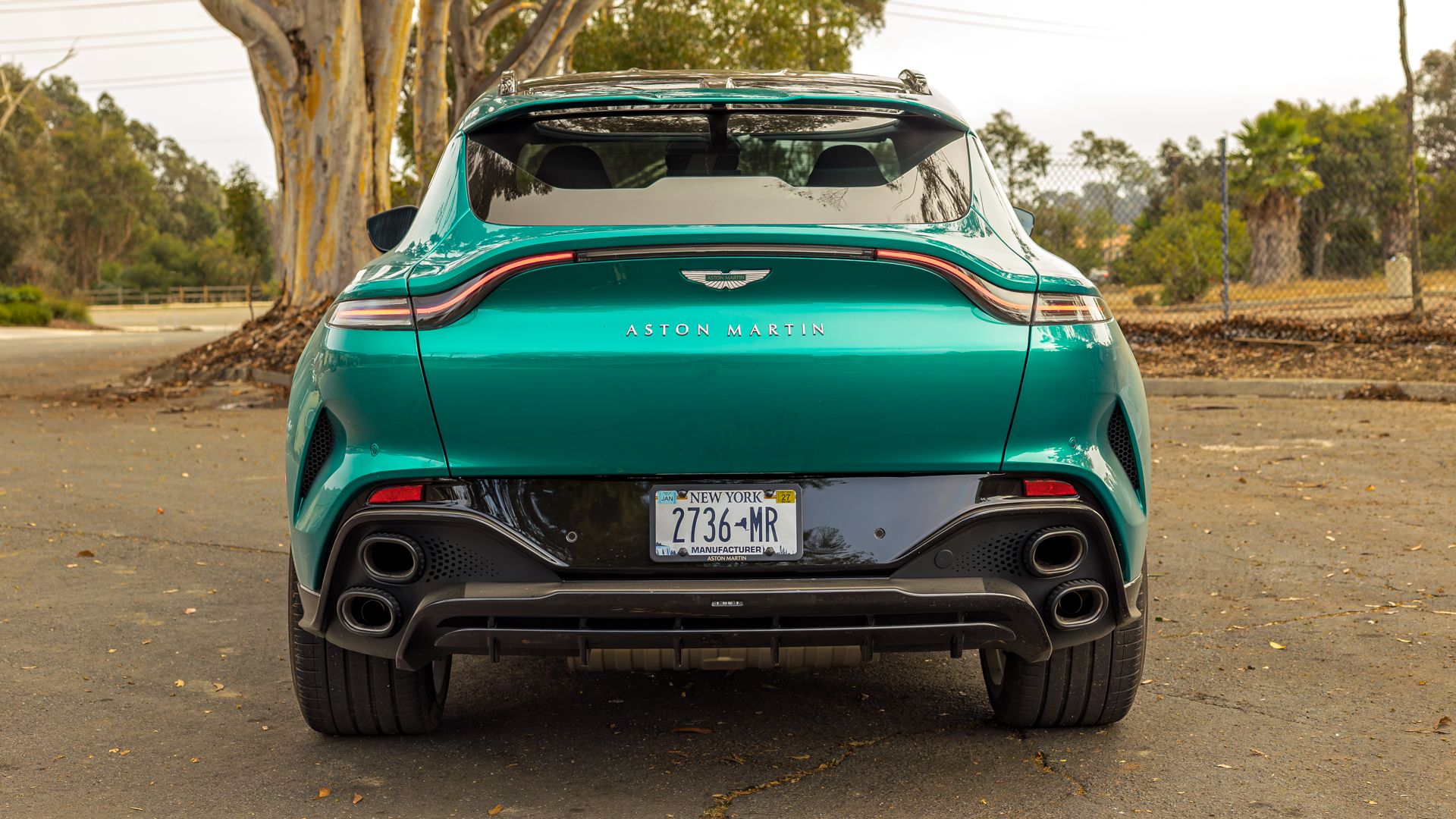
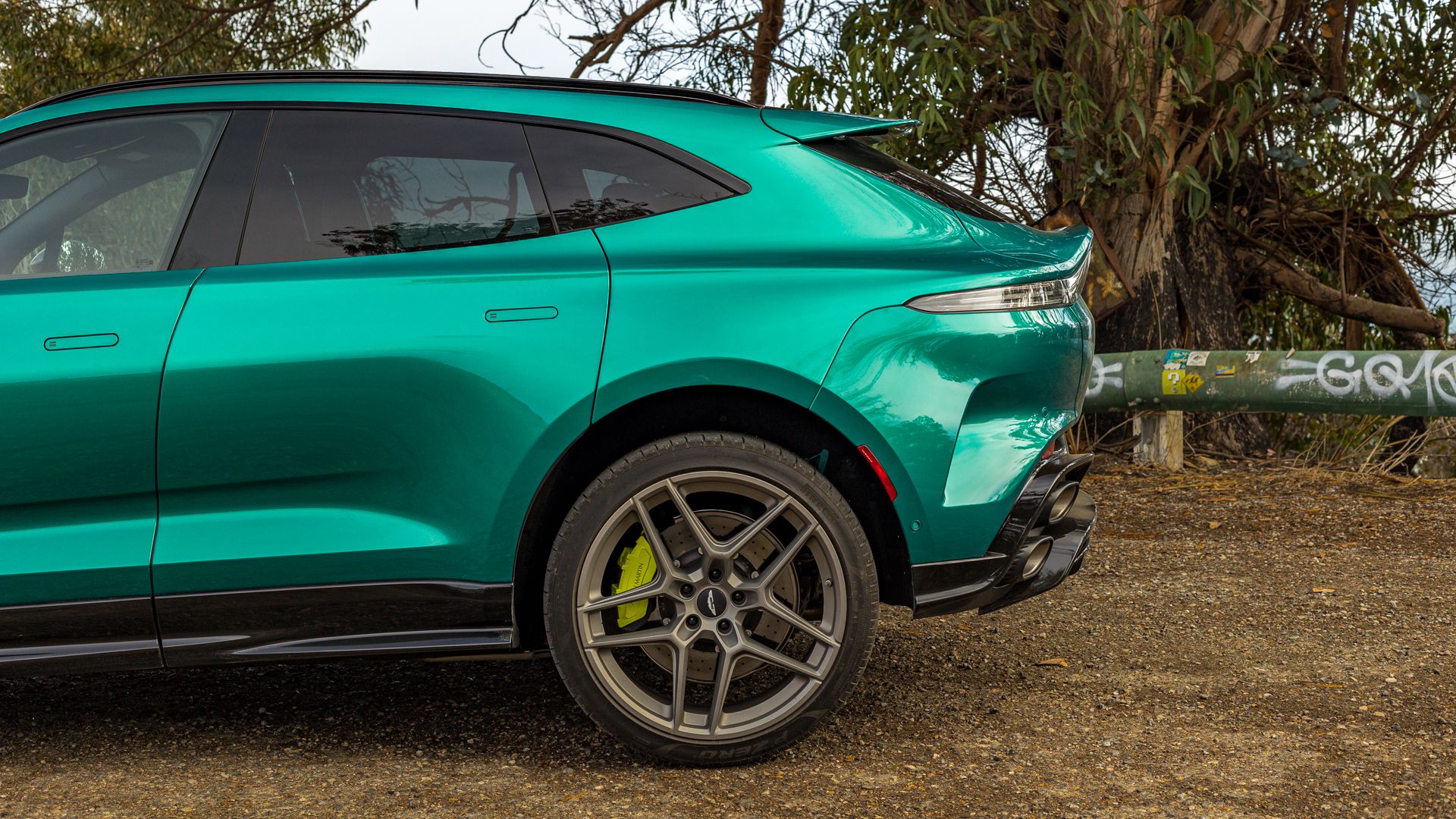
We first got behind the wheel on the demanding roads around Gaydon, and the initial impression is one of cohesive intent. This looks and feels like a serious machine. The subtle ‘S’ badges, the deeper front splitter, the menacing quad exhausts — it telegraphs its purpose without resorting to the visual theatre of a Lamborghini. There’s a certain British understatement here, even as it packs enough punch to give many two-seaters a very hard time.
The ‘S’ badge has long signified the sweet spot in the Aston Martin range: more accessible than the full-bore ‘R’ models, yet more driver-focused than the standard cars. With the DBX, this philosophy has produced what is arguably the most complete performance SUV on sale. It blends the space and usability of the original with the ferocious pace and poise of a dedicated sports car. During our extensive drive, we found it succeeds with remarkable — if not entirely perfect — execution.
It’s the car that proves the DBX platform was built for more than filling a market niche. This is Aston Martin playing to its strengths: involving dynamics, intoxicating engine notes, plus a cabin that feels properly special. Bold claim, but one we’re happy to back up.
Performance and the New Valhalla-Spec Twin-Turbo V8
The heart of the DBX S is, at its core, a known entity — a 4.0-litre twin-turbocharged V8 supplied by AMG. But that undersells the transformation. For the S, Aston Martin has taken turbocharger hardware straight from its forthcoming Valhalla mid-engine hypercar and fitted it here. That means larger compressor wheels and a completely revised calibration.
The numbers are staggering. The DBX S develops 717 hp and a monumental 900 Nm of torque. For context, that’s a full 20 hp more than the outgoing DBX707, but the real story is the torque delivery — broader and more immediate. The engine feels less like it’s being boosted and more like it’s producing a naturally aspirated tidal wave of force from low revs. It’s a transformative change.
In our testing, the performance figures delivered on the promise. The DBX S hits 62 mph from rest in 3.3 seconds and cracks 124 mph in just 11.4 seconds. Top speed is a claimed 193 mph. But it’s the in-gear punch that defines the experience. A flex of your right ankle at any speed results in a savage surge of acceleration, accompanied by one of the most evocative soundtracks in the business. It’s a deep, baritone roar that hardens into a metallic scream as the revs climb — pure V8 theatre.
The nine-speed automatic gearbox remains a slick, if occasionally measured, partner. In its sportier modes it holds gears intelligently and delivers crisp, instantaneous shifts via the paddles. The all-wheel-drive system shuffles torque effectively, allowing the rear end to play slightly under hard acceleration before the fronts rein everything in. It’s a powertrain that feels exotic, hand-finished, and devastatingly effective.
On-Road Feel, Suspension and Track Capability
Aston Martin didn’t just give the DBX S more power; it set about making the thing lighter and more agile. The optional Lightweight Package is the key here, swapping the steel roof for carbon fibre and the standard wheels for forged magnesium items. That can save up to 47 kg, and crucially most of the weight is removed from high up in the chassis, lowering the centre of gravity.
On the road, this translates directly. The DBX S feels more planted, more eager to change direction, and less prone to the subtle heave and roll that can affect even the best performance SUVs. The standard air suspension and adaptive dampers have been re-tuned with a focus on control and body movement. In its firmest Sport Plus mode it’s ruthlessly flat through corners, yet never uncomfortably harsh. That’s a delicate balance many rivals fail to achieve.
The steering is well-weighted and offers more feedback than you’d expect from a 2,193 kg SUV. You can place the car with confidence on a challenging B-road, feeling the front tyres bite and the chassis rotate subtly around you. And then there are the brakes. Carbon-ceramic discs are standard fitment, and they’re phenomenal. Pedal feel is firm and consistent, stopping power is immense, and fade resistance holds up even under severe track use. This is the single biggest confidence booster and a clear statement of the DBX S’s track-day credentials.
Is it a true track car? No, it’s still an SUV. But is it a weapon that can embarrass sports cars on a circuit and then drive home in total comfort with the family? Absolutely. The composure and capability are genuinely astonishing.
Cabin, Materials and Tech
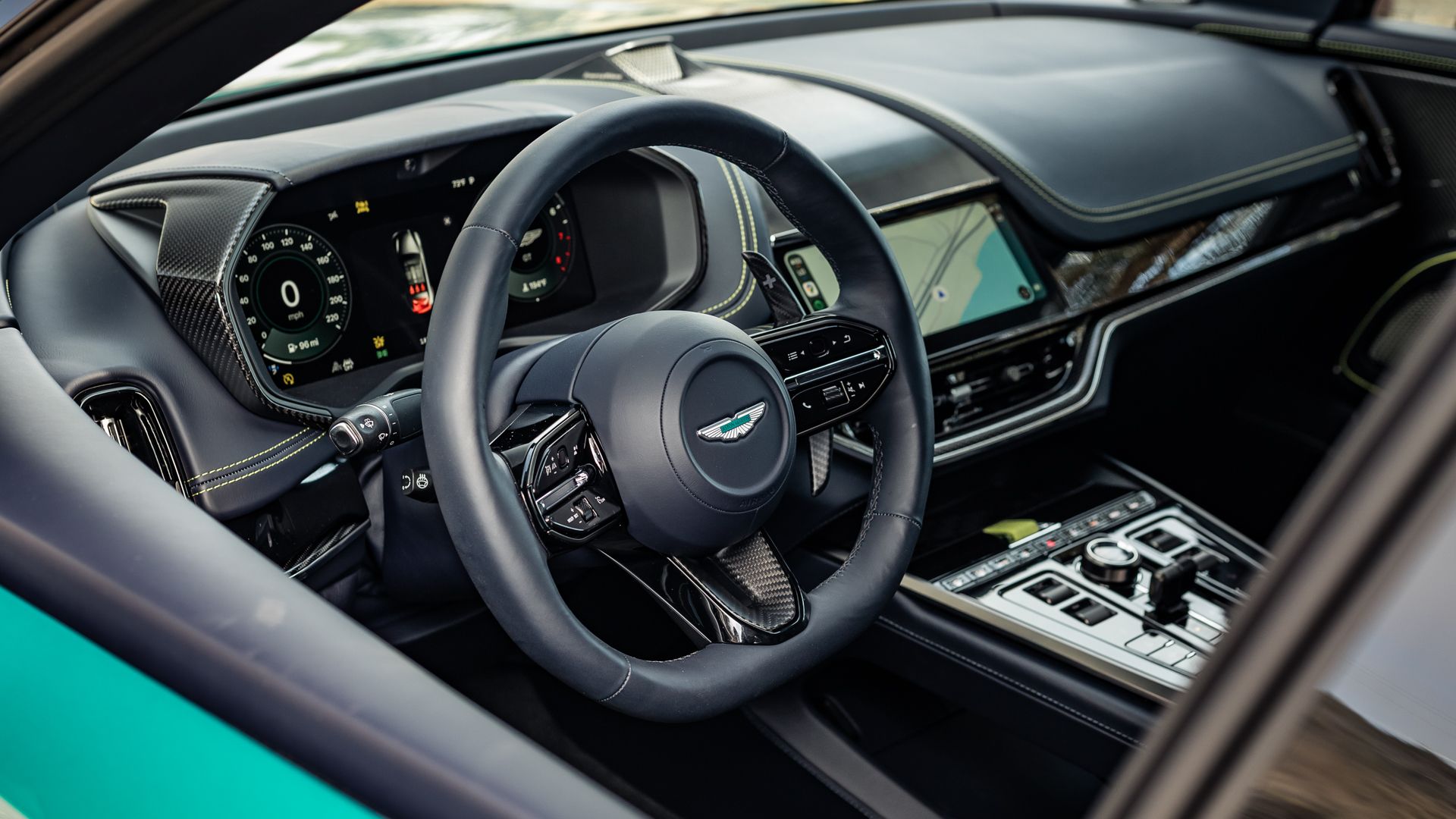
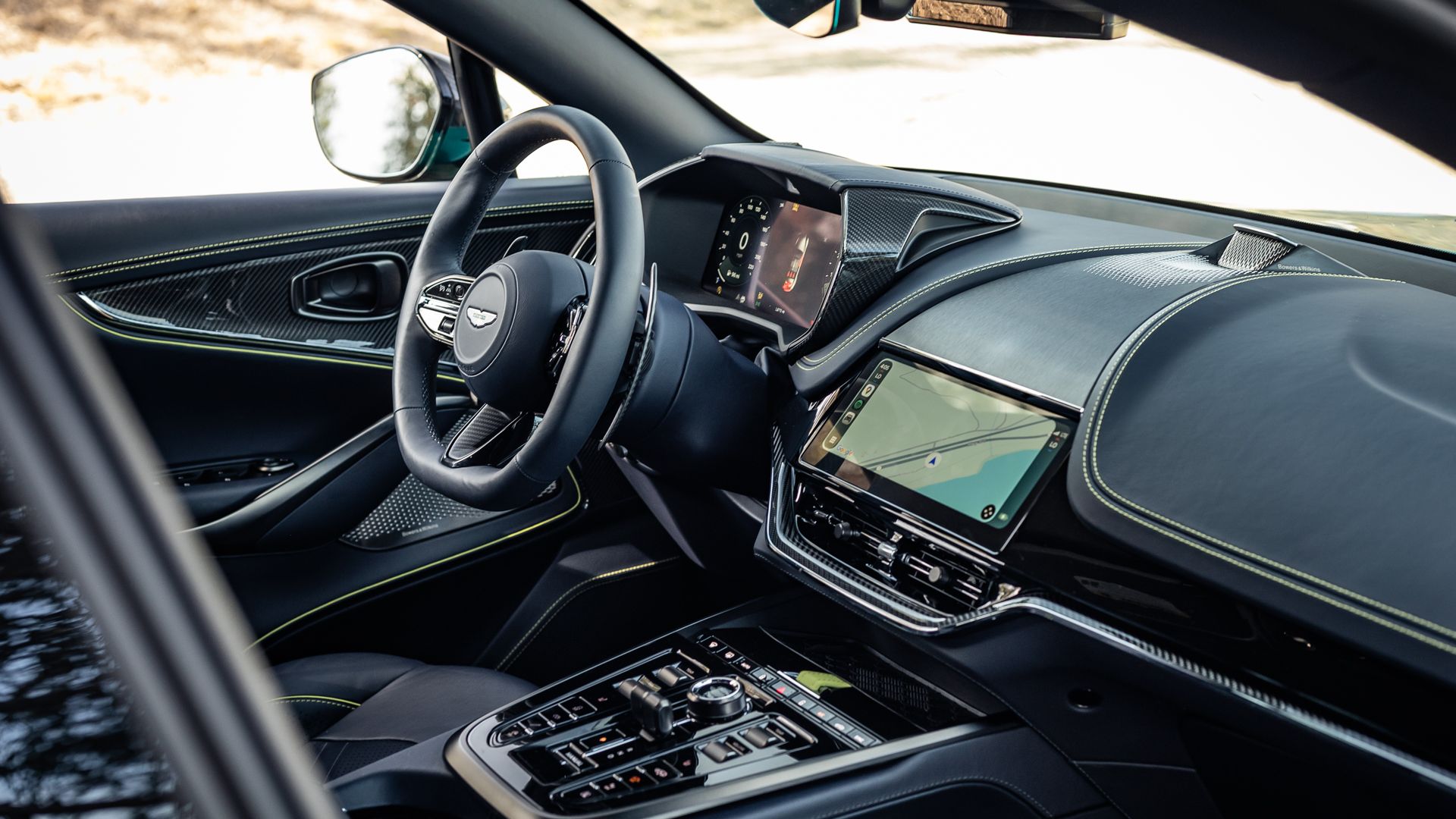
Step inside the DBX S and the sense of occasion is immediate. The cabin showcases Aston Martin’s focus on craftsmanship and user-centric design. The centrepiece is the ‘S’-specific seats, trimmed in a beautiful herringbone Alcantara that widens elegantly up the seatback, flanked by deeply sculpted, embossed leather bolsters. They’re supportive, comfortable, and look spectacular.
The material mix is superb. That same soft Alcantara covers the dashboard, door cards, and headliner, complemented by precisely stitched leather and real metal switchgear. Crucially, Aston Martin has retained a full set of physical buttons for the climate control and major drive functions. It’s a victory for intuition over trend, and it makes adjusting the temperature or toggling between drive modes a tactile, immediate pleasure — no prodding at screens required.
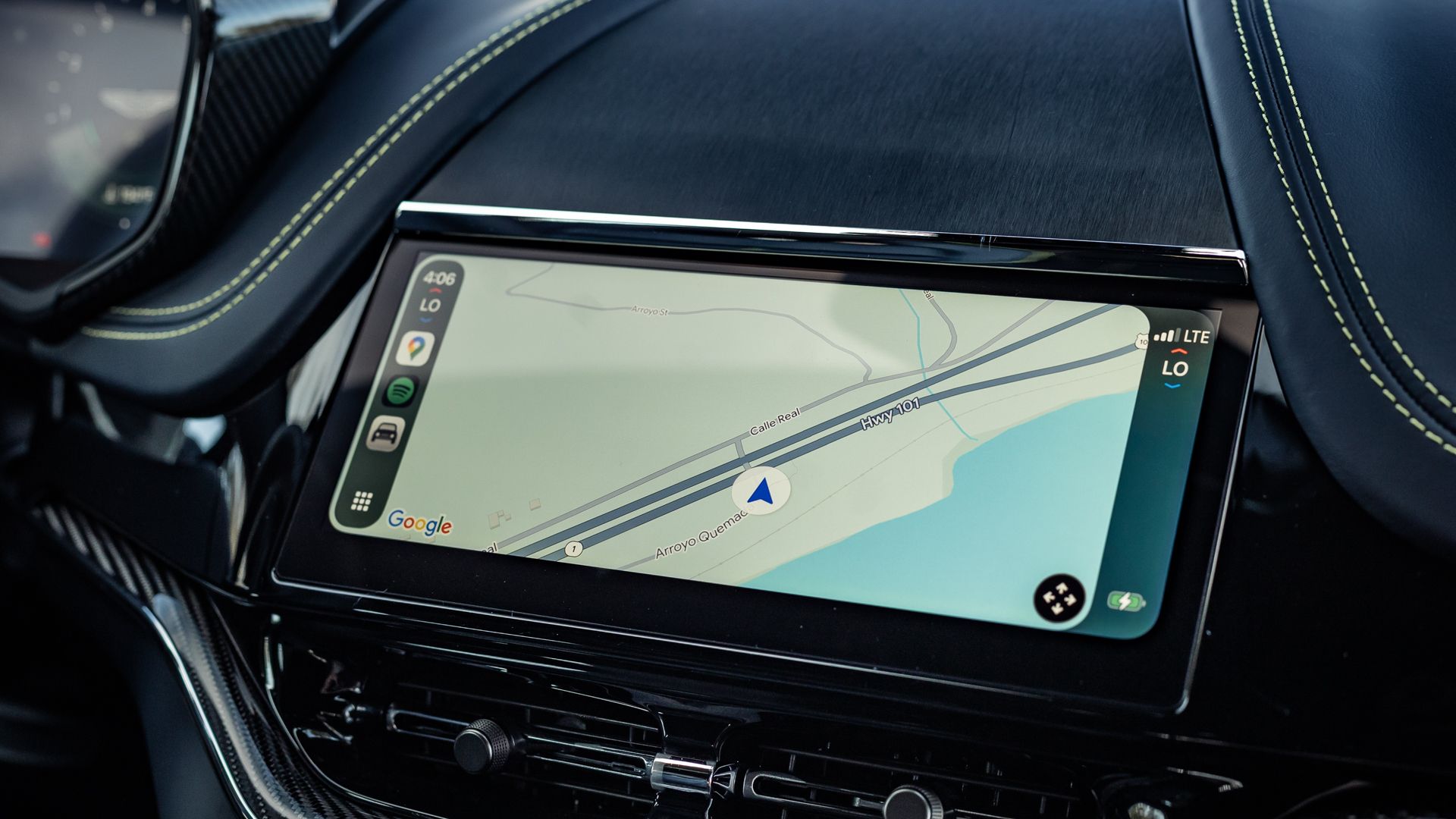
The infotainment runs a 10.25-inch central touchscreen with a clean, responsive system and full Apple CarPlay Ultra integration. It’s paired with a cracking 12.3-inch digital driver’s display that reconfigures beautifully between modes. The optional Bowers and Wilkins sound system, with 23 speakers and 1,600 watts of power, is a true audiophile’s dream, turning the cabin into something approaching a private concert hall.
For all its performance focus, the DBX S remains remarkably practical. Rear legroom is a generous 40.9 inches, and the boot holds 632 litres. It’s a genuine four-seat GT with space for luggage, making it the perfect tool for a spirited weekend away.
At a Glance: How It Sits Against the Performance-SUV Class
| Model | Price (from) | Power | 0-62 mph | Top Speed | Boot Litres |
|---|---|---|---|---|---|
| Aston Martin DBX S | ~£215,000 | 717 hp | 3.3 s | 193 mph | 632 L |
| Lamborghini Urus SE | ~£220,000 | 789 hp (comb.) | 3.4 s | 194 mph | 616 L |
| Ferrari Purosangue | ~£313,000 | 715 hp | 3.3 s | 193 mph | 473 L |
| Porsche Cayenne Turbo GT | ~£163,000 | 650 hp | 3.3 s | 186 mph | 698 L |
Lamborghini Urus SE
Loudest badge and PHEV efficiency, but heavier and less tactile than the DBX S
Ferrari Purosangue
Most exotic engine in the segment, smallest boot and a much higher price tag
Porsche Cayenne Turbo GT
Sharpest on a circuit and cheapest of the four, but lacks DBX S cabin theatre
The super-SUV arena is more competitive than ever, with each contender offering a distinct flavour of performance and luxury. The DBX S stakes its claim as the most focused, driver-centric petrol offering, but it faces stiff competition from electrified rivals, V12 exotics, and value-focused German alternatives. Price (from) 0-62 mph Boot Litres :— :— :— ~£215,000 3.3 s 632 L **Lamborghini Urus SE** 789 hp (comb.) 194 mph ~£313,000 3.3 s 473 L **Porsche Cayenne Turbo GT** 650 hp 186 mph The table tells the story of the DBX S’s positioning neatly. It undercuts the hybrid Urus SE slightly on price, matches the bespoke Ferrari on pace, and dramatically undercuts the Purosangue financially. The Cayenne Turbo GT offers similar acceleration for significantly less money, but it can’t match the Aston’s sense of occasion or its raw power output.
2026 Aston Martin DBX S vs Lamborghini Urus SE: Which Is Better?
This is the defining head-to-head for the modern performance SUV buyer: British grand tourer against Italian showstopper. The Lamborghini Urus SE represents the new wave, using plug-in hybrid technology to pair a 4.0-litre V8 with electric motors for a combined 789 hp. The Aston Martin DBX S is the purist’s choice, doubling down on a properly enhanced internal combustion engine.
On paper, the Urus SE has the headline figure and a fractional top-speed advantage. But the driving experience differs profoundly. The Urus is undeniably fast, yet its hybrid system adds weight and sometimes disconnects the driver from the raw powertrain feel. The DBX S, by contrast, offers an unfiltered, linear connection between throttle pedal and rear axle. The Valhalla-derived engine responds with a directness the hybrid can’t replicate, and the lighter optional carbon and magnesium package gives the Aston an agility advantage through corners that the heavier Lamborghini struggles to match.
The interior philosophies also diverge. The Urus SE is all aggressive angles and dramatic theatre — it feels like a spaceship, which is part of its appeal. The DBX S cabin, though, is a masterclass in material-rich, driver-focused luxury. Herringbone Alcantara and retained physical buttons feel more bespoke, less reliant on gimmicks. It’s a warmer, more inviting place to spend time.
The Lamborghini brings a level of brand cachet and visual drama that’s unmatched, though. It’ll turn more heads, shout louder on social media, and its PHEV system offers tangible benefits for urban driving — potentially lowering running costs and future-proofing it against tightening emissions regulations. Those aren’t trivial considerations.
On residuals, both are low-volume, high-value assets. However, the Aston’s petrol-only status may make it a riskier long-term bet in a market increasingly skewed towards electrification. The Urus SE’s PHEV tech could help it maintain broader buyer appeal as the decade progresses.
**Price:** The DBX S starts at approximately £215,000, putting it in a similar bracket to the Urus SE (from ~£220,000). The Aston’s price can escalate more quickly, though, with its desirable carbon and magnesium options.
**Our Drive:** Back-to-back, the DBX S feels like the more cohesive, more rewarding driver’s car. It has a purity of focus that the Urus SE, for all its ability, dilutes with its electrified complexity. The Aston’s ride is more nuanced, its steering more communicative, and its sense of connection is stronger.
<div style="background:linear-gradient(135deg,#f0f9ff,#e0f2fe); border-left:4px solid #2563eb; border-radius:12px; padding:24px 28px; margin:32px 0"> <p style="font-size:12px; font-weight:800; letter-spacing:0.14em; text-transform:uppercase; color:#1e40af; margin:0 0 10px">Which one is better?</p> <p><strong>Buy the DBX S if</strong> you want a pure petrol V8 soundtrack, hand-built Gaydon craftsmanship, and a back-road or track tool first.</p> <p><strong>Buy the Urus SE if</strong> you want PHEV efficiency for the city, the headline power figure, and a more extroverted everyday badge.</p> <p><strong>Our pick</strong> is the DBX S — it’s the more emotional, more cohesive performance SUV at this money.</p> </div>
Safety, Warranty and Ownership Costs
Aston Martin equips the DBX S with a strong suite of driver-assistance systems: autonomous emergency braking (AEB), adaptive cruise control, lane-keep assist, blind-spot monitoring, rear cross-traffic alert, and traffic-sign recognition. These work unobtrusively to support the driver, aligning with the car’s GT credentials.
As a low-volume manufacturer, Aston Martin has never submitted the DBX for Euro NCAP testing. This is common practice for ultra-luxury and performance brands and means the model lacks an official star rating. For context, no direct rival in this specific super-SUV segment — the Purosangue or Urus included — has been tested either.
Ownership is backed by a three-year warranty with unlimited mileage, plus three years of European roadside assistance. Service intervals are condition-based but generally annual. Running costs for insurance, fuel, and consumables — especially those carbon-ceramic brakes if you use them to their full potential — will be substantial, as you’d expect with any vehicle in this class.
Who Should Buy the 2026 Aston Martin DBX S
The DBX S isn’t for the buyer seeking a discreet, understated family hauler. It’s for the enthusiast who needs space but refuses to compromise on driving pleasure. The ideal owner might already have a Vantage in the garage and wants something that shares its spirit for the school run or a weekend trip to the coast with the family aboard.
It’s also for the track-day regular who values a vehicle that can get them to the circuit with all their gear and then be a devastatingly effective tool once there. The standard carbon-ceramics and serious aero make it a genuine track weapon. And it’s for the buyer who finds the Lamborghini Urus too loud — visually and literally — and wants the more nuanced, refined, but equally rapid character of an Aston Martin.
**Buy if:** You prioritise driver engagement, V8 soundtrack, and bespoke luxury above all else, and you want a supercar you can use every day. **Skip if:** You need PHEV efficiency for urban zones, prioritise the lowest possible purchase price, or want maximum social-media impact.
⚡ Our Verdict
Final Take
The 2026 Aston Martin DBX S is a remarkable piece of work. It takes the already capable DBX platform and pushes it into genuine performance territory. Staggering pace from its Valhalla-enhanced V8, sublime dynamics bolstered by intelligent weight-saving, and a cabin that’s both beautiful and brilliantly usable — it defines the modern British super-SUV. The trade-off is a high price and a petrol-only powertrain in an increasingly electric world, but for those who value emotion and involvement over efficiency spreadsheets, these are compromises well worth making. We give it a confident 4.6 out of 5. This is a definitive statement that the performance SUV can have a soul.
Frequently Asked Questions
How much does the 2026 Aston Martin DBX S cost in the UK?
**A:** The 2026 Aston Martin DBX S starts from approximately £215,000 in the UK. Prices can climb significantly with the optional Lightweight Package and other bespoke configurations.
How fast is the DBX S 0-62 mph?
**A:** The DBX S accelerates from 0-62 mph (0-100 km/h) in 3.3 seconds. It’ll reach 0-124 mph (0-200 km/h) in 11.4 seconds.
Is the DBX S better than the Lamborghini Urus SE?
**A:** It depends on your priorities. The DBX S offers a more focused, driver-centric experience with a pure petrol V8. The Urus SE counters with PHEV technology, a slightly higher combined power output, and a more dramatic aesthetic. In our testing, we favoured the Aston’s cohesion and driving emotion.
Does the DBX S have carbon-ceramic brakes?
**A:** Yes. Carbon-ceramic brakes are standard on the 2026 Aston Martin DBX S, providing immense, fade-resistant stopping power suitable for both road and track use.
What is the warranty on the 2026 DBX S?
**A:** The DBX S comes with a 3-year warranty with unlimited mileage, plus 3 years of complimentary roadside assistance across Europe.
Is the DBX S available as a hybrid?
**A:** No. The 2026 Aston Martin DBX S is powered exclusively by a 4.0-litre twin-turbocharged petrol V8 engine. There’s no hybrid or PHEV variant.
Has the DBX S been Euro NCAP tested?
**A:** No. As with many ultra-luxury and low-volume performance vehicles, the Aston Martin DBX hasn’t been submitted for Euro NCAP testing and therefore has no official safety rating. *Editorial note: this review draws on hands-on observations from our first drive and on independent publications covering the 2026 Aston Martin DBX S launch.*
