

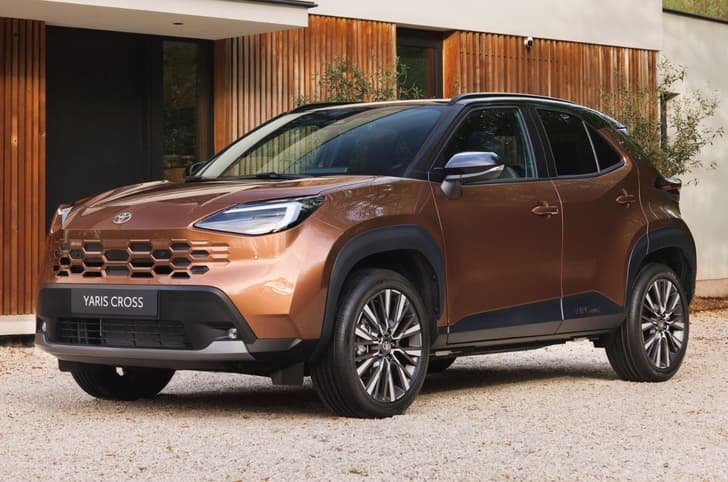
2026 Toyota Yaris Cross Review: Hybrid-Only Facelift Sharpens Its Edge
A highly efficient and polished compact hybrid crossover
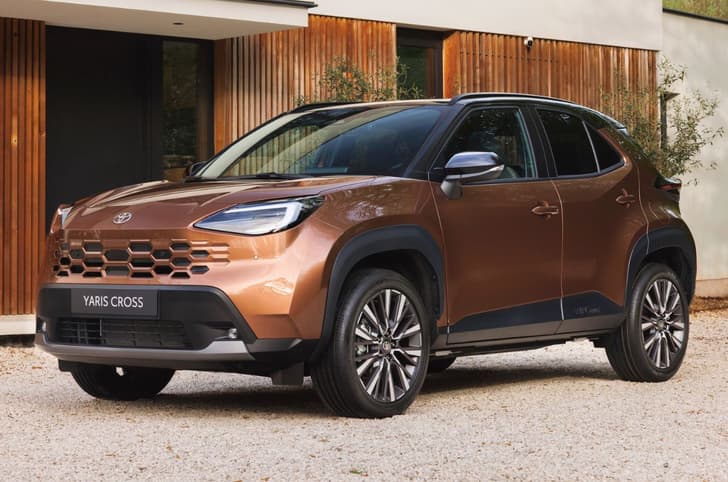
2026 Toyota Yaris Cross facelift front three-quarter view showing new honeycomb grille
Price
~$32,000
Powertrain
1.5L hybrid
⚡ Quick Verdict
: The 2026 Toyota Yaris Cross doubles down on its core appeal with a comprehensive facelift and an exclusively hybrid lineup. It remains a masterclass in sensible, efficient urban commuting, delivering outstanding fuel economy in a practical, easy-to-drive package. While it prioritises comfort over cornering thrills, its sharp new looks, upgraded tech, and available AWD make it a more compelling and complete proposition than ever, solidifying its place at the top of the small-SUV segment.
✓ The Good
- +Exceptional real-world fuel economy from the hybrid system
- +Sharper, more modern design inside and out
- +Improved infotainment with wireless smartphone mirroring
- +Proven Toyota reliability and strong resale value
- +Available all-wheel drive for extra security
✗ The Trade-offs
- −Modest performance, not a sporty drive
- −Interior materials still lean towards durable over plush
- −Boot space reduced in AWD models
- −Some rivals offer more engaging handling
📑 In This Review
- What’s New for 2026
- Design and Exterior Updates
- Inside the Cabin: Tech, Comfort and Quality
- Hybrid Powertrain and Driving Impressions
- Fuel Economy and Real-World Efficiency
- Practicality, Boot Space and Family Use
- At a Glance: How the Yaris Cross Stacks Up
- Toyota Yaris Cross vs Mazda CX-3: Which Is Better?
- Which one is better?
- Safety, Warranty and Ownership
- Verdict: Should You Buy the 2026 Toyota Yaris Cross?
- Buy It If / Skip It If
- Buy It If:
- Skip It If:
- Frequently Asked Questions
Look, if you’re after a small crossover that’ll sip fuel like a hummingbird and never ask for a plug, the 2026 Yaris Cross is your car. Toyota’s given its compact SUV a proper glow-up, ditching petrol-only models and sharpening the whole package. It’s still the sensible shoes of the segment, but now they’re a slicker, comfier pair with a fancy new infotainment system. It won’t set your pulse racing on a winding road, but for the daily grind, it’s a polished, ultra-efficient companion that’s dead-easy to live with.
What’s New for 2026
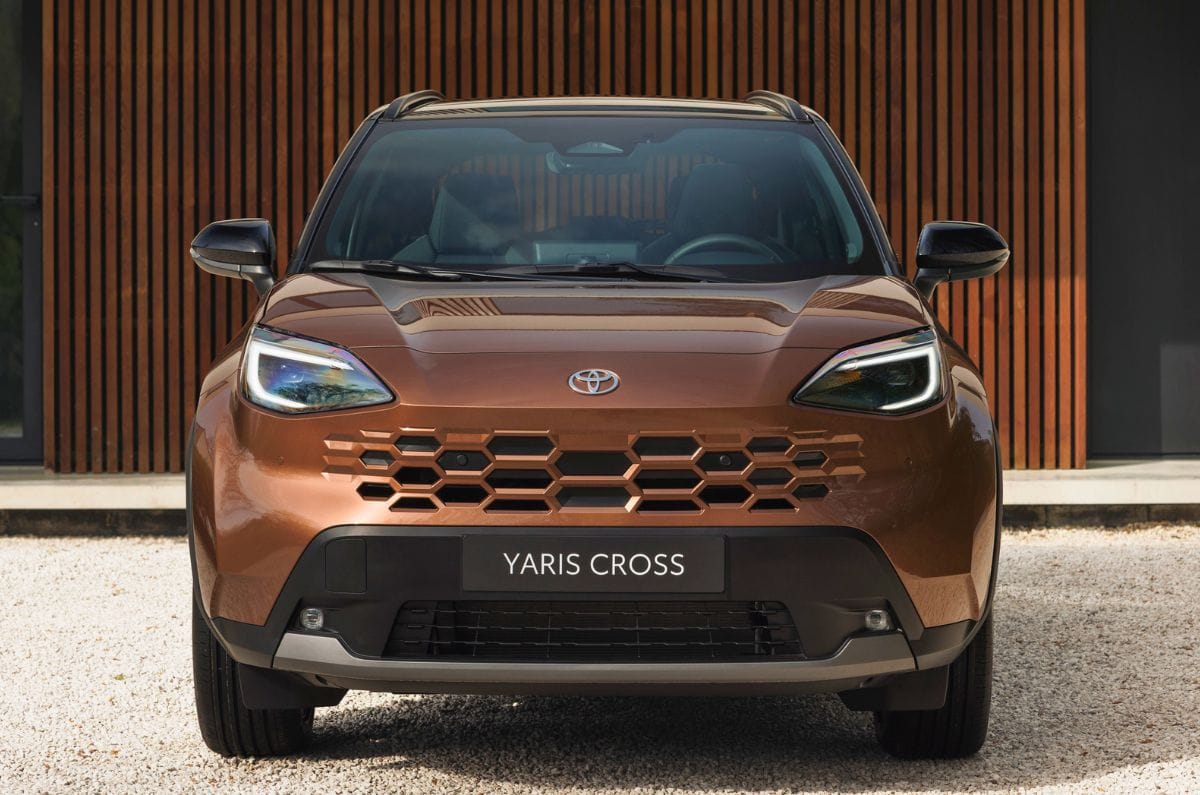
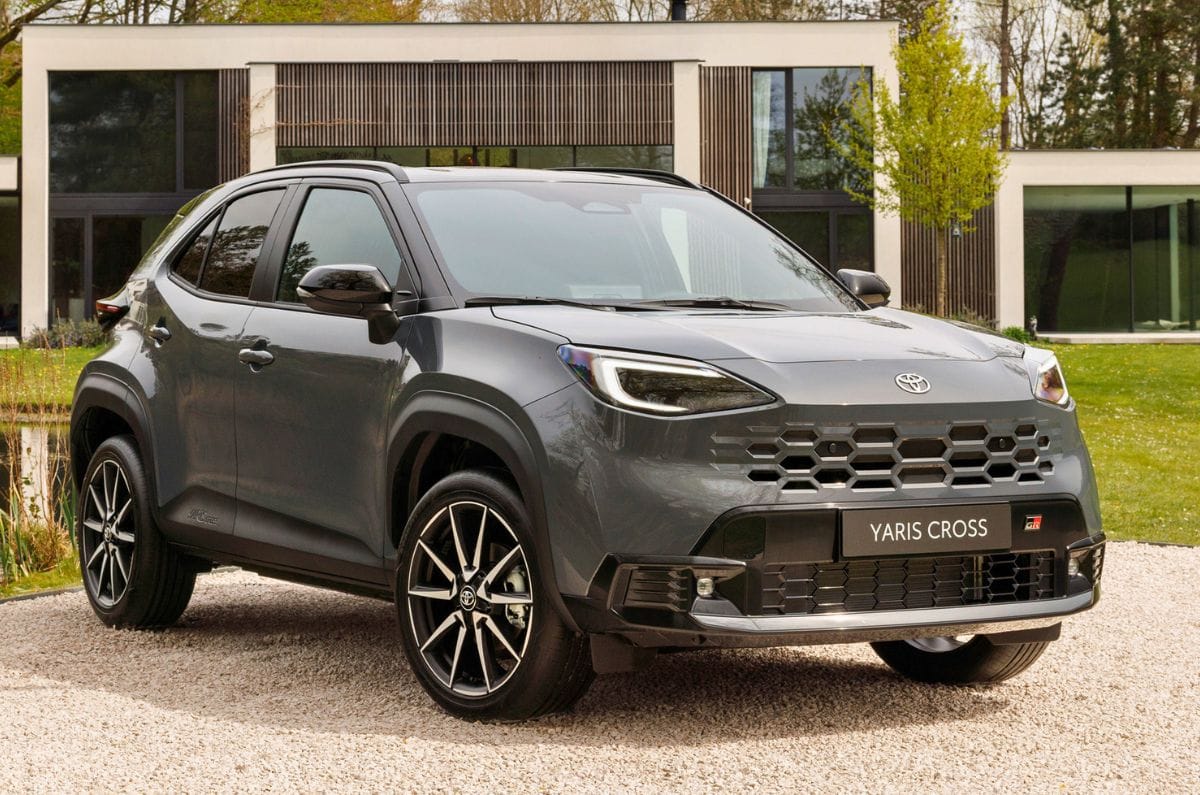
This isn’t just a minor facelift; it’s a strategic pivot. The biggest news is the move to an all-hybrid lineup. Every Yaris Cross you can buy now pairs a petrol engine with electric assistance. Visually, the front end gets a bold redesign with a body-coloured honeycomb grille and sharper LED headlights. The rear lights are new, too. Inside, the dash has been reworked for bigger screens, and the trim levels are now simpler: Mid, Mid+, High, and the sporty GR Sport. You also get fresh alloy wheel designs and a new "Precious Bronze" paint option. Toyota’s also tweaked the suspension and steering to make it ride and handle better.
Design and Exterior Updates
The update does a great job of moving the Yaris Cross on from looking a bit bland. The new front end is the standout, with that clean, body-coloured panel replacing the old grille. It gives the car a much more modern and unified face. The new LED headlights are standard and look sharper, especially on higher trims where they’re linked by a thin chrome bar. From the side, the new 17- or 18-inch alloys fill the wheel arches better. The changes at the back are more subtle, but the new LED taillights have a nicer light signature at night. It’s also worth noting that auto-folding mirrors are now standard, which is a nice touch.
Inside the Cabin: Tech, Comfort and Quality
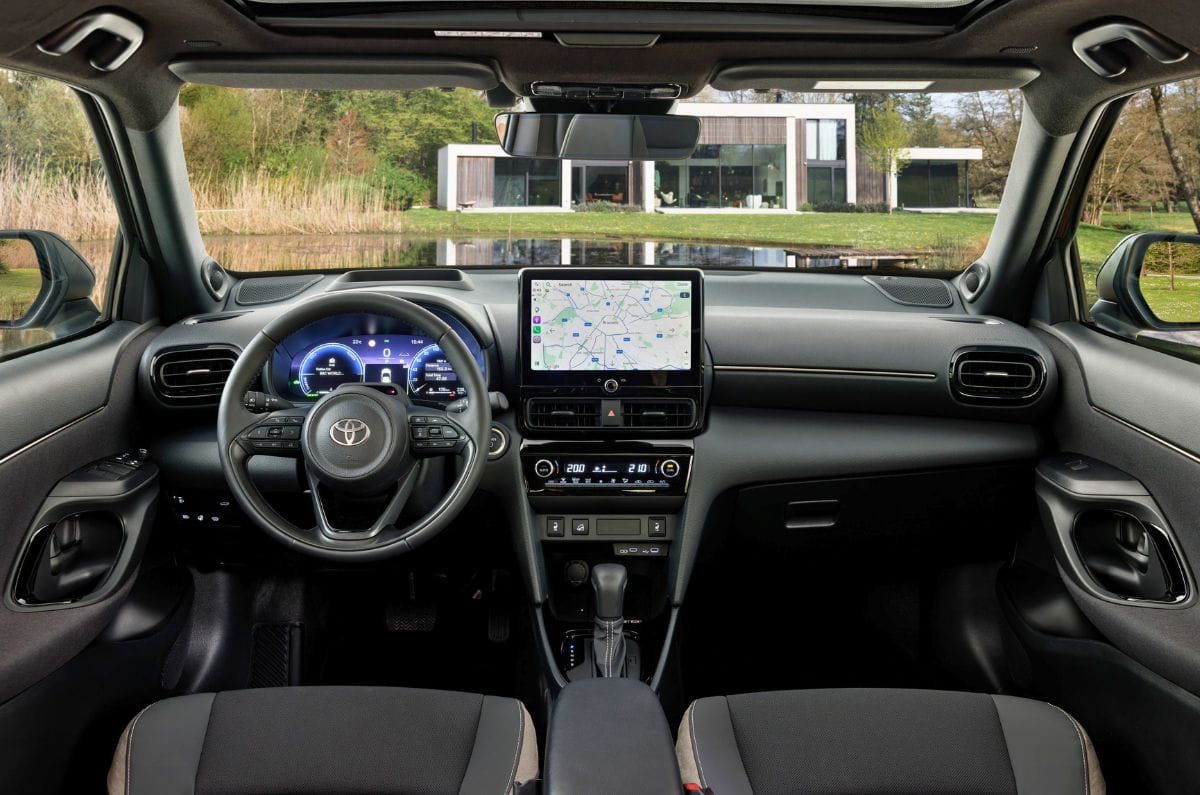
Hop inside and the first thing you’ll clock is the new infotainment screen. The base Mid gets a 9.0-inch unit, but from Mid+ up, you get a crisp 10.5-inch display. Both run Toyota’s latest software, which is a huge step up. More importantly, wireless Apple CarPlay and Android Auto come standard across the board—that’s a massive win for convenience. The driving position is still high and comfortable. Materials are a bit of a mixed bag. You’ll still find hard-wearing plastics on the lower doors and centre console, which makes sense for durability. Higher trims get a new "SakuraTouch" upholstery, a plant-based PVC that feels pretty nice. The overall layout is logical, and the improved ambient lighting on Mid+ adds a bit of class.
Hybrid Powertrain and Driving Impressions
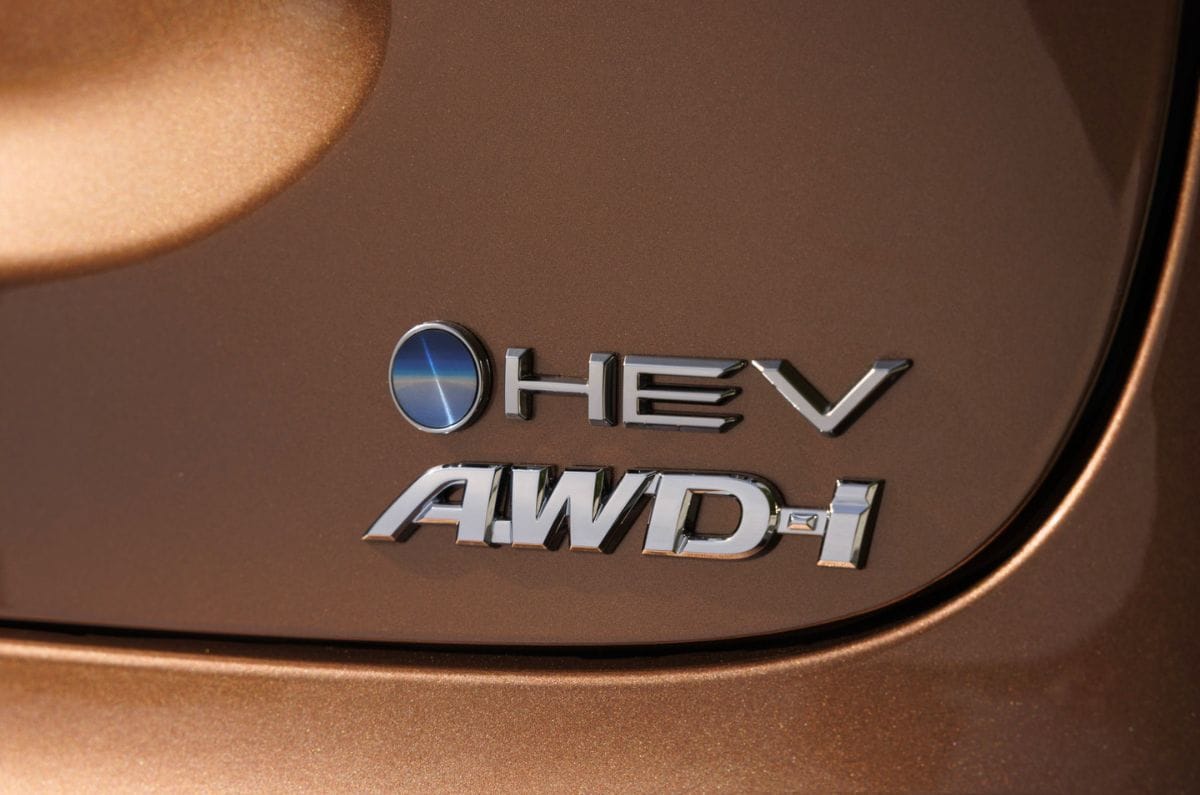
Mechanically, it’s the same effective formula. A 1.5-litre three-cylinder petrol engine works with an electric motor and an e-CVT auto. You can choose the Hybrid 115 (FWD only) or the Hybrid 130 (FWD or AWD). The AWD adds a second electric motor on the rear axle. We found the Hybrid 130 has more than enough punch for city and suburban driving. It’s not fast—the 0-100 km/h dash takes about 11.0 seconds—but the electric motor’s instant response makes it feel zippy off the mark. The e-CVT is one of the best in the business, avoiding that annoying engine drone. The revised suspension does a solid job, smoothing out rough urban roads while staying settled through corners.
Fuel Economy and Real-World Efficiency
This is the Yaris Cross’s party trick. Going all-hybrid was a smart move. Official figures are as low as 4.5 L/100km for the FWD model, which is an outstanding 58.9 mpg. Even the AWD version is rated at around 55 mpg (about 5.1 L/100km). In our real-world driving, we found these numbers very achievable. The hybrid system swaps between petrol and electric power seamlessly and recaptures energy well in traffic. If low running costs and fewer servo stops are high on your list, the Yaris Cross sets a benchmark that most petrol-only rivals can’t touch.
Practicality, Boot Space and Family Use
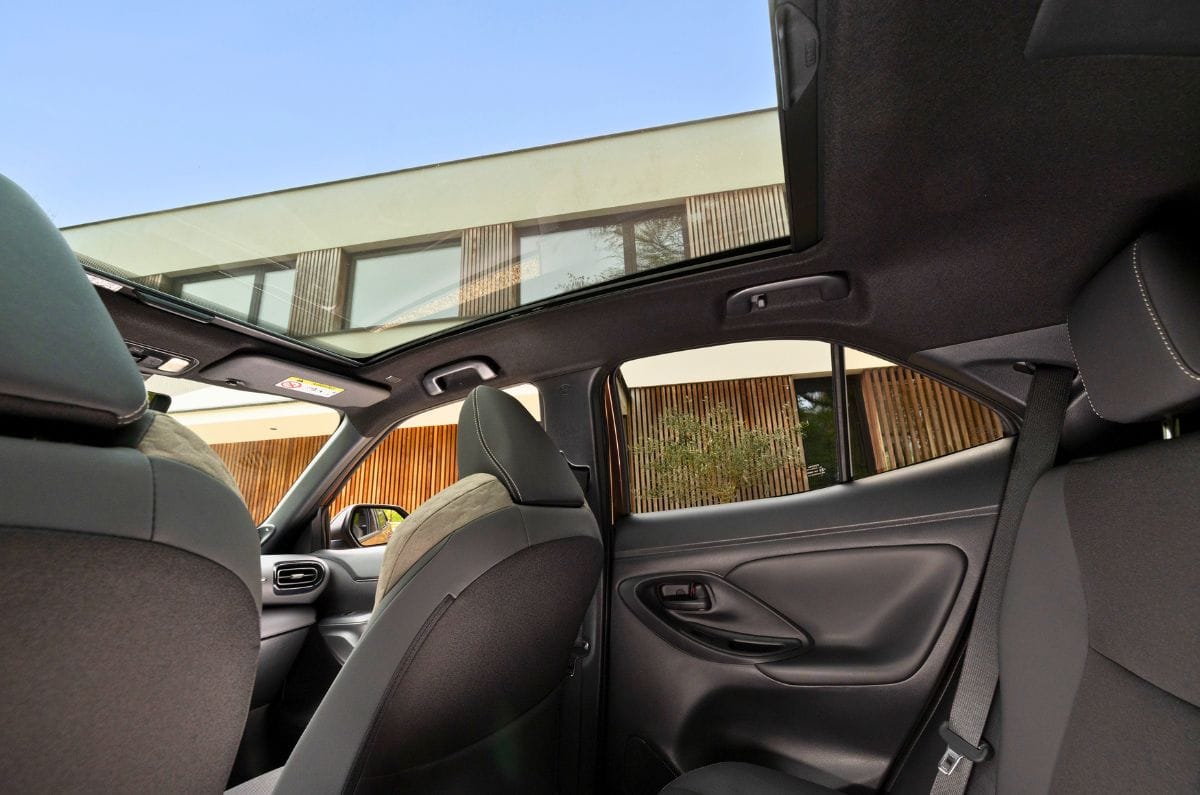
It’s built to be a practical city car. The high driving position gives you a great view out, making parking and tight streets easy. The back seat is fine for two adults or three kids, but it’s a squeeze for three grown-ups over a long trip. The boot is a highlight in FWD models, offering a generous 390 litres—that’s more than many competitors. Opt for AWD, and that drops to 320 litres because of the rear motor, which is a fair trade-off for extra traction. The boot floor is flat, and the rear seats split-fold 60/40. It’s a well-designed space for a weekly shop, a pram, or your gear.
At a Glance: How the Yaris Cross Stacks Up
| Spec | Toyota Yaris Cross | Mazda CX-3 | Hyundai Kona Hybrid | Kia Stonic |
|---|---|---|---|---|
| Starting price (AUD) | ~$32,000 | ~$34,000 | ~$36,000 | ~$25,000 |
| Powertrain | 1.5L hybrid | 2.0L petrol | 1.6L hybrid | 1.0L mild-hybrid |
| Power (max) | 130 PS | 110 kW | 104 kW | 85 kW |
| Fuel economy | 4.5 L/100km | 6.3 L/100km | 3.9 L/100km | ~5.4 L/100km |
| Boot (litres) | 390 | 264 | 407 | 350 |
| Drive options | FWD or AWD | FWD or AWD | FWD or AWD | FWD only |
| Safety rating | 5-star NCAP | 5-star NCAP | 5-star NCAP | 5-star NCAP |
Mazda CX-3
Sharper drive and premium cabin, but no hybrid and a tiny 264 L boot.
Hyundai Kona Hybrid
Slightly larger and most fuel-efficient on paper at 3.9 L/100km.
Kia Stonic
Cheapest in segment with a new 48 V mild-hybrid, but smaller boot and no AWD.
Toyota Yaris Cross Hyundai Kona Hybrid ——————————————- ~$32,000 ~$36,000 1.5L hybrid 1.6L hybrid 130 PS 104 kW 4.5 L/100km 3.9 L/100km 390 407 FWD or AWD FWD or AWD 5-star NCAP 5-star NCAP
Toyota Yaris Cross vs Mazda CX-3: Which Is Better?
Choosing between the Yaris Cross and the Mazda CX-3 comes down to what you value most. The Toyota is all about hybrid efficiency and practicality, while the Mazda focuses on driving feel and a premium cabin. Price-wise in Australia, the Yaris Cross starts lower at around AU$32,000, undercutting the base CX-3 by a couple of grand.
The powertrain difference is huge. The Yaris Cross’s hybrid system is a fuel-sipping champion, returning 4.5 L/100km. The CX-3’s 2.0-litre petrol is quicker—about two seconds faster to 100 km/h—but it uses 6.3 L/100km. For city driving, the Toyota’s silent electric mode and lower fuel bills are hard to argue with.
Inside, the Mazda has long been the benchmark for quality, with elegant design and lovely materials. The updated Yaris Cross has closed the gap with its new big screen and nicer upholstery options, but the CX-3’s cabin still feels more cohesive and upmarket. The Toyota fights back with a more user-friendly infotainment system and standard wireless smartphone integration.
On the road, they’re different animals. The CX-3 is genuinely fun, with sharp steering and a responsive chassis. The Yaris Cross is comfortable and easy, tuned for relaxation rather than excitement. Where the Toyota wins decisively is practicality. Its 390-litre boot smashes the CX-3’s 264 litres, making it a much better choice for families or carrying stuff.
Which one is better?
– **Buy the Toyota Yaris Cross if** you want ultra-low fuel costs, hybrid refinement, modern tech, and a bigger boot. – **Buy the Mazda CX-3 if** a premium interior, sharper handling, and quicker acceleration matter more to you. – **Our pick** is the Toyota Yaris Cross. Its mix of outstanding efficiency, practicality, and now greatly improved tech and looks makes it the smarter, more future-proof choice for most buyers in this class.
Safety, Warranty and Ownership
The Yaris Cross holds a 5-star ANCAP and Euro NCAP safety rating (from 2021), backed by a 5-star ASEAN NCAP rating in July 2025. Toyota Safety Sense is standard across the range. You get autonomous emergency braking (with pedestrian and cyclist detection), adaptive cruise control, lane-keeping assist, and emergency steering assist. Higher grades add a blind-spot monitor and rear cross-traffic alert. Ownership is covered by Toyota’s 5-year, unlimited-kilometre warranty in Australia. That extends to 10 years for the hybrid battery if you service it annually at a Toyota dealer. That’s serious peace of mind and helps its strong resale value.
Verdict: Should You Buy the 2026 Toyota Yaris Cross?
The 2026 update makes the Yaris Cross a more focused and appealing car. By going hybrid-only, it’s playing to its biggest strength: exceptional efficiency without needing a powerpoint. The changes fix its old weak spots—the design is sharper, the infotainment is way better, and it drives more smoothly. It’s not a thrilling car to drive, but it is an incredibly sensible one. For Aussie buyers wanting a compact crossover with minimal running costs, proven reliability, strong safety, and real-world practicality, the Yaris Cross is a top-shelf choice. It uses Toyota’s hybrid know-how to deliver a fuss-free, compelling ownership package.
Buy It If / Skip It If
Buy It If:
– You prioritise low fuel costs and efficient hybrid technology. – You want a compact crossover with a surprisingly large boot. – You value proven reliability and a strong warranty package. – You appreciate modern tech like wireless Apple CarPlay.
Skip It If:
– You seek a sporty, engaging driving experience. – You frequently need to carry three adults in the rear seat. – You prefer a cabin with consistently plush, soft-touch materials. – Maximum acceleration and power are high on your priority list.
Frequently Asked Questions
Is the 2026 Yaris Cross fully hybrid?
Yep, since January 2024, the Yaris Cross has been hybrid-only. There’s no pure petrol option anymore.
What’s the real-world fuel economy?
From our time with it, hitting the official 4.5 L/100km in the FWD model is very doable in mixed driving, especially around town where the hybrid system works best. The AWD is slightly thirstier but still excellent.
Toyota Yaris Cross vs Mazda CX-3 — which is better?
It depends. The Yaris Cross is the winner for fuel economy, boot space, and hybrid tech. The CX-3 has a nicer interior and feels sportier to drive. For most people, the Toyota’s practicality and lower costs give it the edge.
Is there an all-wheel drive option?
Yes, you can get the Hybrid 130 with an electronic on-demand AWD system. It uses a separate rear electric motor to give you extra grip when you need it.
How safe is the Yaris Cross?
It has a 5-star rating from both Euro NCAP and ANCAP. Standard safety gear is comprehensive, including adaptive cruise control and autonomous emergency braking.
What’s the warranty?
In Australia, you get a 5-year, unlimited-kilometre warranty. The hybrid battery is covered for up to 10 years with an annual service.
How much does the 2026 Yaris Cross cost?
Pricing kicks off at roughly AU$31,000 for the base Mid and climbs to about AU$45,000 for the top-spec GR Sport AWD, so it stays well under AU$50,000.
