

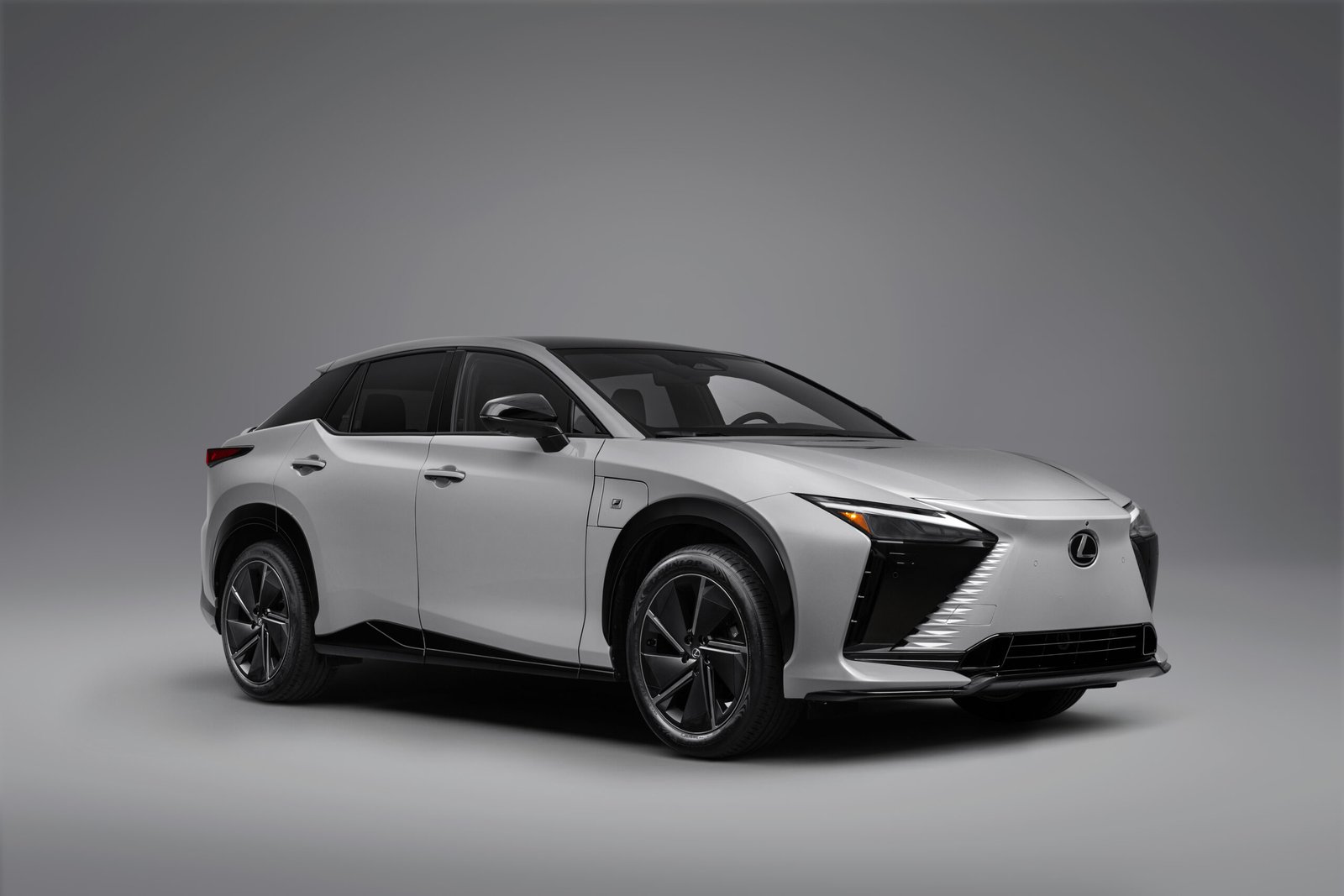
2026 Lexus RZ Review: Lexus’s Electric SUV Finally Gets Serious
A meaningful leap forward that still trails the segment leaders
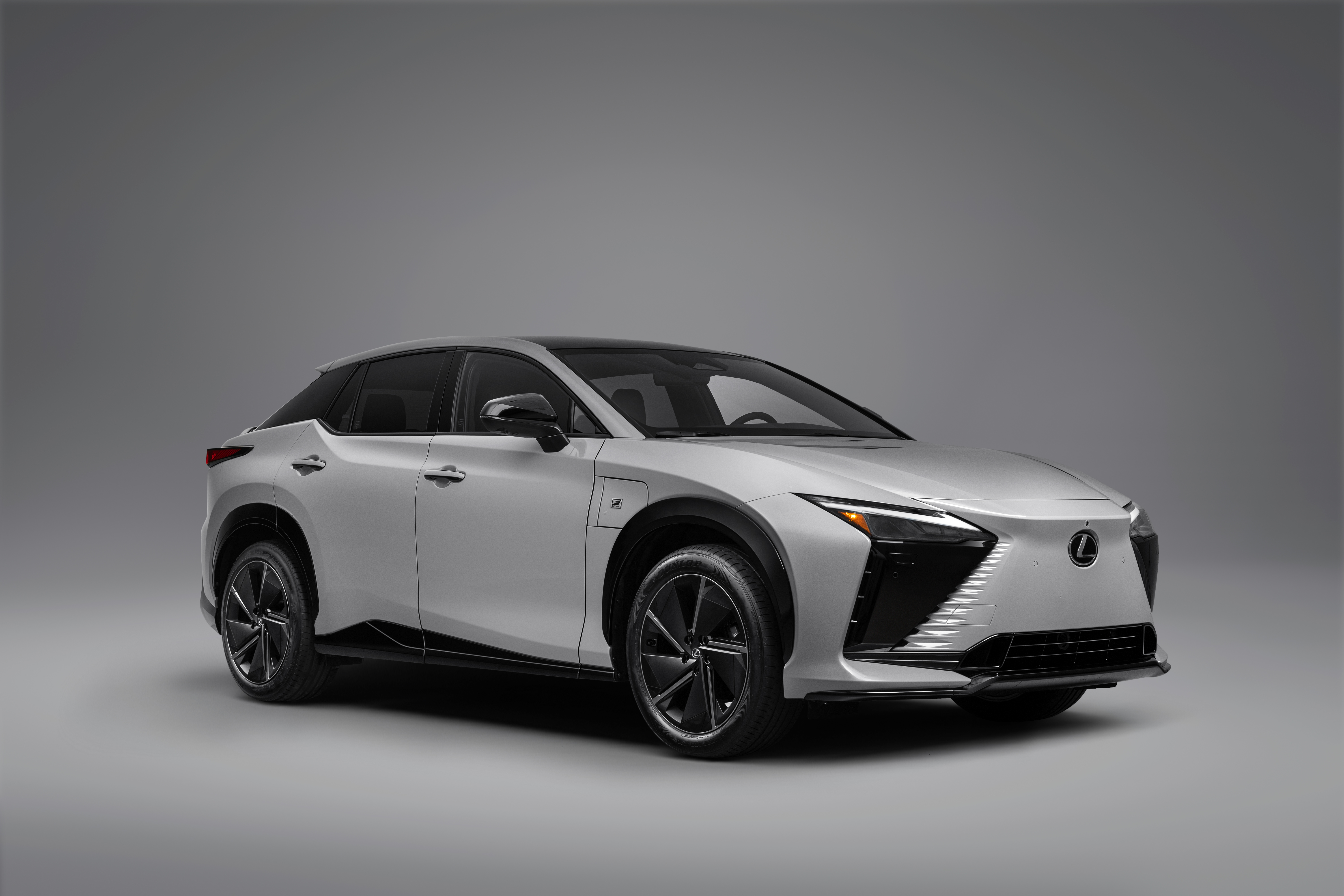
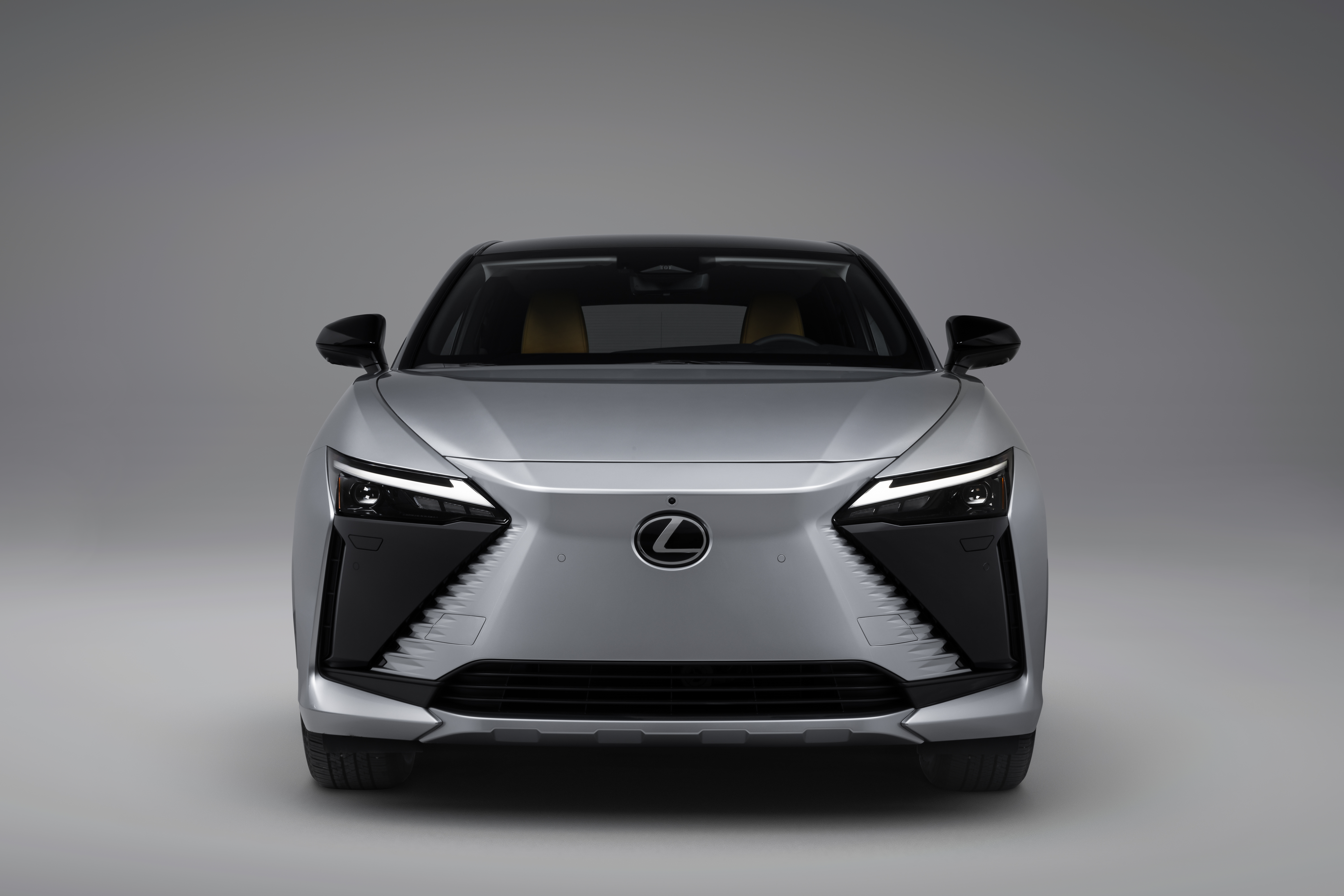
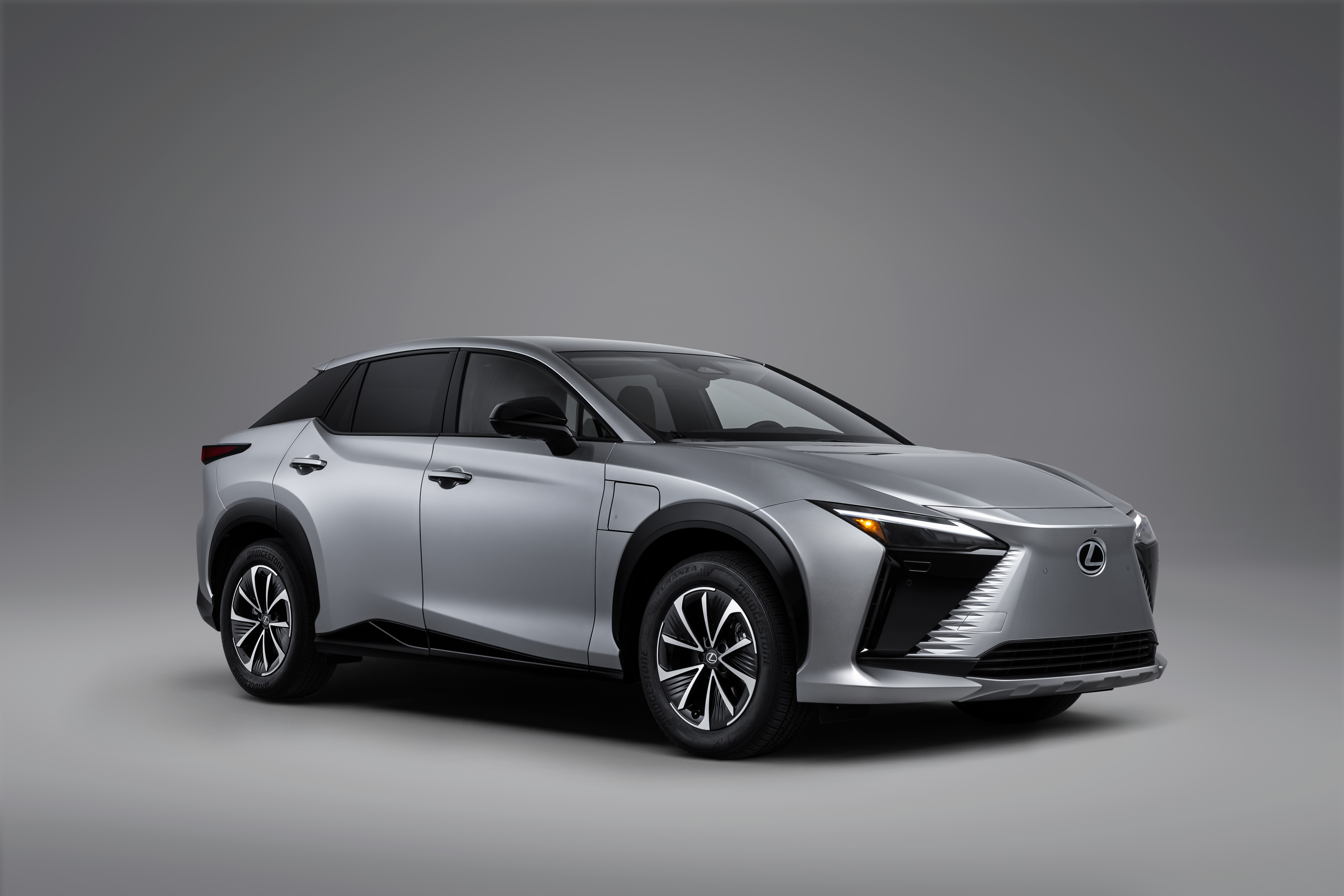
2026 Lexus RZ 550e F SPORT three-quarter exterior
Price
~$57,000
Power (hp)
308
⚡ Quick Verdict
The 2026 Lexus RZ addresses nearly everything that held the original back. Range is substantially better, the powertrains pack more punch, and NACS charging support makes the whole ownership proposition far more practical. It finally drives like the premium Lexus product it should’ve been from the start. A 400-volt architecture and 150 kW peak charging do hold it back against 800-volt rivals on longer journeys, though. If you prioritise cabin refinement and Lexus dependability over chasing the fastest charging speeds, it’s now a genuinely compelling electric SUV.
—

## Introduction
✓ The Good
- +Dramatically improved range up to 302 miles EPA
- +Whisper-quiet, supremely refined Lexus cabin experience
- +NACS charging port and faster 11 kW onboard charger
- +Three-trim lineup offers genuine choice for buyers
- +Steer-by-wire with 200° lock-to-lock is genuinely innovative
✗ The Trade-offs
- −400V architecture limits DC fast charge speeds
- −550e’s 228-mile range undercuts its performance appeal
- −Infotainment system trails best-in-class rivals
- −Steer-by-wire yoke polarizing and requires acclimation
📑 In This Review
The 2026 Lexus RZ addresses nearly everything that held the original back. Range is substantially better, the powertrains pack more punch, and NACS charging support makes the whole ownership proposition far more practical. It finally drives like the premium Lexus product it should’ve been from the start. A 400-volt architecture and 150 kW peak charging do hold it back against 800-volt rivals on longer journeys, though. If you prioritise cabin refinement and Lexus dependability over chasing the fastest charging speeds, it’s now a genuinely compelling electric SUV. — 
Introduction
When Lexus launched the original RZ 450e in 2023, the anticipation was immense. Toyota’s luxury division — a name built on meticulous engineering and bulletproof long-term ownership — was finally committing to a purpose-built EV. The reality fell short, though. The car arrived trailing the competition in nearly every measurable area: range, charging speed, interior tech, overall desirability. It was competent, sure, but it lacked spark. And the market noticed.
Two years on, Lexus has returned with a heavily reworked 2026 RZ. The scale of the changes tells you the team understood exactly where things went wrong. Bigger battery, more powerful motors, a meaningful jump in range, and a NACS charging port for straightforward Supercharger access. The lineup’s grown to three distinct trims, there’s a new steer-by-wire system with an optional yoke, and a performance-focused F SPORT variant signals that Lexus is now willing to make its EVs genuinely exciting.
The question isn’t whether the 2026 RZ is better than the old one — it obviously is. What we needed to find out is whether Lexus has closed the gap with rivals like the BMW iX3, Genesis GV60, Tesla Model Y, and Polestar 4, all of which have been evolving fast over the same period.
We spent a week with the RZ across a mix of conditions: urban commuting, highway cruising, and cold-weather driving. What we found was a luxury electric SUV that’s genuinely pleasant to live with, wrapped in the kind of cabin refinement that only Lexus seems able to deliver at this price point. There are still areas where it’s playing catch-up rather than leading, though. Here’s our full take.
—
What’s New for 2026
The bulk of the 2026 RZ’s changes sit where they matter most: under the skin. Lexus has fitted a new lithium-ion battery across the range — a 74.7 kWh unit for the 350e and 450e, and a larger 77.0 kWh performance-tuned pack for the 550e F SPORT. They replace the original battery and bring real gains in energy density and thermal management. A redesigned eAxle motor pairs with the updated battery to deliver more power and better efficiency at the same time.
The lineup structure has been overhauled. Where the original RZ was a single-model proposition, the 2026 version offers three trims: the front-drive RZ 350e for efficiency-minded buyers, the all-wheel-drive RZ 450e as the volume seller, and the range-topping RZ 550e F SPORT for those chasing performance alongside their luxury. Each step up the range brings more power, different drive configurations, and escalating equipment levels.
Charging gets a substantial upgrade. The RZ now wears a NACS (SAE J3400) port on its passenger side, which means access to Tesla’s Supercharger network without needing an adapter. The onboard AC charger has been bumped from 7 kW to 11 kW, cutting overnight charging times noticeably. On the DC side, peak charging remains around 150 kW on the car’s 400-volt architecture. That’s something we’ll come back to.
The most interesting addition might be the steer-by-wire system. It does away with the physical steering column in favour of fully electric signal transmission. Cars fitted with this setup use a compact yoke instead of a traditional wheel, with a 200-degree lock-to-lock ratio that makes hand-over-hand manoeuvring largely unnecessary. The 550e F SPORT also introduces M mode, a simulated manual-shift experience via paddle shifters that mimics the feel of a conventional gearbox. It’s a first for Lexus, and a nod to the kind of experiential driving that Hyundai’s Ioniq 5 N has popularised.
—

Powertrain and Performance
The three-trim approach gives buyers a clear performance ladder. At the base, the RZ 350e uses a single front-mounted electric motor producing 221 horsepower, paired with the 74.7 kWh battery and front-wheel drive. It’s aimed at buyers who value range and value over outright acceleration, and with a projected 0-60 mph time in the low seven-second range, it’s perfectly adequate for daily duties without ever feeling sluggish.
Step up to the RZ 450e and you get dual motors, all-wheel drive, and 308 combined horsepower. This’ll likely be the sweet spot for most buyers. That additional rear motor shifts the RZ’s character from merely competent to genuinely confident, with stronger mid-range shove and better traction when conditions deteriorate. During our testing, the 450e felt brisk without being aggressive — exactly the kind of effortless thrust that suits a luxury SUV.
The RZ 550e F SPORT tops the range with 402 combined horsepower and a 77.0 kWh performance-tuned battery. It’s the quickest RZ by a comfortable margin, with a 0-60 mph time that should dip well under five seconds. Its party piece, though, is M mode — Lexus’s first crack at a simulated manual transmission for an EV. Hit the button on the console and you can use steering-wheel-mounted paddle shifters to "shift" through virtual gears, with synthesised sound cues rising and falling with each change. It’s an unabashed novelty, and opinions will be split.
During our time with M mode, we found it entertaining in short bursts but ultimately a gimmick most owners will try once and largely forget. There’s no physical clutch, no genuine mechanical feedback. Just software mimicking what a gearbox does. That said, it’s a first-generation system and there’s scope for Lexus to refine it into something more convincing. What’s beyond debate is the 550e’s straight-line performance: 402 horsepower in a refined Lexus SUV is a genuinely satisfying combination for highway merges and overtaking manoeuvres.
All three trims deliver power with the smoothness you’d expect from Lexus. There’s no jarring throttle tip-in, no uncanny valley torque delivery. The calibration feels natural and progressive, which is more than some competitors manage.
—
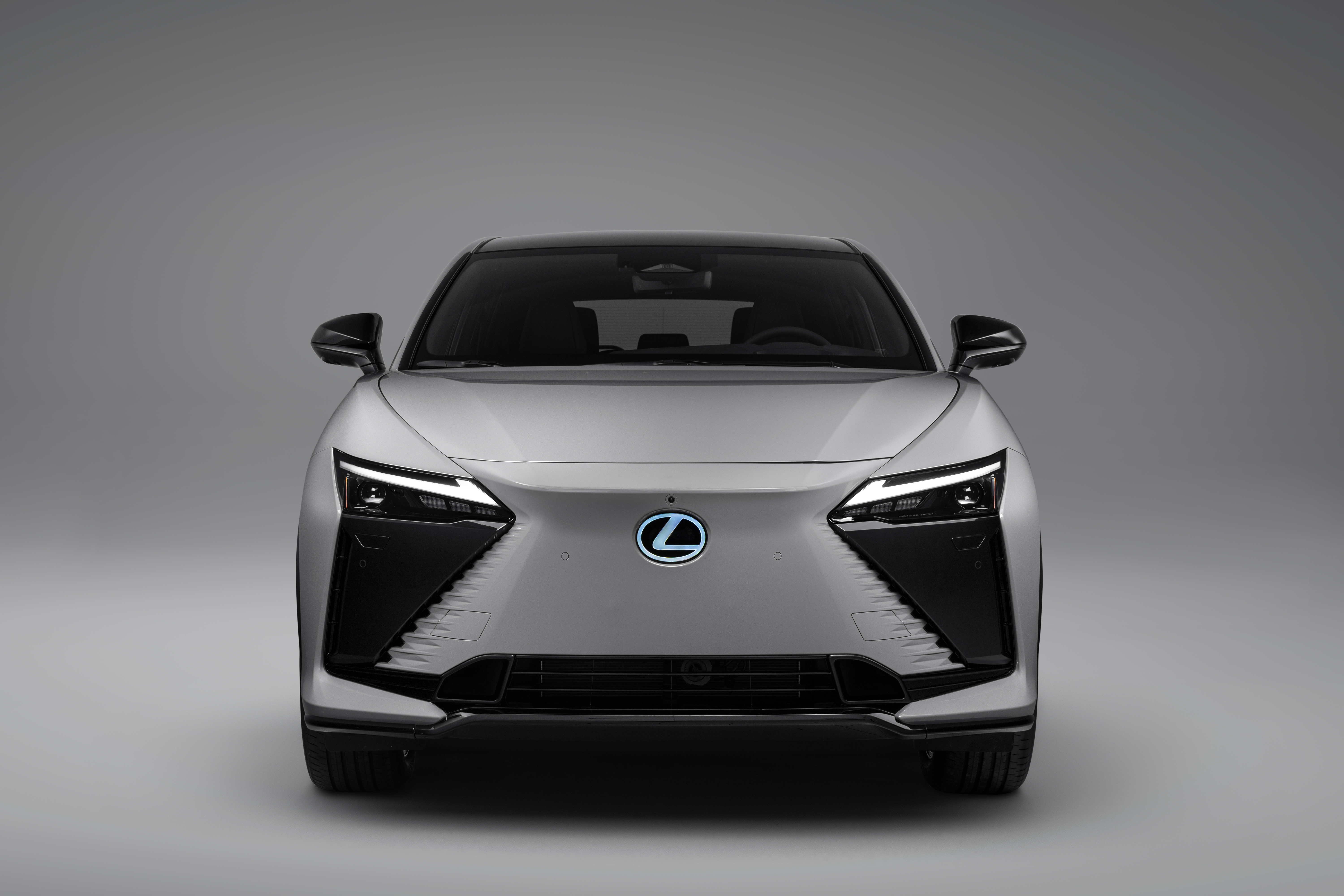
Range and Charging
Range is where the 2026 RZ makes its most significant leap over the original. The EPA figures tell the story: the RZ 350e leads the lineup at 302 miles on a full charge, the 450e delivers 261 miles, and the 550e F SPORT manages 228 miles. Compared to the original RZ 450e’s roughly 220-mile rating, the jump to 261 miles is substantial. It’s the difference between a car you worry about and a car you simply drive.
In real-world conditions, particularly when it’s cold, those EPA figures will shrink. We observed roughly 15 to 20 percent range reduction in near-freezing temperatures, which is fairly typical for modern EVs running heat pump systems. That puts realistic winter range at approximately 240 miles for the 350e, 210 miles for the 450e, and around 185 miles for the 550e. That last figure is the one that gives us pause. For a vehicle positioned as a premium performance SUV at roughly $66,000, a sub-200-mile winter range is a tough sell for anyone planning to use it as their primary car.
Charging hardware is a mixed bag. The NACS port is a smart, forward-looking move that opens up Tesla’s extensive Supercharger network without faffing around with adapters. DC fast charging at a peak of approximately 150 kW delivers a 10-to-80-percent charge in roughly 30 minutes — acceptable, and competitive enough, but not class-leading. The RZ’s 400-volt electrical architecture fundamentally caps its peak charging speed. Rivals like the BMW iX3, Genesis GV60, and Polestar 4 run 800-volt systems capable of accepting charge at significantly higher rates.
The upgraded 11 kW onboard AC charger is a welcome improvement over the previous 7 kW unit. On a Level 2 home wallbox, a full charge from empty takes roughly seven hours — easily achievable overnight. Few owners will regularly drain the battery to zero, so in practice, typical home charging sessions will be considerably shorter.
—
Interior, Tech and the Steering Yoke
This is traditionally where Lexus plays its strongest hand, and the 2026 RZ’s cabin doesn’t disappoint. The interior design is clean, modern, and unmistakably Lexus, with soft-touch materials covering nearly every surface the driver or passengers are likely to touch. New for 2026, the door panels feature laser-processed graphics on sustainable Ultrasuede — a subtle detail that adds visual depth without tipping into gimmickry. Multi-colour ambient lighting lets occupants set the cabin mood, and the overall sense of material quality sits a cut above what you’ll find in a Tesla Model Y or Polestar 4.
The Dynamic Sky panoramic glass roof deserves a mention. This electrochromic panel switches between transparent and opaque states at the press of a button, giving you on-demand shade without a physical sunblind. For 2026, Lexus has improved the opacity range, allowing deeper tinting in bright conditions. It’s one of those features that sounds like a novelty but quickly becomes something you’d miss. No more fumbling with flimsy sunroof covers or dealing with solar heat buildup on long summer drives.
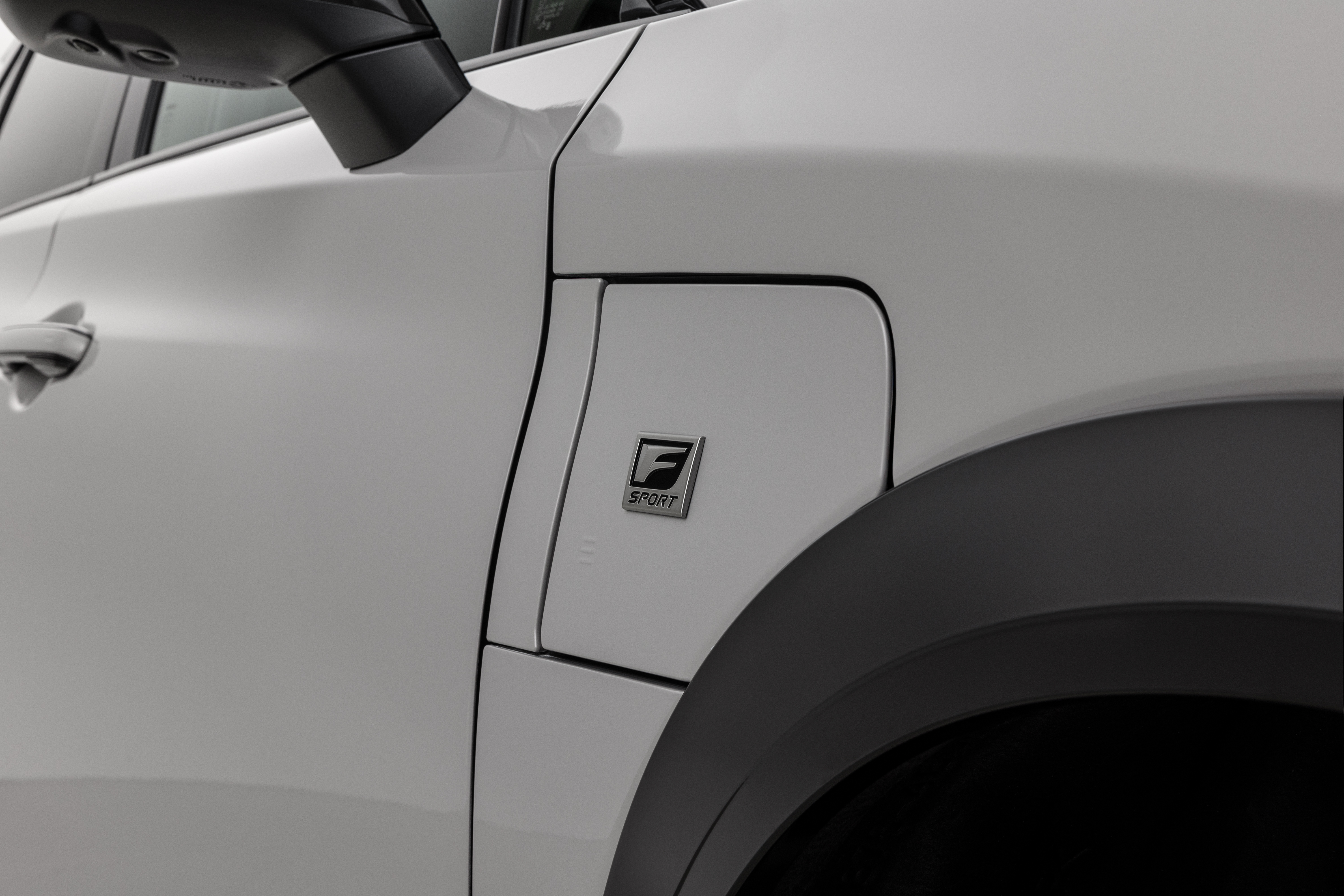
The RZ 550e F SPORT gets exclusive interior appointments including Ultrasuede upholstery with contrasting blue stitching, aluminium sport pedals, an aluminium footrest, and prominent F SPORT badging throughout. It’s a sportier environment than the standard RZ, though Lexus stops well short of the aggressive, hard-edged treatment you’d find in a BMW M or Mercedes-AMG product. The effect is more luxury lounge with a hint of attitude than a focused driver’s cockpit, and that suits the RZ’s personality well.
The centrepiece technology is the steer-by-wire system, available on equipped trims. It replaces the traditional steering wheel with a compact yoke and eliminates any physical connection between the steering input and the front wheels. The 200-degree lock-to-lock ratio means a slight wrist movement gets you through tight parking manoeuvres that’d normally require crossed arms. We found the system remarkably intuitive after an initial adjustment period of roughly 30 minutes. The lack of a mechanical connection does mean steering feel is entirely synthesised — Lexus engineers have programmed in various feedback levels, but purists will notice the absence of genuine road texture. The benefit, beyond the novelty, is genuinely improved legroom and a clearer view of the instrument cluster. It’s polarising, but it works better than you might expect.
The infotainment system runs Lexus’s latest software on a central touchscreen display. It’s competent — responsive enough, logically laid out — but it doesn’t have the polish or feature depth of BMW’s iDrive or the app ecosystem you get with Tesla’s setup. Wireless Apple CarPlay and Android Auto are standard, which covers the most critical functionality for most buyers. We’d still like to see Lexus invest more heavily in native software, though. The gap between "good enough" and "best in class" is noticeable.
—
On the Road
On the move, the 2026 RZ behaves exactly as a Lexus should. It’s quiet, composed, and deeply unbothered by whatever the road surface throws at it. Cabin noise levels are impressively low, with wind and road noise suppressed to a degree that makes highway cruising genuinely relaxing. The suspension tuning strikes a well-judged balance between comfort and control — it absorbs potholes and expansion joints without transmitting harsh impacts to the cabin, yet it doesn’t float or wallow through sweeping bends.
The steering, particularly with the steer-by-wire system, is precise but deliberately light. Lexus has calibrated it for ease of use rather than communicative feedback, which suits the RZ’s character perfectly. This isn’t a car that begs to be flogged through mountain passes. It’s a car that wants to get you to your destination feeling calmer than when you left. Ride quality remained consistently composed regardless of speed during our testing, and the transition between regenerative and friction braking is nearly imperceptible.
The 550e F SPORT tries to inject some excitement into the recipe. Its 402-horsepower output delivers more urgent acceleration, and the chassis tuning is marginally firmer than the 450e’s. But even in the F SPORT, the RZ never fully commits to a sporty character. It’s quick, but it doesn’t feel fast in the visceral, heart-rate-elevating way that a Genesis GV60 Performance or BMW iX M60 does. Lexus has chosen refinement over thrills, and for the vast majority of luxury EV buyers, that’s the right call.
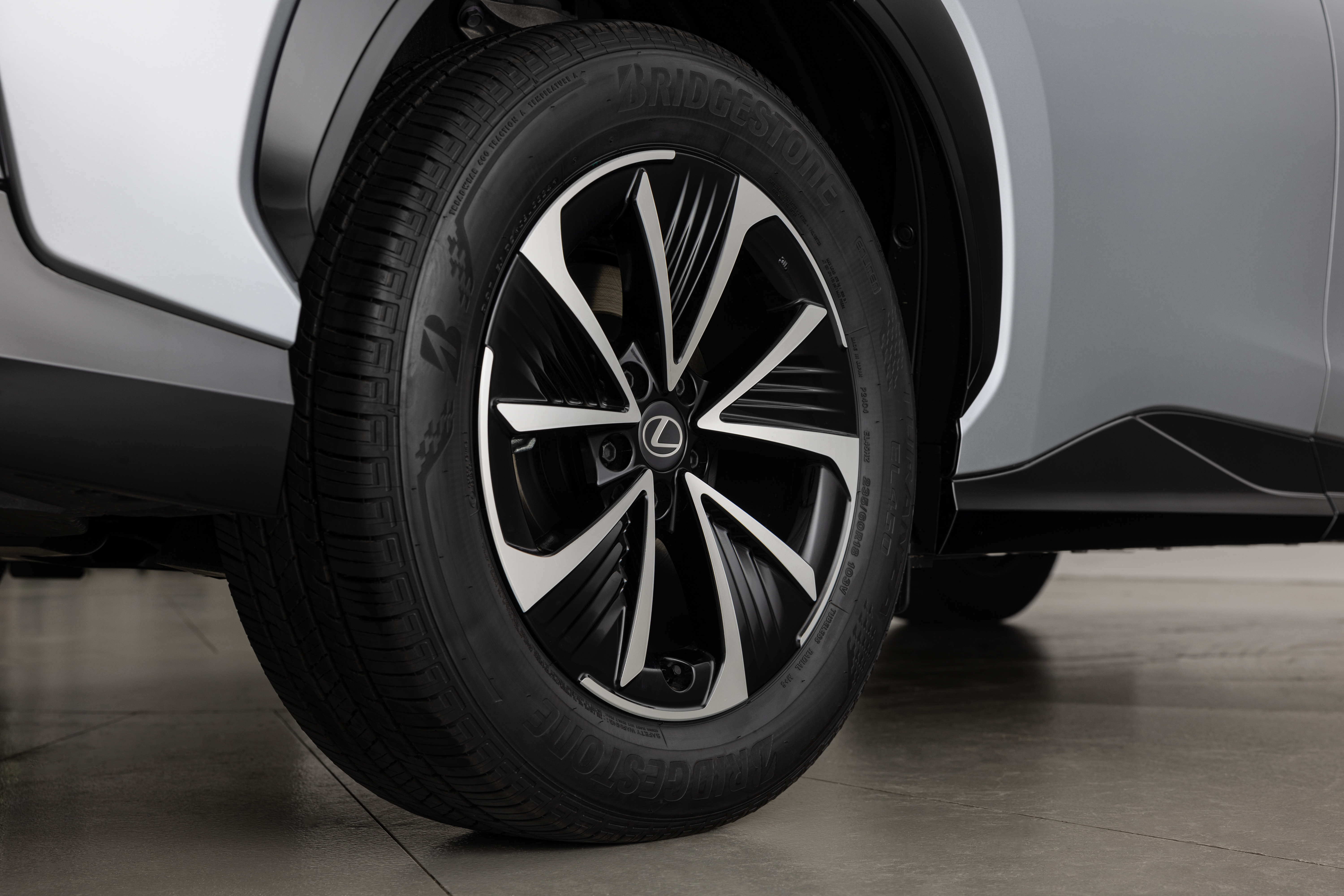
Ride quality on the 20-inch wheels fitted to the 550e is slightly firmer than the 18-inch setup on the 350e and 450e, but the difference is marginal. All three trims deliver a supple, premium ride that reinforces the Lexus brand promise.
—


At a Glance — How It Stacks Up
| Spec | Lexus RZ 450e | BMW iX3 | Tesla Model Y | Genesis GV60 | Polestar 4 |
|---|---|---|---|---|---|
| Starting Price (USD) | ~$57,000 | ~$63,000 | ~$50,000 | ~$58,000 | ~$56,000 |
| Power (hp) | 308 | ~400 | ~340 | 314 | ~400 |
| 0-60 mph (sec) | ~5.2 | ~4.5 | ~4.8 | ~5.0 | ~4.5 |
| EV Range (mi) | 261 | ~350 (est.) | 320 | 294 | ~300 |
| DC Charge Peak | 150 kW | 400 kW | 250 kW | 240 kW | 200 kW |
| Drive | AWD | AWD | AWD | AWD | AWD |
| Highlight | Lexus refinement | 800V architecture | Supercharger network | 800V + design | No rear window |
BMW iX3
Closest direct rival — 800V Neue Klasse with up to 400 kW DC fast charging.
Tesla Model Y
Cheaper and longer range, but cabin lacks the RZ’s warmth.
Genesis GV60
800V architecture, playful chassis, sharper design.
Polestar 4
Striking design and 800V charging, no rear window though.
The 2026 Lexus RZ enters a field that’s moving fast. Its most direct rivals include the BMW iX3, Tesla Model Y, Genesis GV60, and Polestar 4, each offering a different take on the luxury electric SUV formula. The RZ’s strongest cards are its refined driving experience, Lexus build quality, and a competitive EPA range that finally puts it in the conversation. Where it falls short is on the specification sheet. A 400-volt architecture and 150 kW peak charging are adequate but not standout in an 800-volt world. Pricing at the volume 450e level is reasonable, but the 550e F SPORT pushes into territory where its range limitations become harder to justify. Here’s how the numbers stack up, using the volume-selling RZ 450e as our reference. Lexus RZ 450e Tesla Model Y Polestar 4 ——— ~$57,000 ~$50,000 ~$56,000 Power (hp) ~400 314 ~5.2 ~4.8 ~4.5 EV Range (mi) ~350 (est.) 294 150 kW 250 kW 200 kW Drive AWD AWD Lexus refinement Supercharger network No rear window | —
2026 Lexus RZ vs BMW iX3: Which Is Better?
Of all the RZ’s competitors, none is a more direct rival than the 2026 BMW iX3. Both sit in the same premium compact-to-midsize electric SUV segment, both come from established luxury brands with global reach, and both have been substantially reworked for the 2026 model year. The iX3 moves to BMW’s all-new Neue Klasse platform while the RZ gets its thorough mid-cycle overhaul. If you’re cross-shopping in this space, these two are almost certainly on the same shortlist.
On pricing, the Lexus RZ 450e starts at approximately $57,000 — comfortably below the BMW iX3’s estimated $63,000 entry point. That’s a $6,000 advantage for the Lexus, and it becomes even more significant when you consider the RZ 450e is already an all-wheel-drive vehicle from the factory. For budget-conscious luxury buyers making the switch to electric, the RZ offers a noticeably lower barrier to entry without sacrificing core premium appointments.
Performance is where the iX3 pulls ahead. BMW’s Neue Klasse architecture delivers approximately 400 horsepower against the RZ 450e’s 308, resulting in a 0-60 mph time of roughly 4.5 seconds versus the Lexus’s estimated 5.2. The iX3 simply feels quicker and more responsive when you’re driving with intent, with a more naturally athletic chassis that BMW has refined over decades of sport sedan work. If acceleration and dynamic engagement matter to you, the iX3 has a clear, measurable advantage.
The most significant technical divide is charging architecture. The BMW iX3 runs on an 800-volt platform capable of accepting DC fast charge at rates up to 400 kW — nearly three times the RZ’s 150 kW peak on its 400-volt system. In practical terms, the iX3 can add substantial range in 10 to 15 minutes at an appropriate high-power charger, while the RZ needs roughly 30 minutes to reach 80 percent from 10. For anyone who regularly covers long highway distances, this isn’t a trivial difference. It fundamentally changes how you plan road trips, and it’s the RZ’s single biggest competitive weakness.
Range tells a similar story. The iX3 is estimated to deliver around 350 miles on the EPA cycle from its larger Neue Klasse battery — substantially more than the RZ 450e’s 261 miles. Even allowing for real-world variability and cold-weather degradation, the iX3 offers meaningfully more range, giving you a bigger buffer for unplanned detours, highway speeds, and winter conditions. The RZ’s range works fine for daily use and moderate road trips, but the iX3 gives you considerably more confidence on longer journeys.
Inside, the two cars take very different approaches. The Lexus RZ’s cabin is warmer, more organic, and arguably more luxurious to the touch. The Ultrasuede panels, the Dynamic Sky roof, and the overall sense of handcrafted quality create an environment that feels distinctly Japanese in its attention to material subtlety. The BMW iX3, by contrast, leans more technology-forward — its iDrive system is more feature-rich, the digital displays are more configurable, and the overall tech experience is more polished. Neither approach is inherently better; they reflect different philosophies about what a luxury interior should be. We found the Lexus more soothing and the BMW more stimulating — a distinction that’ll resonate differently depending on what you value.
On the road, the RZ leans harder into comfort and isolation. It’s quieter, more supple, and more relaxed in its demeanour. The iX3 is more engaging to drive, with sharper steering response and a more communicative chassis, but it trades some of that Lexus serenity for driver involvement. If arriving at your destination feeling pampered matters most, go the RZ. Want to enjoy the drive itself? The iX3 has the edge.
| Spec | Lexus RZ 450e | BMW iX3 50 xDrive |
|---|---|---|
| Starting Price (USD) | ~$57,000 | ~$63,000 |
| Power (hp) | 308 | ~400 |
| 0-60 mph (sec) | ~5.2 | ~4.5 |
| EV Range (mi, EPA est.) | 261 | ~350 |
| DC Charge Peak | 150 kW | 400 kW |
| Architecture | 400V | 800V |
| Drive | AWD | AWD |
| Battery (kWh) | 74.7 | ~80 (est.) |
| Highlight | Lexus refinement | 800V + Neue Klasse |
WHICH_ONE_IS_BETTER_CALLOUT
Buy the Lexus RZ if you value cabin refinement, lower entry pricing, Lexus reliability credentials, and a driving experience that prioritises serenity over sportiness.
Buy the BMW iX3 if you want superior range, dramatically faster charging, more engaging driving dynamics, and are willing to pay a premium for genuinely next-generation EV architecture.
Our pick: The BMW iX3 edges the RZ as the more future-proof and technically capable electric SUV. Its 800-volt architecture, longer range, and stronger performance give it a tangible advantage that’s hard to ignore. If Lexus refinement and a lower cost of entry matter more to you, though, the RZ 450e makes a strong case as the more livable daily companion.
—
Safety and Warranty
The 2026 Lexus RZ carries over its five-star Euro NCAP rating, with scores of 87 percent for adult occupant protection, 87 percent for child occupant protection, 84 percent for vulnerable road users, and 81 percent for safety assist. The original RZ was the first vehicle to earn Euro NCAP’s reward for Child Presence Detection under the 2023 testing protocol — a system designed to alert the driver if a child or pet is left in the vehicle after it’s been locked. It’s the kind of feature we’d like to see become standard across the industry.
Standard safety equipment includes nine airbags, autonomous emergency braking covering vehicles, pedestrians, cyclists, junction scenarios, and backover situations, emergency lane keeping, lane departure warning, and a full suite of driver-assistance features. In our testing, the adaptive cruise control and lane-centring systems worked smoothly and unobtrusively — exactly the kind of quiet competence you’d expect from a Lexus.
Lexus backs the RZ with a warranty package that leads the segment for EV battery coverage. The basic warranty runs four years or 50,000 miles, with a six-year/70,000-mile powertrain warranty. The EV battery gets a 10-year/150,000-mile warranty, subject to annual inspections. That battery warranty is a significant confidence builder for buyers on the fence about long-term EV ownership, and it’s notably more generous than what most European competitors offer. It’s one of the strongest arguments for choosing a Lexus EV over a rival — peace of mind is hard to put a price on.
—
Who Should Buy the 2026 Lexus RZ
The ideal RZ buyer is someone who’s been loyal to the Lexus brand — or who values what Lexus is known for — and wants to go electric without giving up the comfort, reliability, and the understated luxury they’ve come to expect. This is a car for the person who cares more about how a vehicle makes them feel than how fast it charges or how many horsepower sit under the bonnet. If your daily commute is under 60 miles and you’ve got reliable home charging, the RZ 450e is an exceptionally comfortable and competent companion.
Buy the RZ if you want a luxury EV that doesn’t shout about its electric credentials, if you prefer a serene cabin to a tech-forward cockpit, or if the Lexus dealer experience and long-term warranty give you peace of mind that no startup brand can match.
Skip the RZ if you’re a frequent road-tripper who needs maximum range and the fastest charging speeds, if advanced infotainment and a rich app ecosystem are priorities, or if you want a sportier, more engaging driving experience. In those cases, the BMW iX3, Tesla Model Y, or Genesis GV60 will likely serve you better.
—

⚡ Our Verdict
A meaningful leap forward that still trails the segment leaders
The 2026 Lexus RZ is proof that Lexus was listening. The original felt like a car designed to meet a minimum threshold rather than to genuinely compete at the top of the luxury EV segment. This refreshed version is a different proposition entirely — the range is usefully longer, charging is more practical, the powertrain is more refined, and the expanded lineup gives buyers real choices instead of a single compromise. It’s the car the RZ should’ve been from the start. At 7.6 out of 10, the RZ earns a strong recommendation, but not an unqualified one. The 400-volt architecture and relatively modest 150 kW charging speeds remain a structural disadvantage in a segment that’s rapidly moving to 800 volts. The infotainment is adequate but not exceptional. And the 550e F SPORT, while entertaining, is a niche proposition that’s hard to justify given its range limitations and premium pricing. These are real gaps, and they’re the reason the RZ doesn’t crack the 8.0 threshold. For buyers who prioritise the qualities Lexus has always excelled at — build quality, ride comfort, cabin refinement, and long-term dependability — the 2026 RZ finally delivers those virtues in an electric package that no longer requires apology. It’s not the best electric SUV on paper, but it might be the most pleasant one to live with day in, day out. And for a certain kind of buyer, that matters more than any spec sheet ever could. —
Frequently Asked Questions
How much does the 2026 Lexus RZ cost?
The 2026 Lexus RZ starts at approximately $50,000 for the RZ 350e, climbing to around $57,000 for the RZ 450e and roughly $66,000 for the range-topping RZ 550e F SPORT. Pricing is competitive against other premium electric SUVs in its class, undercutting the BMW iX3 while sitting alongside the Genesis GV60.
What is the range of the 2026 Lexus RZ?
EPA-estimated range depends on trim: the RZ 350e achieves 302 miles, the RZ 450e delivers 261 miles, and the RZ 550e F SPORT manages 228 miles. In cold-weather real-world driving, expect roughly 15 to 20 percent less than those published figures.
Does the 2026 Lexus RZ have a steering yoke?
Yes. The 2026 RZ is available with Lexus’s first fully electric steer-by-wire system, which pairs a compact steering yoke with a 200-degree lock-to-lock ratio. It replaces the traditional steering wheel on equipped models and eliminates any physical mechanical connection between the steering input and the front wheels. You’ll need roughly 30 minutes of adjustment time before it starts to feel natural.
How fast does the 2026 Lexus RZ charge?
DC fast charging peaks at approximately 150 kW, delivering a 10-to-80-percent charge in roughly 30 minutes via the new NACS (SAE J3400) port. On Level 2 AC, the upgraded 11 kW onboard charger can replenish the battery from empty to full in approximately seven hours.
How does the Lexus RZ compare to the BMW iX3?
The Lexus RZ 450e costs less at roughly $57,000 versus the iX3’s estimated $63,000, and it delivers a more refined, comfort-oriented driving experience. The BMW iX3 fights back with a more powerful drivetrain, substantially longer range, and an 800-volt architecture that enables up to 400 kW DC fast charging — nearly three times the RZ’s peak rate. The iX3 is the more technically advanced vehicle; the RZ is the more relaxing one.
Is the Lexus RZ available with all-wheel drive?
Yes. The RZ 450e and RZ 550e F SPORT both feature dual-motor all-wheel drive. The base RZ 350e uses a single front motor with front-wheel drive only. All three trims are available in the United States for the 2026 model year.
What is the warranty on the 2026 Lexus RZ battery?
Lexus provides a 10-year/150,000-mile warranty on the RZ’s EV battery, subject to annual inspections. This sits alongside a four-year/50,000-mile basic warranty and a six-year/70,000-mile powertrain warranty. The battery warranty is among the most generous in the luxury EV segment.
